RE-PEAT: Growing a Youth Movement for Peatlands
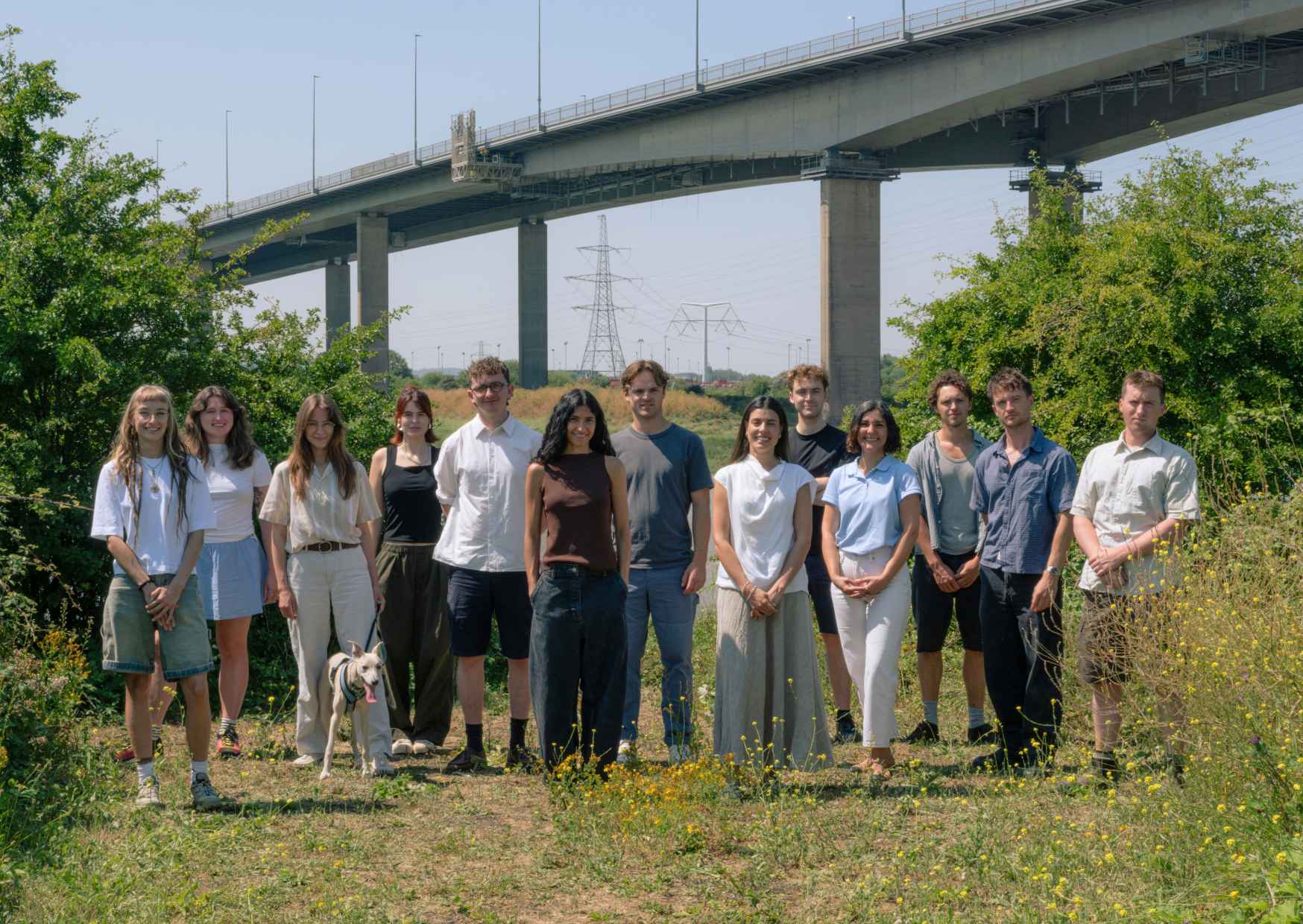
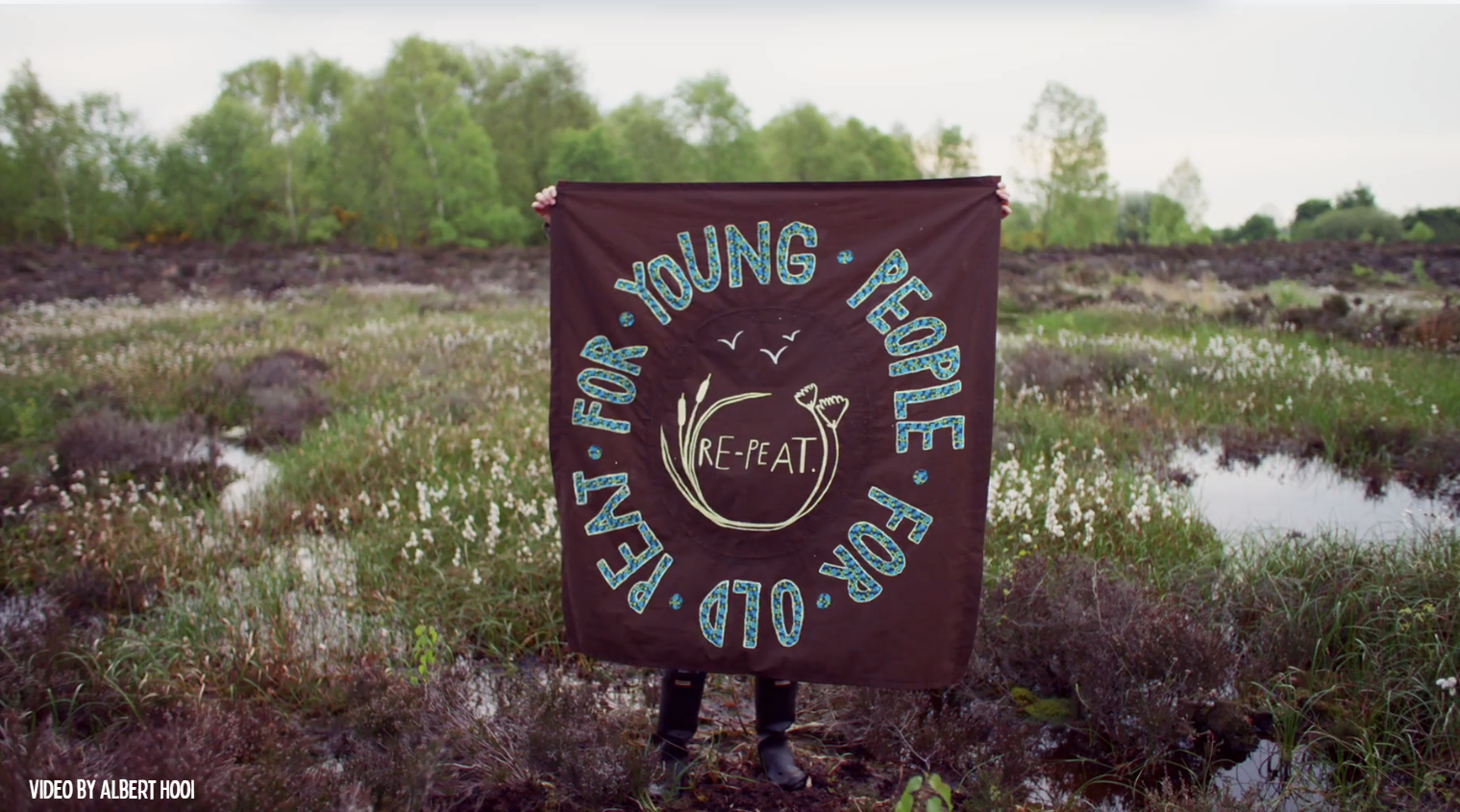
At Ponda, we have long admired the energy, creativity and determination behind RE-PEAT’s work. Their commitment to championing peatlands and the communities who depend on them - feels both urgent and deeply inspiring. RE-PEAT is a youth-led collective working across Europe, using creative advocacy to give peatlands the attention they deserve. Bringing together voices from art, science and activism, its members are united by a shared love for these vital ecosystems and a fierce commitment to protecting them.
Youth-led activism is essential in responding to the climate crisis, and it is always energising to connect with others who care about wetlands as deeply as we do. Over the coming months, we’ll be collaborating with RE-PEAT on a number of projects, but first, we wanted to introduce their brilliant team to the Ponda community. We’re delighted to sit down with them to explore how RE-PEAT began, the role of art in activism, and why peatlands deserve a much louder voice in the climate conversation.
To begin, could you share the story of how RE-PEAT first came to life? Where did the idea spark from, and how did it grow into what it is today? What are your best achievements in this time period?
Looking back now, it’s clear that September 2019 is a sort of BP and AP situation for a few of us: before peatlands and after peatlands. It was at this time that Bethany and Frankie were in Germany for a climate camp, which was set up to protest against a big chemical fertilizer company. They ended up spontaneously joining a peatland excursion and finding out about how vital peatlands are for the climate. On the bus ride home totally transfixed in this new mission, the name “re-peat” jokingly emerged. Since then, more and more people “re-peated” this moment of BP/AP, and so we formed a collective with many time-travelling multi-perspective starting points.
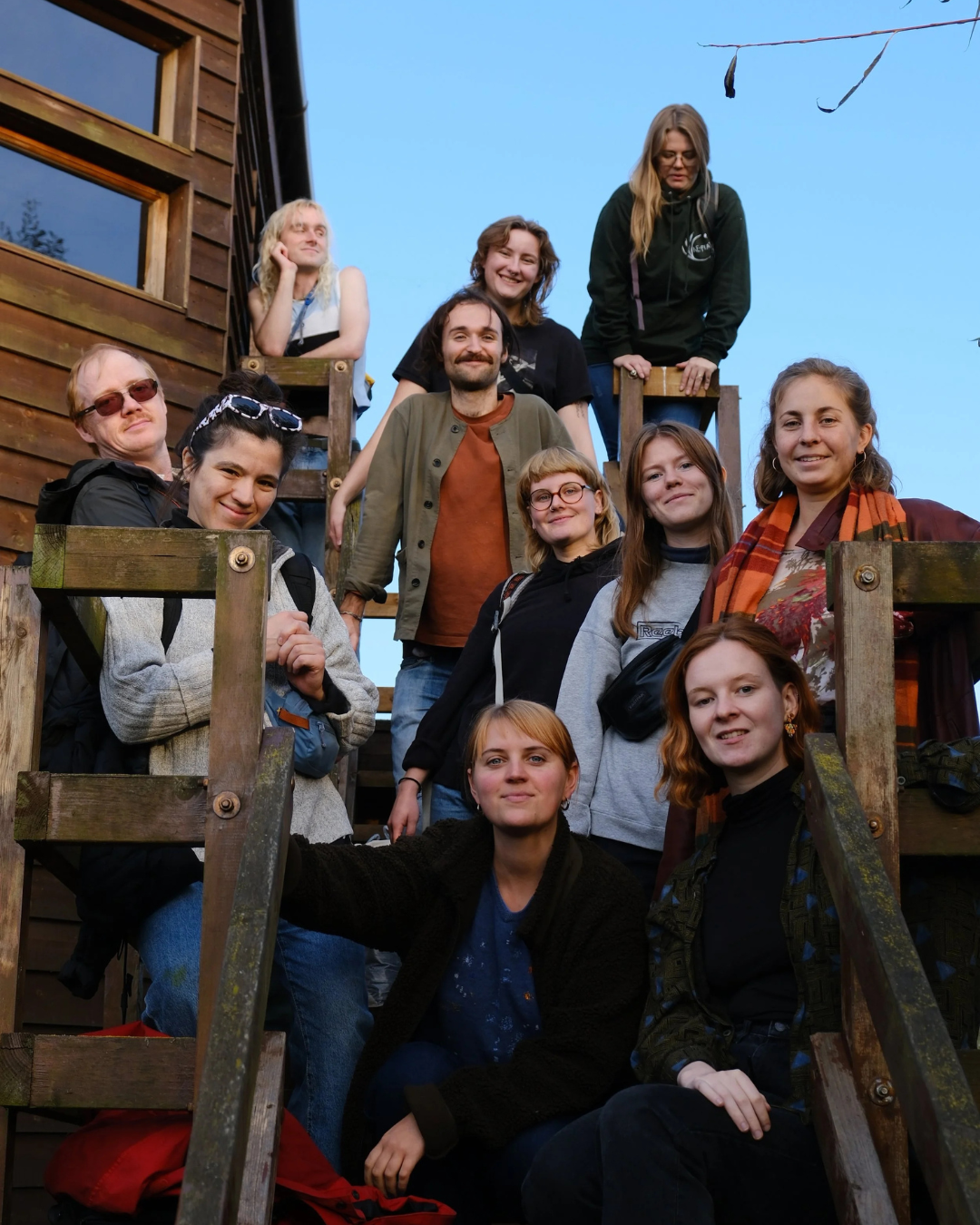
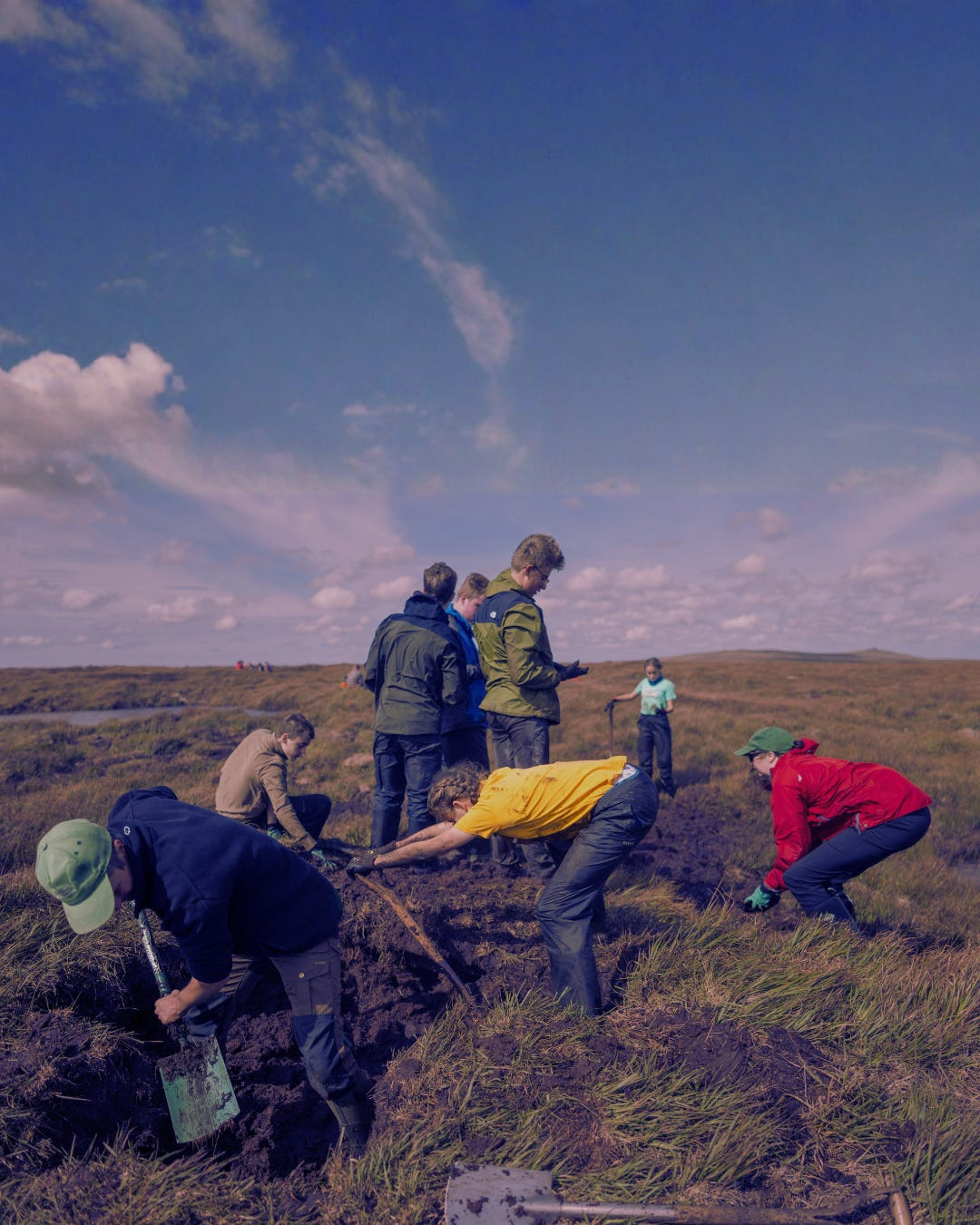
Over the course of the last five years together, we’ve learnt a lot more about peatlands. We have travelled across land and sea to visit them, listened to memories and built our own relationships with these landscapes. We’ve seen the importance of finding playful, metaphorical, collaborative, and imaginative ways of relating with peatlands and sharing their peculiar values. In return, the peatlands have guided us through explorations of grief, deep time, intergenerational thinking, migration, extraction, culture and more.
.png)
Since starting RE-PEAT, what is one of your favourite or most surprising things you’ve learned about peatlands?
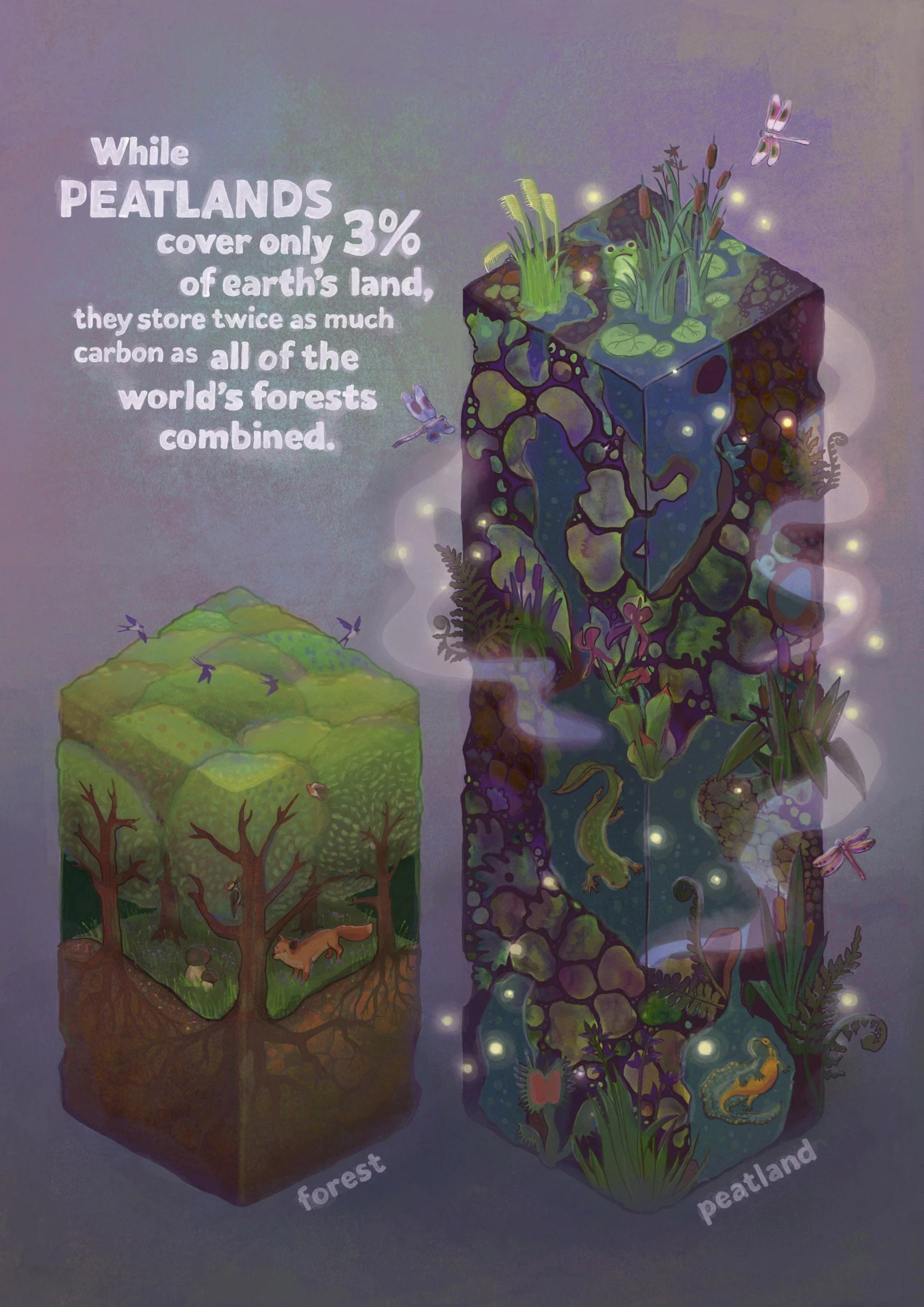
People often think about peatlands as wet places, but when they are dry they become places that attract fire. Zombie fires can smolder underground for weeks, months and in some cases years… waiting in the shadows for the right moment to emerge into the light and reignite the world above. The idea of zombie fires is totally ominous, but also strangely magical in the way that they escape our view and our control. This is why peatlands, when kept wet and healthy, are such important mitigators of fire and drought. With their absorbent properties, they can also help prevent flooding. Peatlands are vital, intelligent regulators of landscapes, they are ecosystems we urgently need to care for and protect.
Wetlands and peatlands are often overlooked in climate discussions. Why do you think they remain so underrepresented, despite their huge ecological importance?
Wetlands and peatlands are often overlooked in climate discussions because of how they have been framed culturally and politically. They are frequently portrayed as wastelands, as “scary” or “empty” places. As landscapes to be drained rather than valued, making their ecological richness easy to ignore. Their degradation is also a form of slow violence: like the frog in hot water metaphor, the impacts unfold gradually and go unnoticed until it’s too late. For example in the Netherlands, soil subsidence from drained peatlands happens slowly, yet over time the land sinks by meters. Restoring peatlands is also slow. It requires landscape-wide agreement and collaboration between many actors, which is far harder to organise than restoration efforts focused on a single plot of land, such as forests.
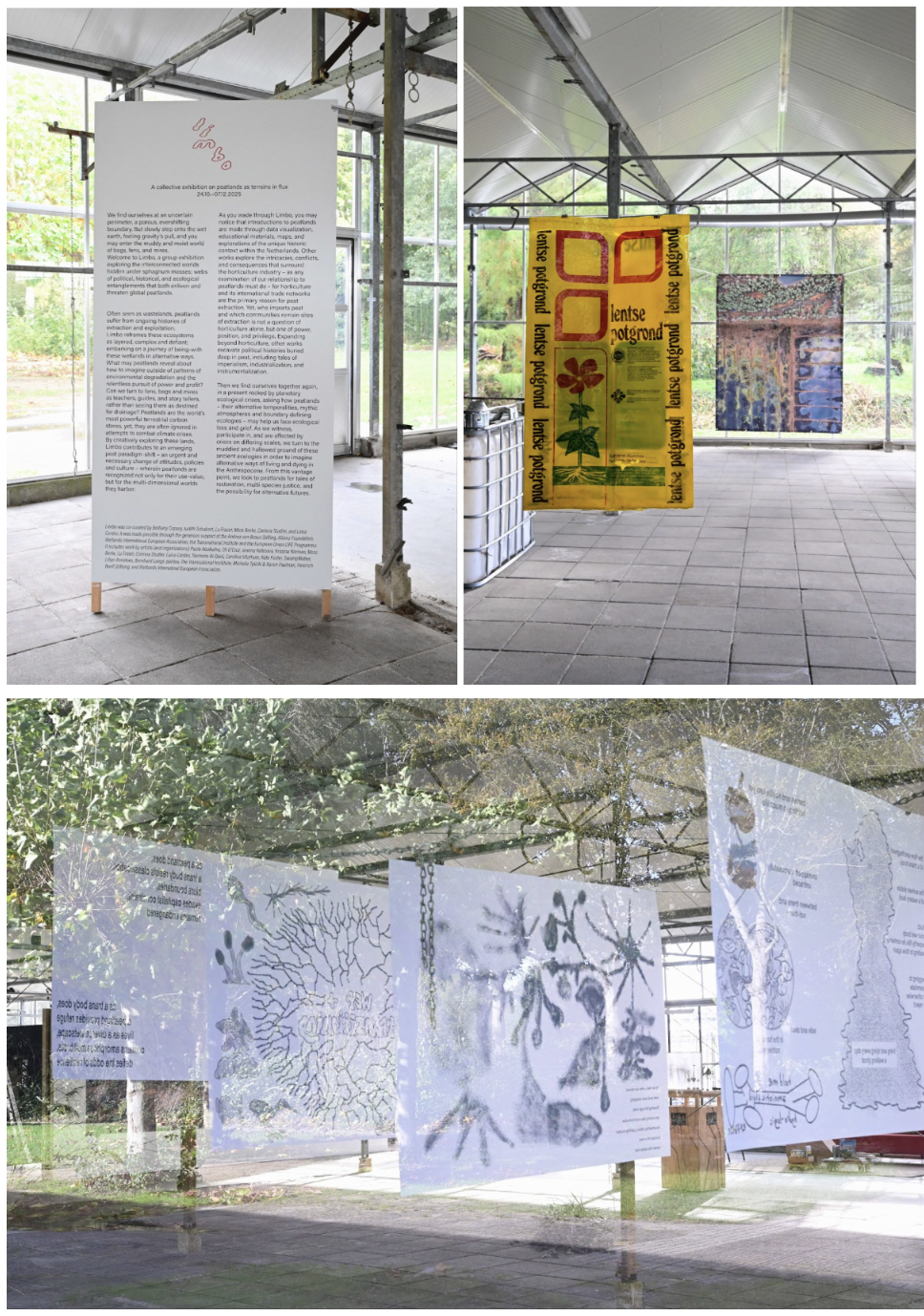
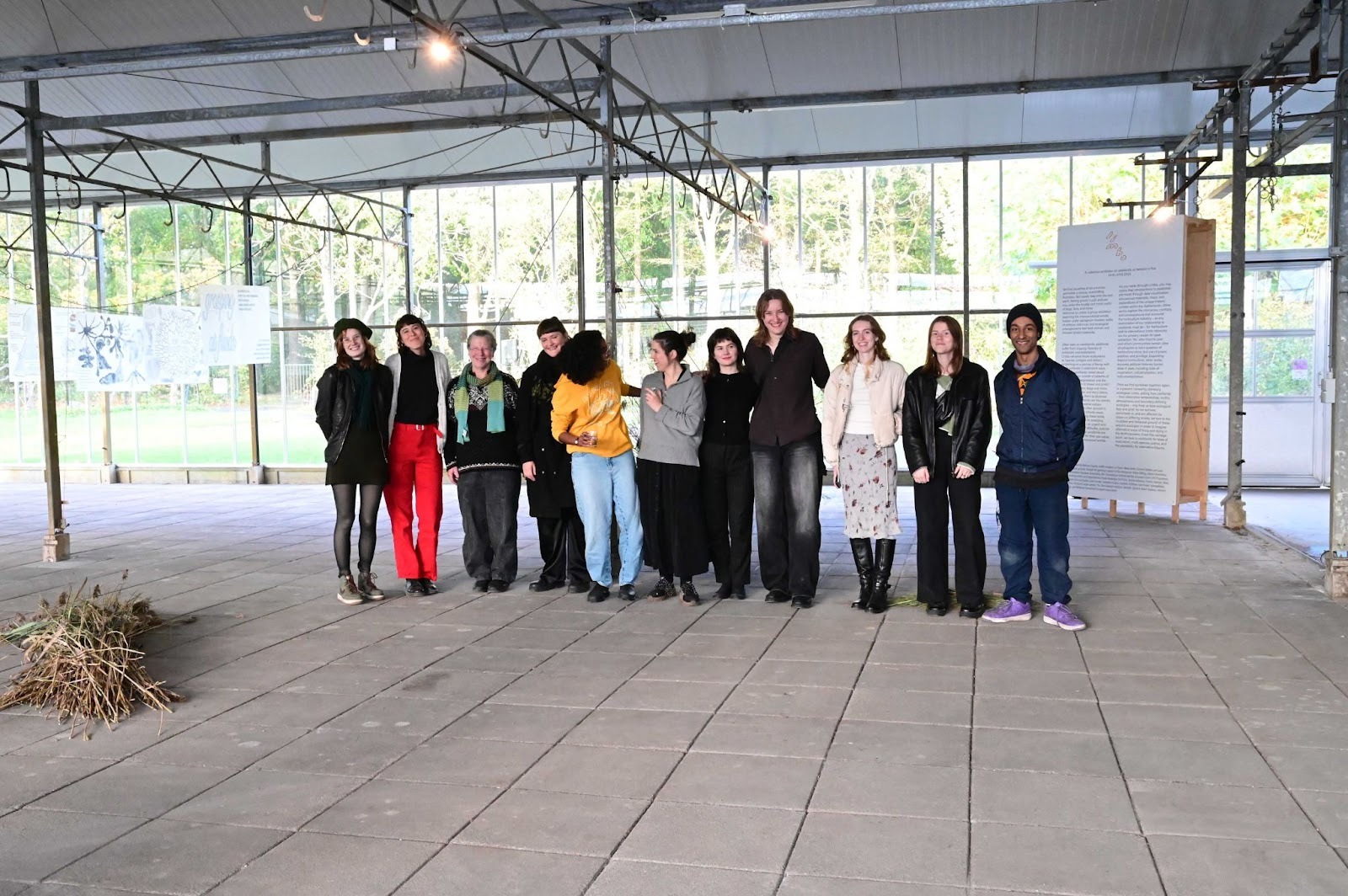
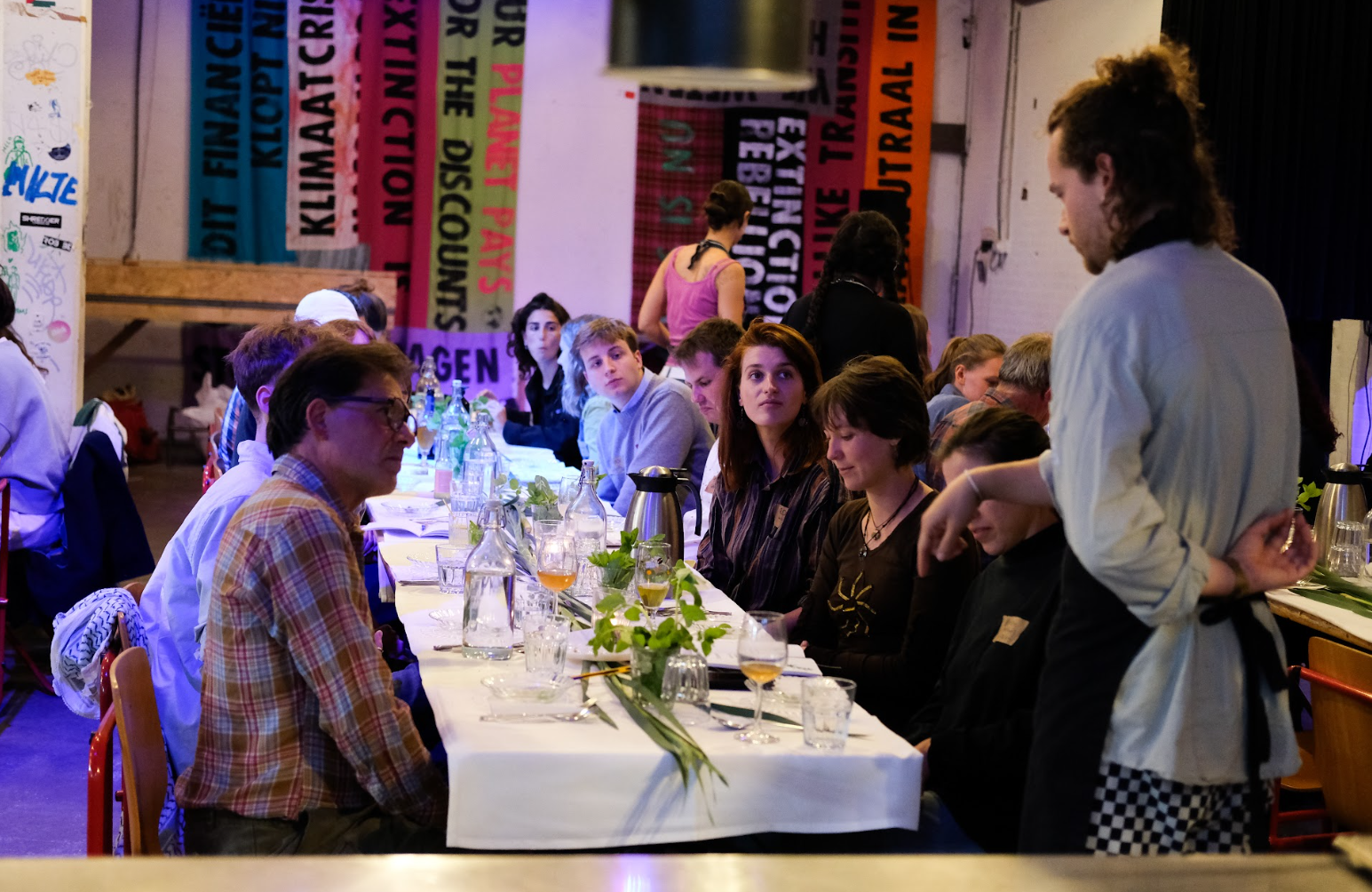
We delivered one of the largest peatland exhibitions to date, Limbo, created in collaboration with De Proef, a former horticultural school in the peat-rich province of Drenthe in the Netherlands. Inspired by the region’s long history of peat extraction, the exhibition brought together over 25 artists from around Europe, working across sound, data, video, and cartography to present peatlands as culturally complex landscapes rather than mere carbon stores. Alongside the exhibition, we hosted side-programming including lino-printing, artist talks, and a paludi dinner, pairing historical context with clear calls to action and significantly expanding the cultural and political visibility of peatland justice in the Netherlands.
The crowdfund supported the exhibition on a limited budget, ensuring fair artist compensation and enabling an interactive public programme, documentation, and a booklet that extends the work beyond the exhibition itself. Through over 200 pledges we reached just over €10,000! We are deeply grateful for the global network of supporters who made this possible.
Images from the Limbo exhibition taken by Caroline Vitzhum
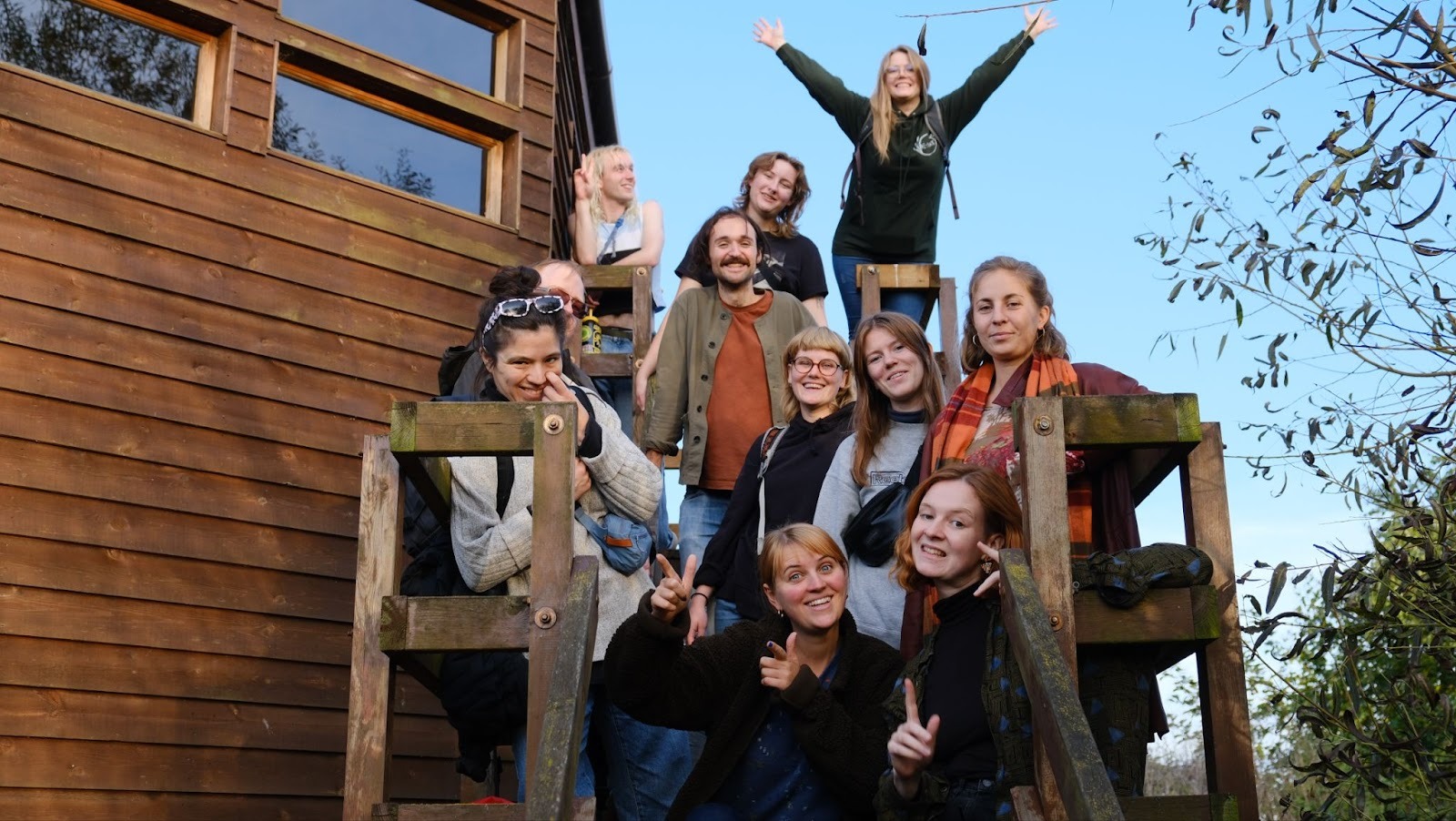
At Ponda, we have long admired the energy, creativity and determination behind RE-PEAT’s work. Their commitment to championing peatlands and the communities who depend on them - feels both urgent and deeply inspiring. RE-PEAT is a youth-led collective working across Europe, using creative advocacy to give peatlands the attention they deserve. Bringing together voices from art, science and activism, its members are united by a shared love for these vital ecosystems and a fierce commitment to protecting them.
Youth-led activism is essential in responding to the climate crisis, and it is always energising to connect with others who care about wetlands as deeply as we do. Over the coming months, we’ll be collaborating with RE-PEAT on a number of projects, but first, we wanted to introduce their brilliant team to the Ponda community. We’re delighted to sit down with them to explore how RE-PEAT began, the role of art in activism, and why peatlands deserve a much louder voice in the climate conversation.
To begin, could you share the story of how RE-PEAT first came to life?
Where did the idea spark from, and how did it grow into what it is today? What are your best achievements in this time period?
Looking back now, it’s clear that September 2019 is a sort of BP and AP situation for a few of us: before peatlands and after peatlands. It was at this time that Bethany and Frankie were in Germany for a climate camp, which was set up to protest against a big chemical fertilizer company. They ended up spontaneously joining a peatland excursion and finding out about how vital peatlands are for the climate. On the bus ride home totally transfixed in this new mission, the name “re-peat” jokingly emerged. Since then, more and more people “re-peated” this moment of BP/AP, and so we formed a collective with many time-travelling multi-perspective starting points.
Over the course of the last five years together, we’ve learnt a lot more about peatlands. We have travelled across land and sea to visit them, listened to memories and built our own relationships with these landscapes. We’ve seen the importance of finding playful, metaphorical, collaborative, and imaginative ways of relating with peatlands and sharing their peculiar values. In return, the peatlands have guided us through explorations of grief, deep time, intergenerational thinking, migration, extraction, culture and more.
Since starting RE-PEAT, what is one of your favourite or most surprising things you’ve learned about peatlands?
People often think about peatlands as wet places, but when they are dry they become places that attract fire. Zombie fires can smolder underground for weeks, months and in some cases years… waiting in the shadows for the right moment to emerge into the light and reignite the world above. The idea of zombie fires is totally ominous, but also strangely magical in the way that they escape our view and our control. This is why peatlands, when kept wet and healthy, are such important mitigators of fire and drought. With their absorbent properties, they can also help prevent flooding. Peatlands are vital, intelligent regulators of landscapes, they are ecosystems we urgently need to care for and protect.
Wetlands and peatlands are often overlooked in climate discussions. Why do you think they remain so underrepresented, despite their huge ecological importance?
Wetlands and peatlands are often overlooked in climate discussions because of how they have been framed culturally and politically. They are frequently portrayed as wastelands, as “scary” or “empty” places. As landscapes to be drained rather than valued, making their ecological richness easy to ignore. Their degradation is also a form of slow violence: like the frog in hot water metaphor, the impacts unfold gradually and go unnoticed until it’s too late. For example in the Netherlands, soil subsidence from drained peatlands happens slowly, yet over time the land sinks by meters. Restoring peatlands is also slow. It requires landscape-wide agreement and collaboration between many actors, which is far harder to organise than restoration efforts focused on a single plot of land, such as forests.
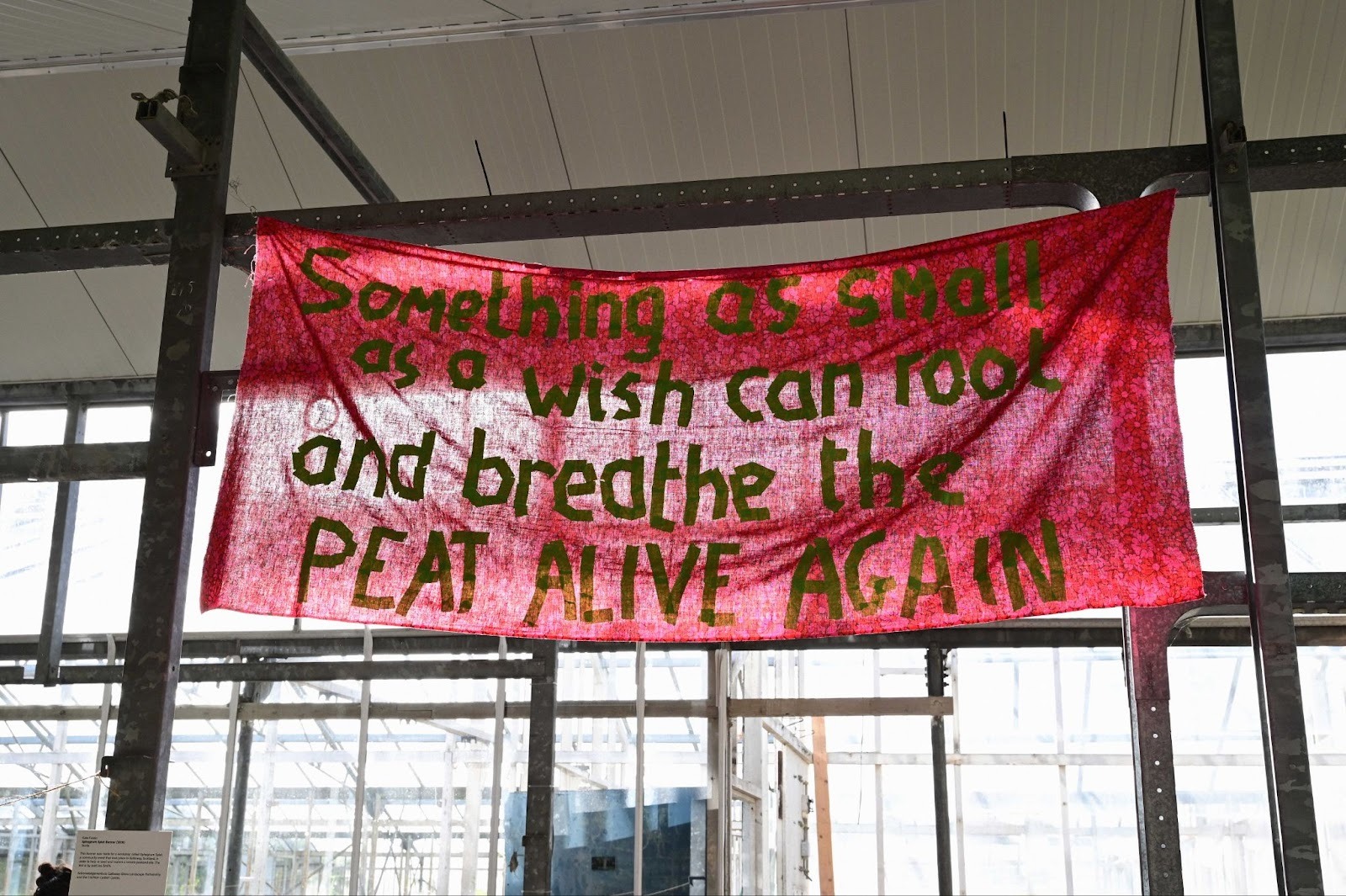
RE-PEAT uses creativity in powerful ways. Why do you believe art is such an effective tool for communicating the value and urgency of peatland protection?
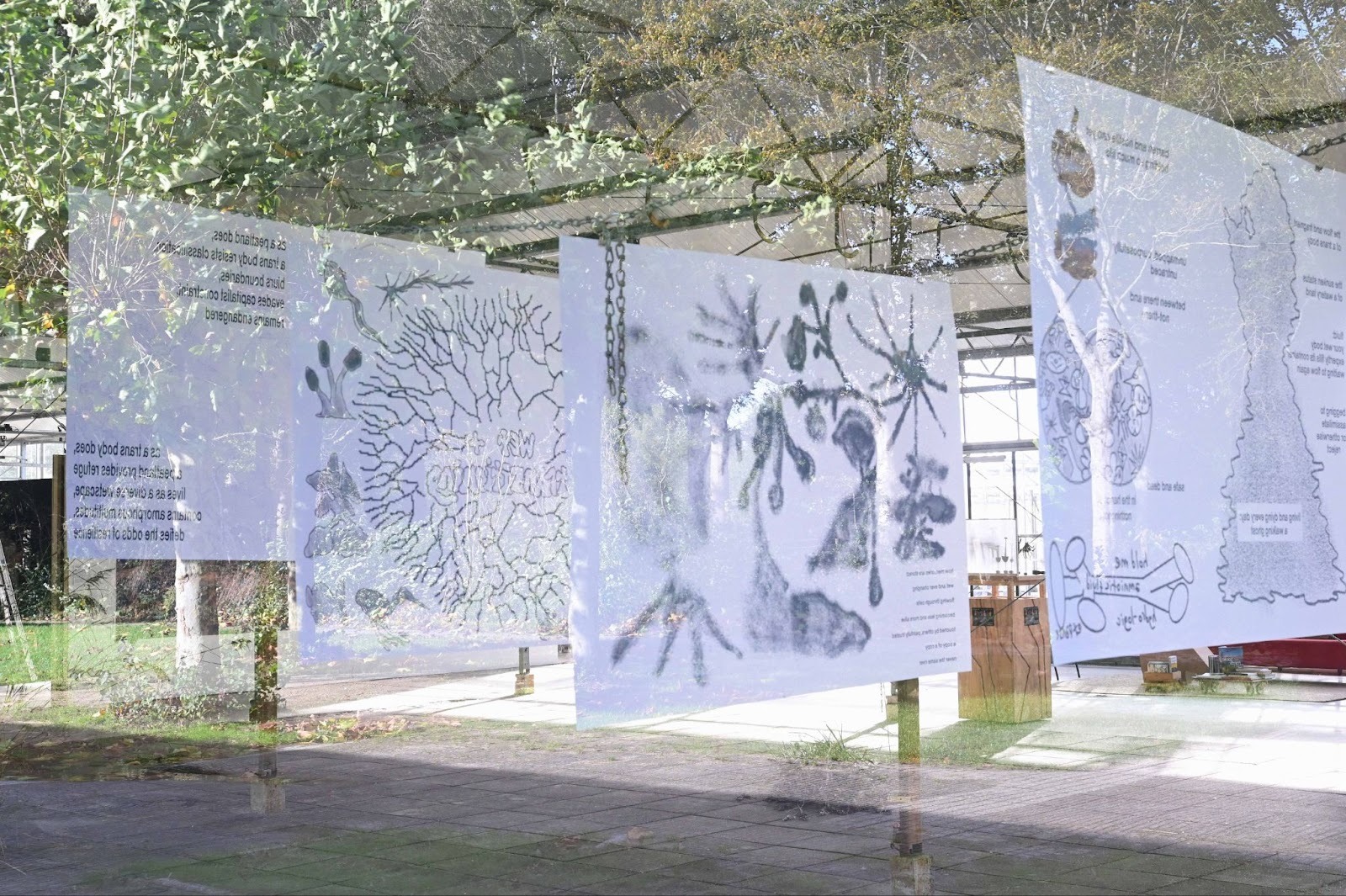
Art allows us to share knowledge in imaginative ways that go beyond academic or policy language and connect more deeply with the wider public. As a universal language, art and graphism speak to people of all ages making complex issues like peatlands and their challenges more accessible and emotionally engaging. At RE-PEAT, we see creativity as an intrinsic part of our work, not an add-on to science or policy. By bringing together an interdisciplinary team spanning science, politics, design, and art, creativity strengthens our collective approach and makes our work both distinctive and compelling.
What advice would you give to other youth-led activist groups who hope to create real impact in the climate space?
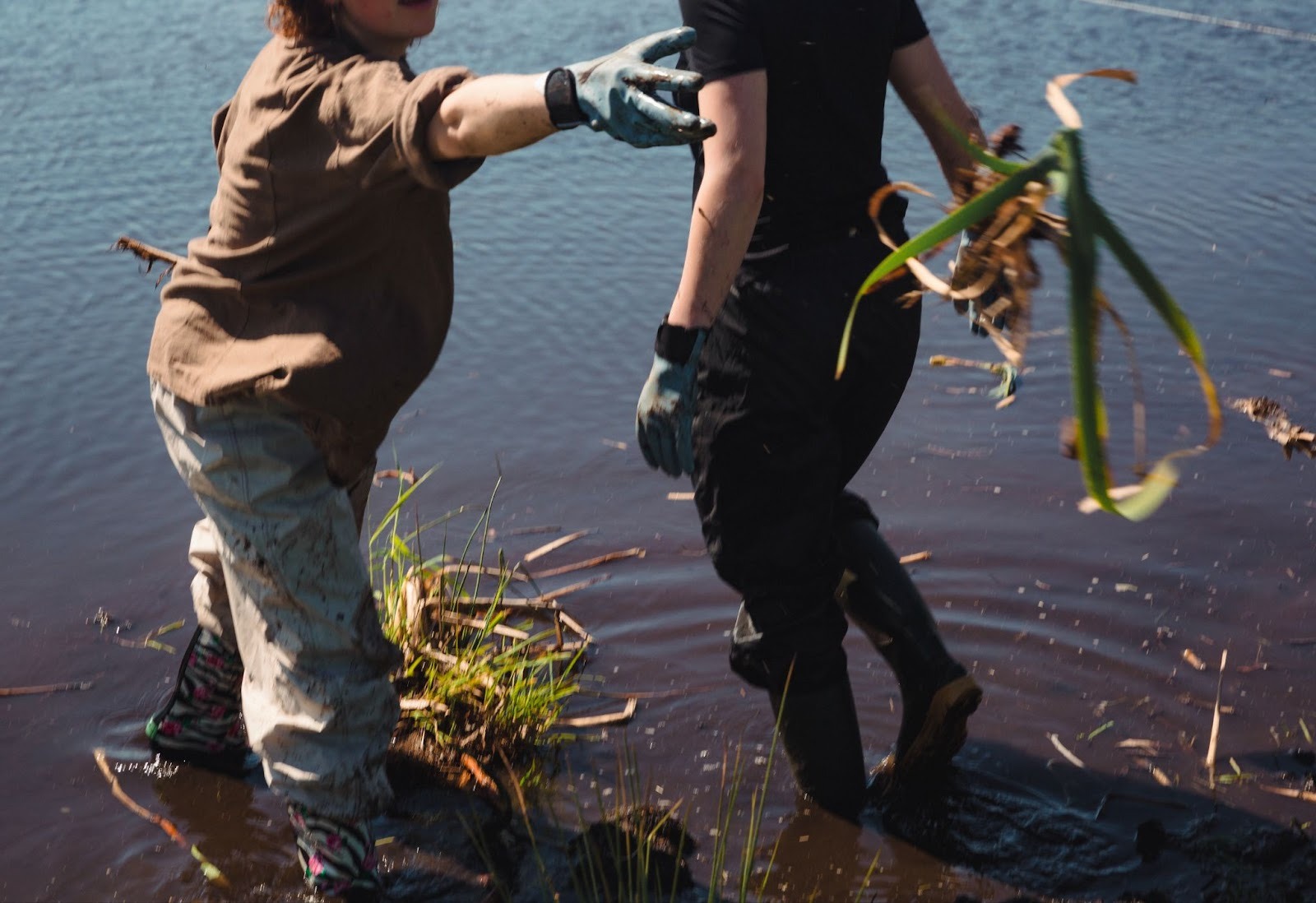
Don’t be afraid to reach out to people that inspire you: curiosity and connection are essential in activism. Remember that activism takes many forms, from protests and public speaking to hands-on ecological work and care practices. It’s important to respect your own boundaries and to know that you are free to define what activism looks like for you.
Finally, how can people reading this get involved with RE-PEAT or peatland restoration in their local communities?
There are many ways to get involved with RE-PEAT, both online and locally.
People can join discussions on peatlands and ecological grief, contribute to our Europe-wide, youth-led nature restoration network, or connect with local groups such as RE-PEAT NL in the Netherlands, which campaigns against peat in potting soil. We also offer internships and welcome peat-related contributions through our Instagram, blog posts, podcasts, and website. We are currently developing our onboarding process for new members and plan to reopen volunteering opportunities later this year.
As for getting involved with your local peatland restoration project, these are normally set up by environmental organisations in collaboration with local land owners, or governments. There will normally be a project manager that you can reach out to and see if they are looking for some extra hands. If you would like some ideas for how to do this, then do reach out to us via our Instagram @repeat.earth or via email at info@re-peat.earth
You can find out more about our work via our website:
https://www.re-peat.earth/projects
Explore our open source resources here: https://www.re-peat.earth/wiki-peat-ia
Gallery:
.png)