FAQ's
Learn more about Ponda's mission to regenerate wetlands through innovative biomaterials and sustainable textile production.
General Information
What do we do?
Ponda is a biomaterials company developing novel textiles from truly regenerative fibres. We connect the regeneration of some of our most precious ecosystems to the production of responsible materials for the textiles industry. We believe in empowering fashion brands to weave regeneration into the clothes we wear.
What problems are we trying to solve?
The textiles industry is damaging the planet. Due to high levels of pollution and resource use during production, 70% of an apparel brand's total environmental footprint comes from the materials it uses. In parallel, the historic and ongoing drainage of wetlands has inadvertently caused these natural carbon sinks to become carbon emitters, now contributing 5% of all anthropogenic carbon emissions. This land conversion has also resulted in a significant loss of biodiversity.
How is Ponda solving it?
Ponda's mission is to accelerate both the movement to healthier materials for the textile industry and the regeneration of wetlands. Our first product, BioPuff®, is an insulation designed to keep you warm whilst regenerating some of our most precious ecosystems. This next-generation alternative to goose-down is created by extracting fibres from plants that are grown on regenerated wetlands. BioPuff® is lightweight, warm, and naturally water repellent - it's also cruelty-free and traceable all the way from plant to puffer.
How do you regenerate wetlands and what is the impact?
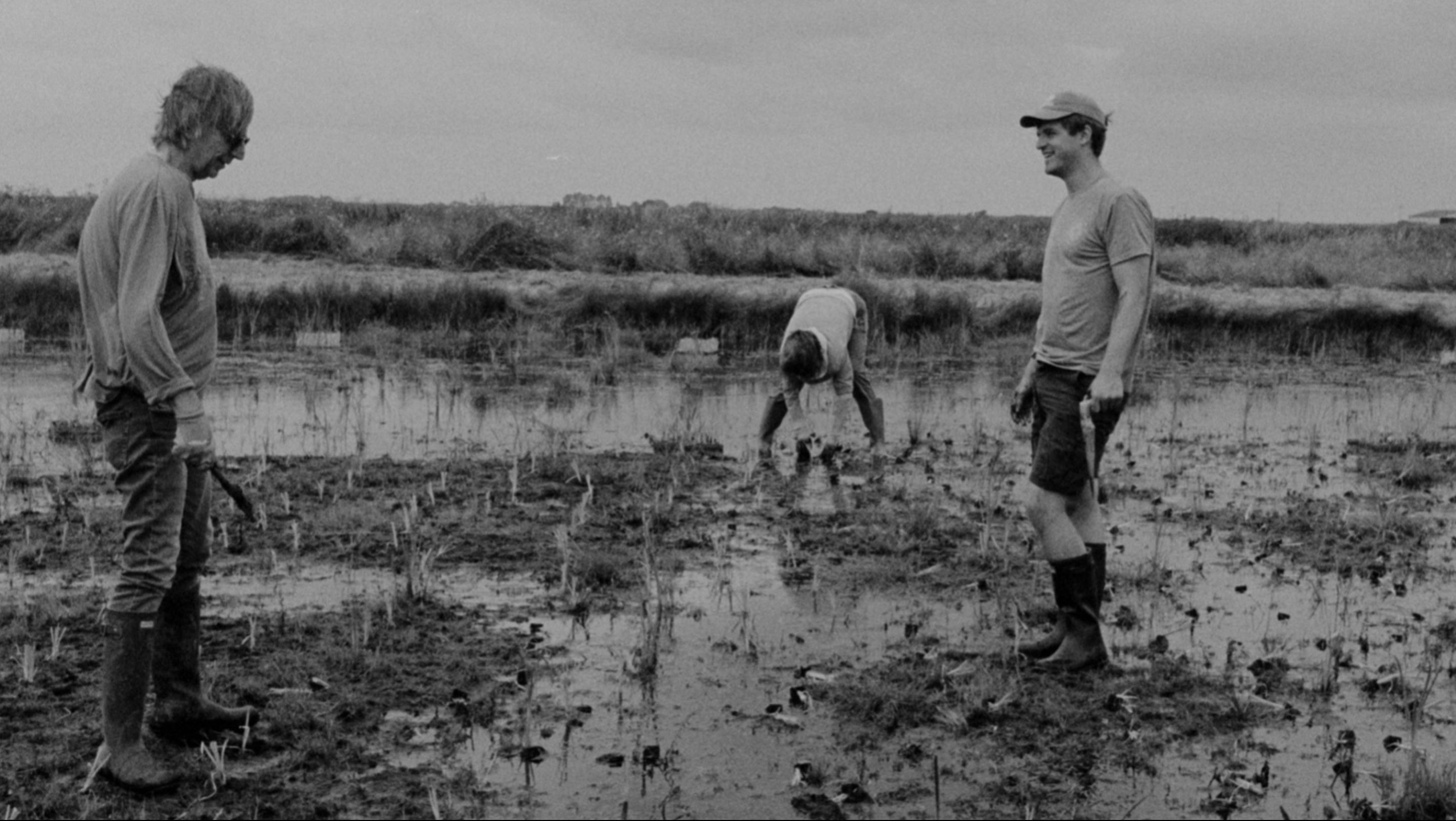
Ponda partners with farmers and conservation groups to regenerate wetlands by cultivating Typha Latifolia. This water-loving plant thrives in freshwater or slightly brackish marshes, providing an ideal, low-maintenance crop for wetland restoration. Farming under these conditions is defined as paludiculture. Ponda has patented a fibre extraction method to harness typha's fluffy seed head fibre, transforming it into a valuable insulation material for the textile industry. Ponda's biomaterials will create a net-reduction in carbon production compared to down and synthetic alternatives, provide space for biodiversity to be protected and enhanced, mitigate flood risk through natural flood management, amongst other benefits.
What is BioPuff®?
BioPuff® is an insulation designed to keep you warm whilst regenerating damaged wetlands. Increasing biodiversity, capturing carbon and ensuring a resilient industry for the future. This next-generation insulation, which reduces reliance on feather and synthetic fillers, is created by extracting fibres from plants that are grown on regenerated wetlands. BioPuff® is lightweight, warm, and naturally water repellent - it's also cruelty-free and traceable all the way from plant to puffer.
Agriculture
How does your material sourcing impact the environment?
Through our material sourcing, we aim to turn drained and damaged land back into wetland. As much of this land was previously farmland, it is important that farmers can continue to make a living once water tables have been raised. This is why we developed BioPuff: to allow more farmers to restore their land and lock in carbon, with the confidence that they can continue to earn an income. Harvesting methods and timings are all carefully controlled to ensure minimal effect on the land, nesting birds, amphibians and invertebrates.
Does harvest take food away from animals?
Small-scale, careful harvesting such as taking only part of a stand rather than clearing it entirely generally has minimal impact. The remaining plants continue to provide food and shelter for wildlife. While Typha is an important food source for many animals, sustainable, selective harvesting can help balance human use with the needs of local ecosystems. The rhizomes and young shoots are the most nutritious and commonly eaten part. By carefully harvesting only the seedheads, which are not a significant food source, we ensure most of the plant remains in place, continuing to provide both food and vital habitat.
Where do you grow the Typha?
We currently have farms located across the UK, Netherlands, Germany and Canada. We are always expanding our growing sites- get in touch with Austin if you would like to learn more! (austin@ponda.bio)
What are the environmental benefits of wetlands?
Wetlands provide crucial environmental benefits including carbon sequestration, biodiversity habitat, natural flood management, and water filtration. By regenerating wetlands through paludiculture, we help restore these vital ecosystem services while creating sustainable materials.
Product
What is typha fibre?
Typha fibre comes from the soft, fluffy material inside the seed heads of the typha plant ('cattail' or 'bulrush'), traditionally used by Indigenous communities for insulation and padding. Today, we grow typha in restored wetland spaces using paludiculture, a sustainable approach that supports healthy ecosystems. Since 2020 we have been developing modern processing technology to transform the fibre into BioPuff, ensuring it performs reliably in contemporary garments while respecting its cultural heritage.
Can you wash BioPuff?
Yes, BioPuff can be washed following proper care instructions. We provide detailed washing guidelines to ensure the material maintains its insulating properties and longevity.
Does BioPuff germinate if it gets wet?
No. BioPuff will not germinate. During processing, we remove the majority of the seed, and any trace amount that may remain is unable to sprout. Even in the unlikely case of water exposure, the conditions required for germination - continuous moisture, warmth, and light - are not present inside a garment. BioPuff remains completely stable, safe, and fit for long-term use.
How does it compare to down?
BioPuff™ is a plant-based, cruelty-free alternative to goose down. Like down, it has a natural cluster structure that traps air between its fibres, creating lightweight insulation that's both warm and breathable. Where it differs is in its environmental impact: BioPuff is made through regenerative wetland farming, offering strong insulating properties with a fraction of the ecological footprint. Unlike traditional down, it balances warmth with sustainability, without the ethical concerns of animal use.
Does BioPuff aggravate allergies?
BioPuff is unlikely to aggravate allergies. Although it's plant-based, it contains no pollen, the part that typically triggers hay fever. During processing, we also de-dust the fibre to remove any residual dust particles. The result is a clean, comfortable insulation you can enjoy without the sneezes.
Is BioPuff vegan?
Yes. BioPuff is completely vegan. Unlike traditional animal down, it offers a plant-based and sustainable alternative to both synthetic and animal-derived insulations.
What brands have used BioPuff?
We have worked with a number of brands such as Berghaus, Stella McCartney, Sheep Inc and Parley for the Oceans.
Where can I buy BioPuff?
You can contact us directly (nelly@ponda.bio) for current availability and purchase