In Conversation With: Seeing Red
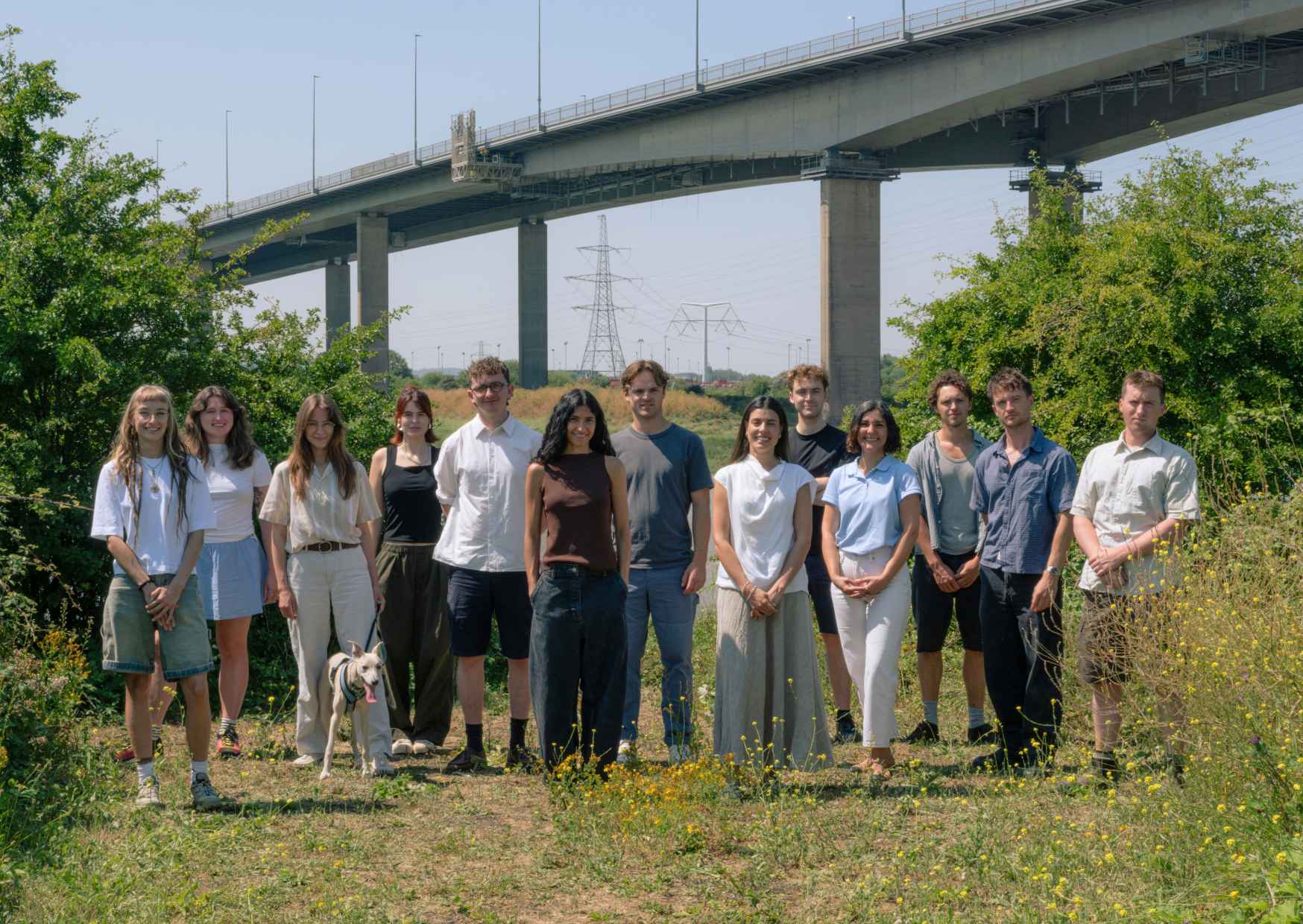
At Ponda, we have long admired the energy, creativity and determination behind RE-PEAT’s work. Their commitment to championing peatlands and the communities who depend on them - feels both urgent and deeply inspiring. RE-PEAT is a youth-led collective working across Europe, using creative advocacy to give peatlands the attention they deserve. Bringing together voices from art, science and activism, its members are united by a shared love for these vital ecosystems and a fierce commitment to protecting them.
Youth-led activism is essential in responding to the climate crisis, and it is always energising to connect with others who care about wetlands as deeply as we do. Over the coming months, we’ll be collaborating with RE-PEAT on a number of projects, but first, we wanted to introduce their brilliant team to the Ponda community. We’re delighted to sit down with them to explore how RE-PEAT began, the role of art in activism, and why peatlands deserve a much louder voice in the climate conversation.
To begin, could you share the story of how RE-PEAT first came to life? Where did the idea spark from, and how did it grow into what it is today? What are your best achievements in this time period?
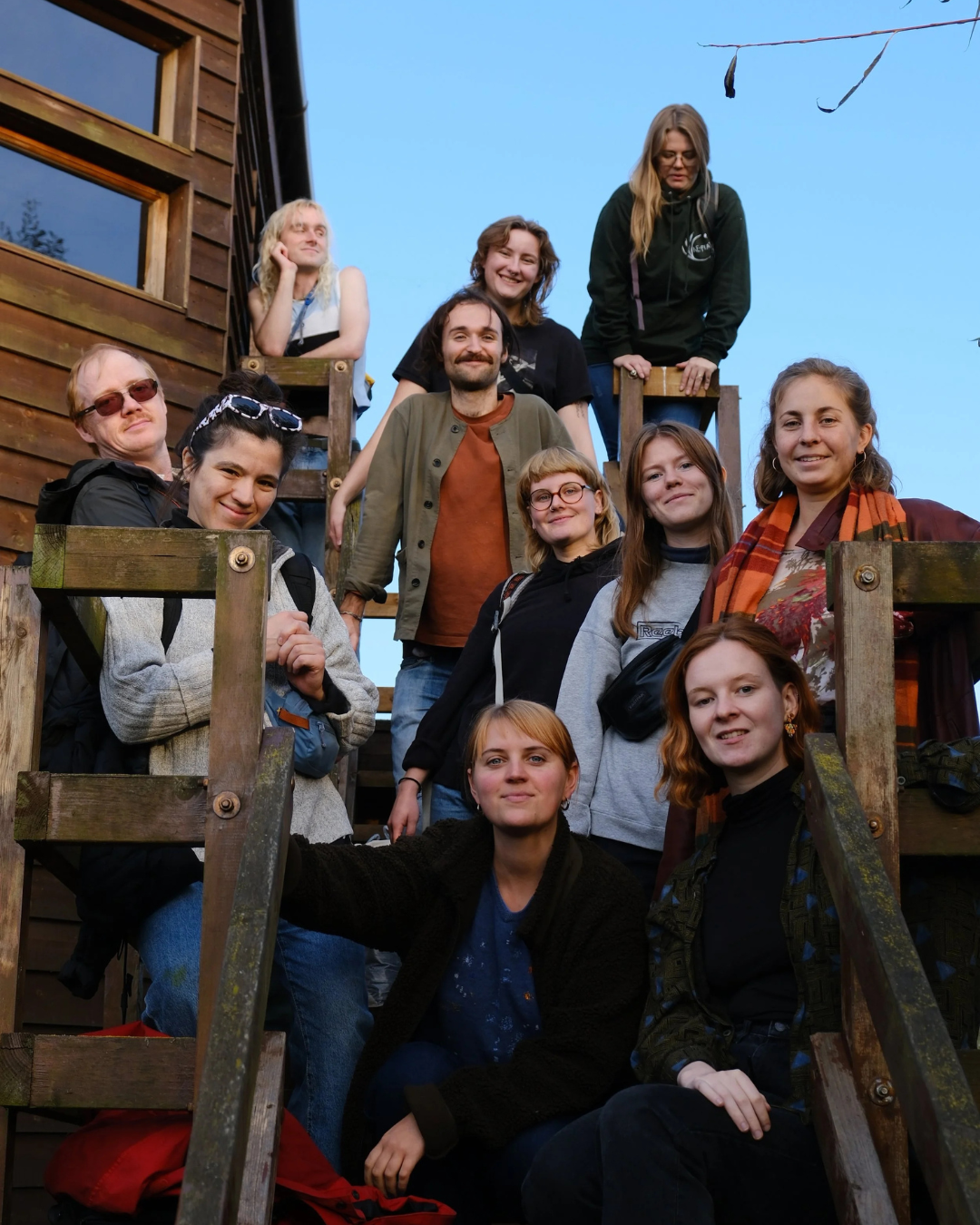
Looking back now, it’s clear that September 2019 is a sort of BP and AP situation for a few of us: before peatlands and after peatlands. It was at this time that Bethany and Frankie were in Germany for a climate camp, which was set up to protest against a big chemical fertilizer company. They ended up spontaneously joining a peatland excursion and finding out about how vital peatlands are for the climate. On the bus ride home totally transfixed in this new mission, the name “re-peat” jokingly emerged. Since then, more and more people “re-peated” this moment of BP/AP, and so we formed a collective with many time-travelling multi-perspective starting points.
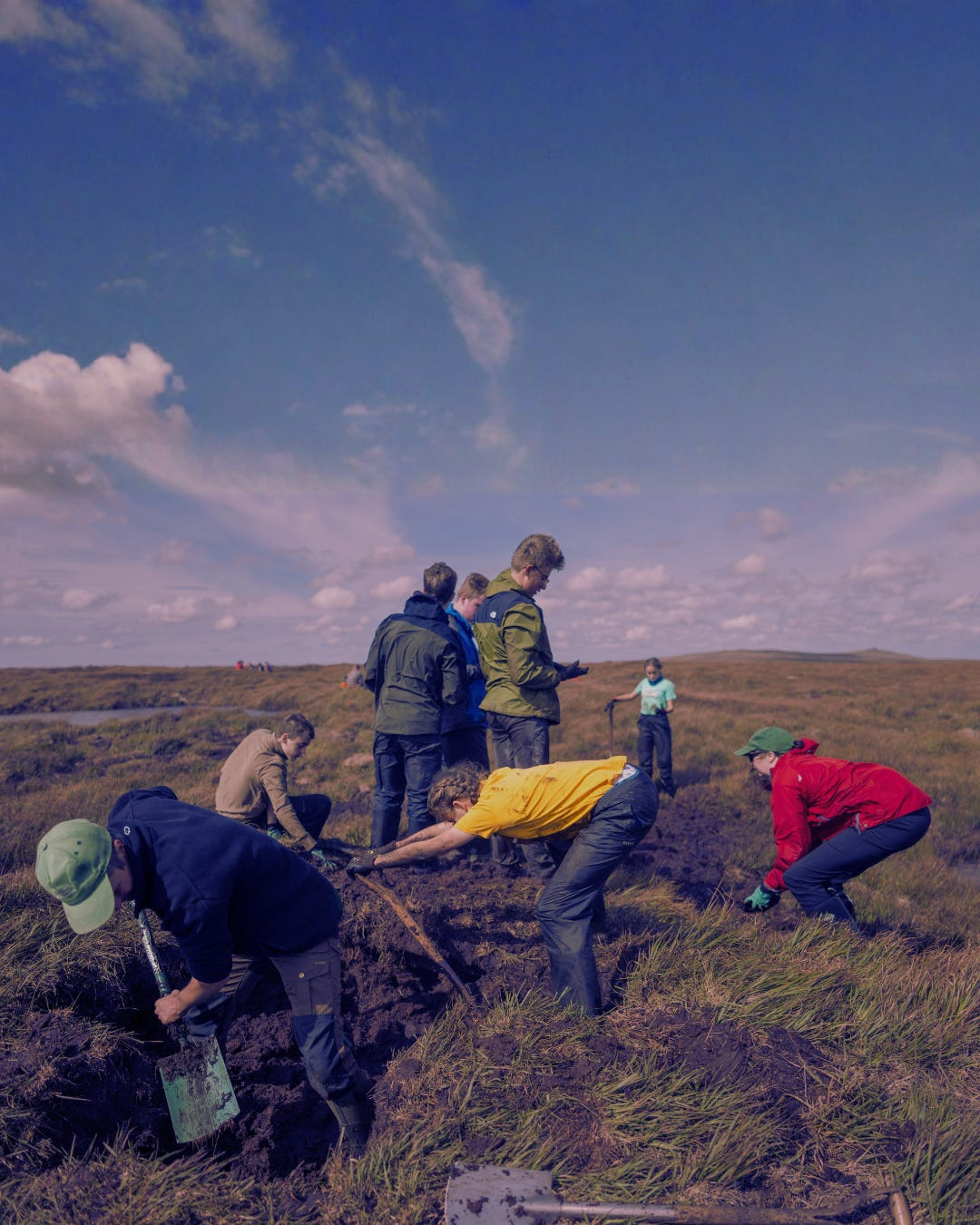
Over the course of the last five years together, we’ve learnt a lot more about peatlands. We have travelled across land and sea to visit them, listened to memories and built our own relationships with these landscapes. We’ve seen the importance of finding playful, metaphorical, collaborative, and imaginative ways of relating with peatlands and sharing their peculiar values. In return, the peatlands have guided us through explorations of grief, deep time, intergenerational thinking, migration, extraction, culture and more.
.png)
Since starting RE-PEAT, what is one of your favourite or most surprising things you’ve learned about peatlands?
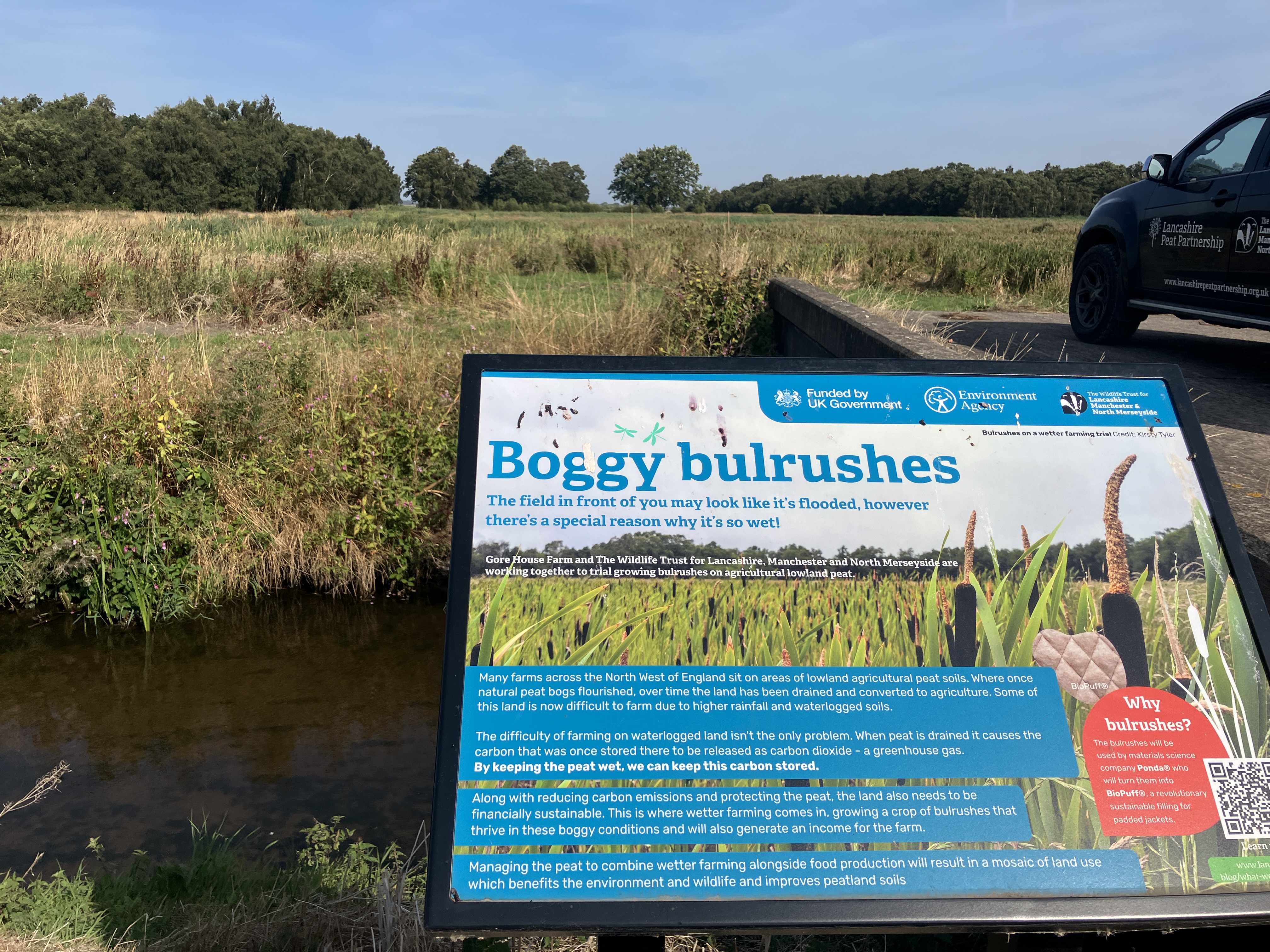
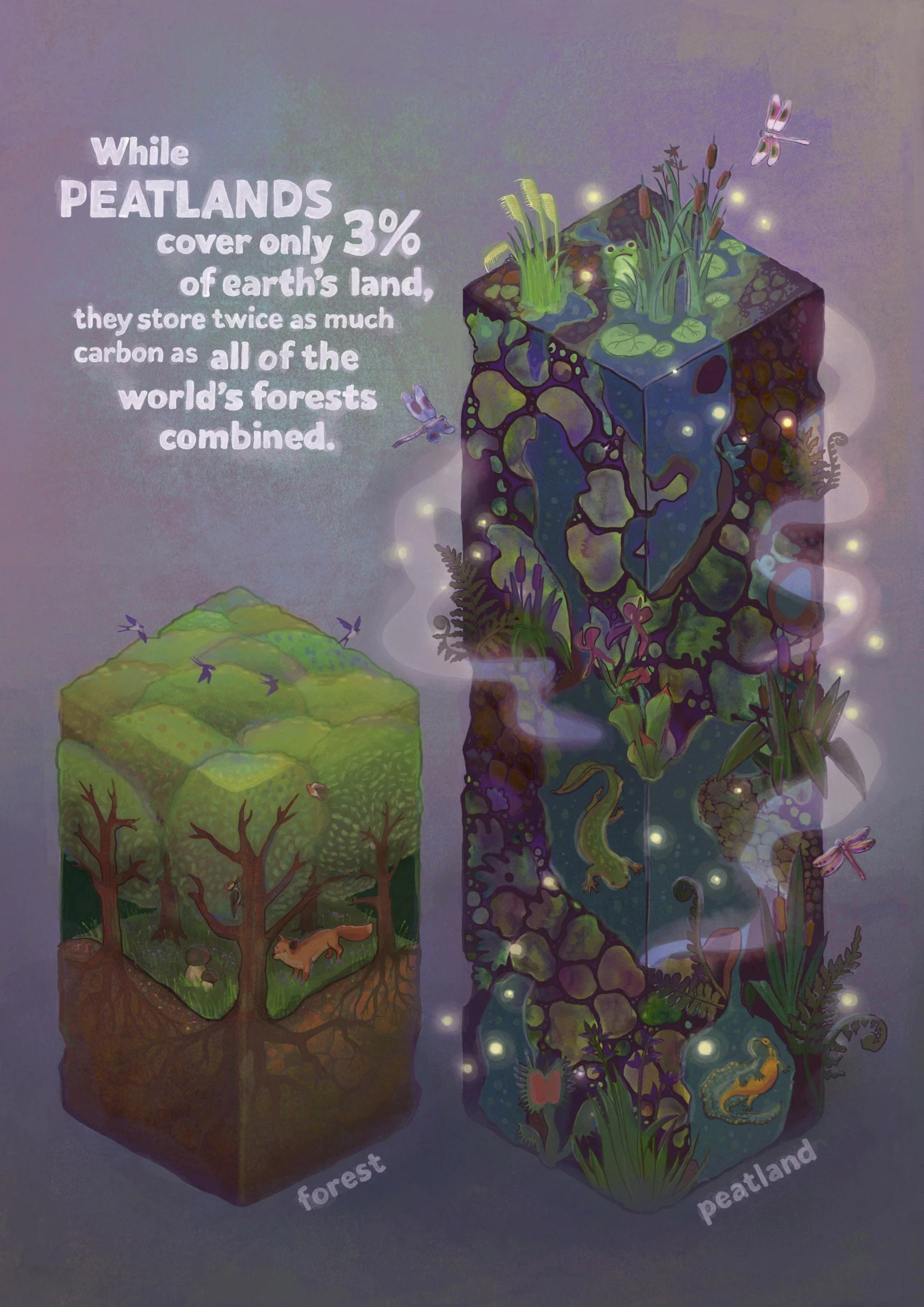
People often think about peatlands as wet places, but when they are dry they become places that attract fire. Zombie fires can smolder underground for weeks, months and in some cases years… waiting in the shadows for the right moment to emerge into the light and reignite the world above. The idea of zombie fires is totally ominous, but also strangely magical in the way that they escape our view and our control. This is why peatlands, when kept wet and healthy, are such important mitigators of fire and drought. With their absorbent properties, they can also help prevent flooding. Peatlands are vital, intelligent regulators of landscapes, they are ecosystems we urgently need to care for and protect.
Wetlands and peatlands are often overlooked in climate discussions. Why do you think they remain so underrepresented, despite their huge ecological importance?
Wetlands and peatlands are often overlooked in climate discussions because of how they have been framed culturally and politically. They are frequently portrayed as wastelands, as “scary” or “empty” places. As landscapes to be drained rather than valued, making their ecological richness easy to ignore. Their degradation is also a form of slow violence: like the frog in hot water metaphor, the impacts unfold gradually and go unnoticed until it’s too late. For example in the Netherlands, soil subsidence from drained peatlands happens slowly, yet over time the land sinks by meters. Restoring peatlands is also slow. It requires landscape-wide agreement and collaboration between many actors, which is far harder to organise than restoration efforts focused on a single plot of land, such as forests.
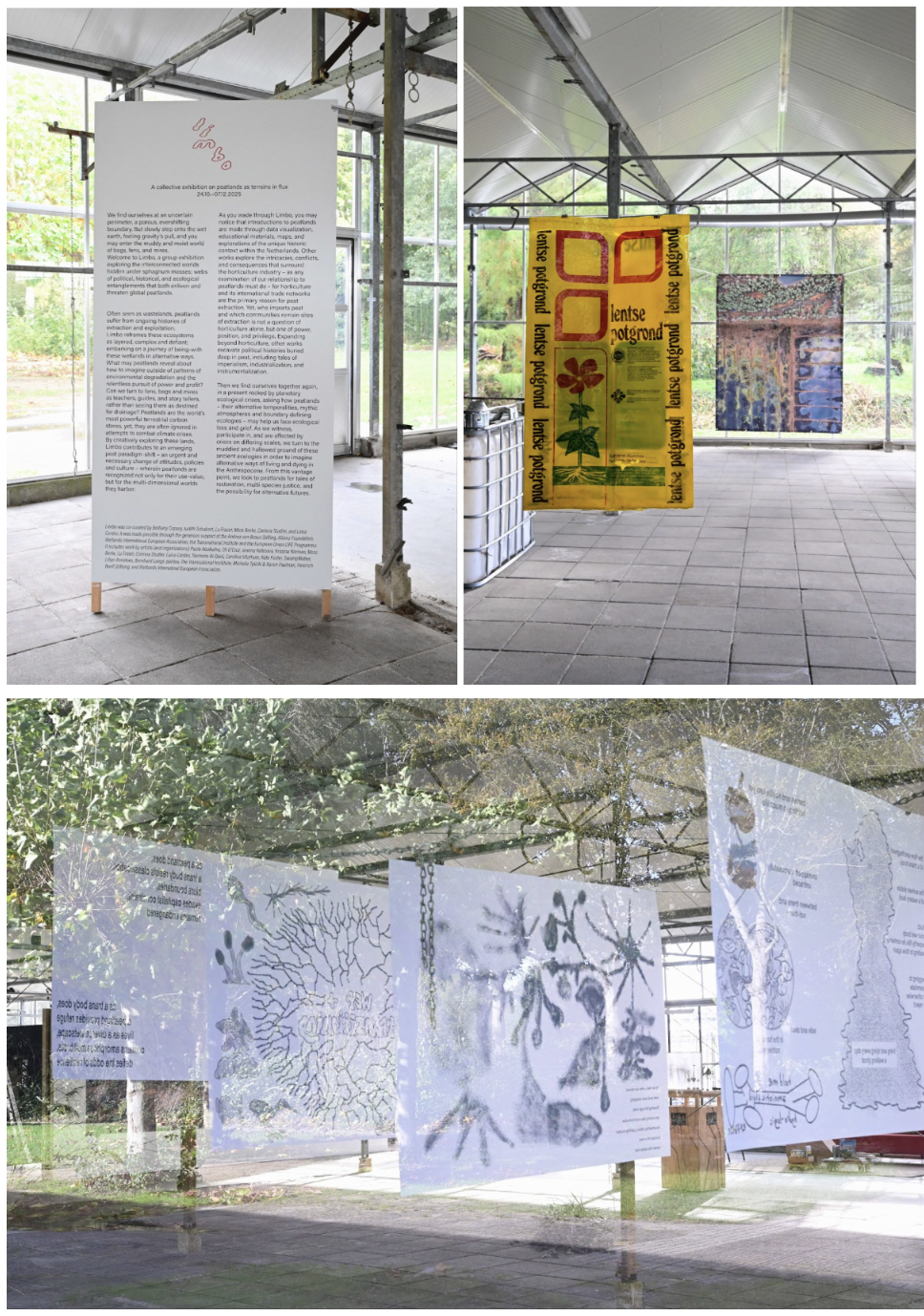
We delivered one of the largest peatland exhibitions to date, Limbo, created in collaboration with De Proef, a former horticultural school in the peat-rich province of Drenthe in the Netherlands. Inspired by the region’s long history of peat extraction, the exhibition brought together over 25 artists from around Europe, working across sound, data, video, and cartography to present peatlands as culturally complex landscapes rather than mere carbon stores. Alongside the exhibition, we hosted side-programming including lino-printing, artist talks, and a paludi dinner, pairing historical context with clear calls to action and significantly expanding the cultural and political visibility of peatland justice in the Netherlands.
The crowdfund supported the exhibition on a limited budget, ensuring fair artist compensation and enabling an interactive public programme, documentation, and a booklet that extends the work beyond the exhibition itself. Through over 200 pledges we reached just over €10,000! We are deeply grateful for the global network of supporters who made this possible.
Images from the Limbo exhibition taken by Caroline Vitzhum
We’re excited to launch the very first blog in our new series, where we meet the brands and creatives bringing BioPuff to life through their designs. Each conversation will uncover their inspirations, processes, and the conscious choices shaping their work.
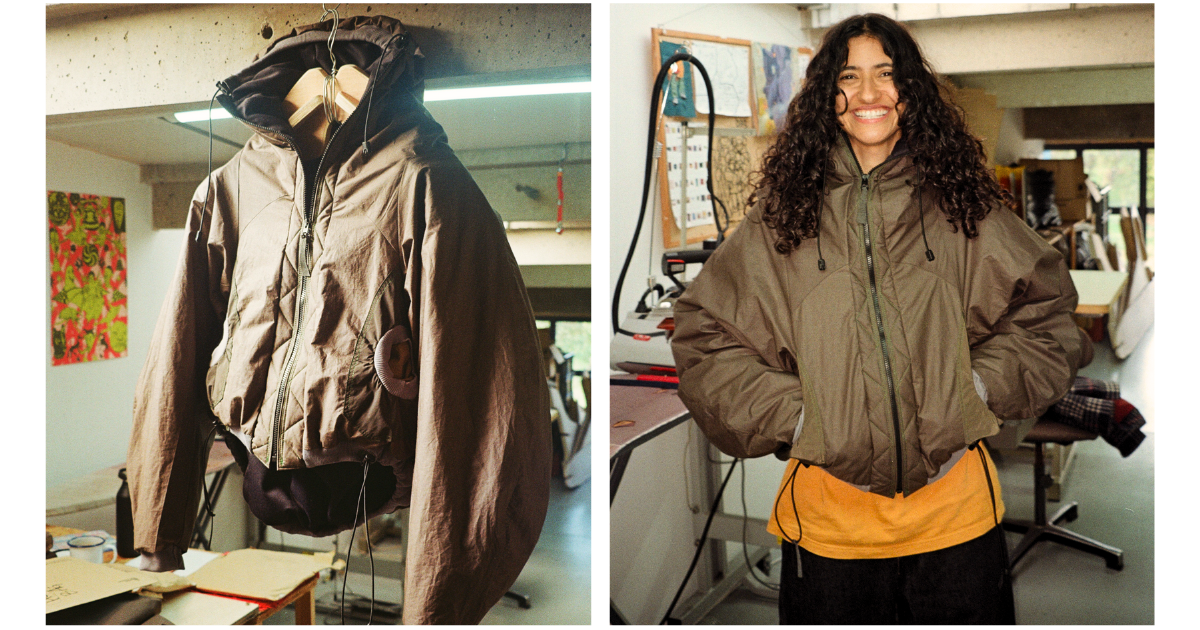
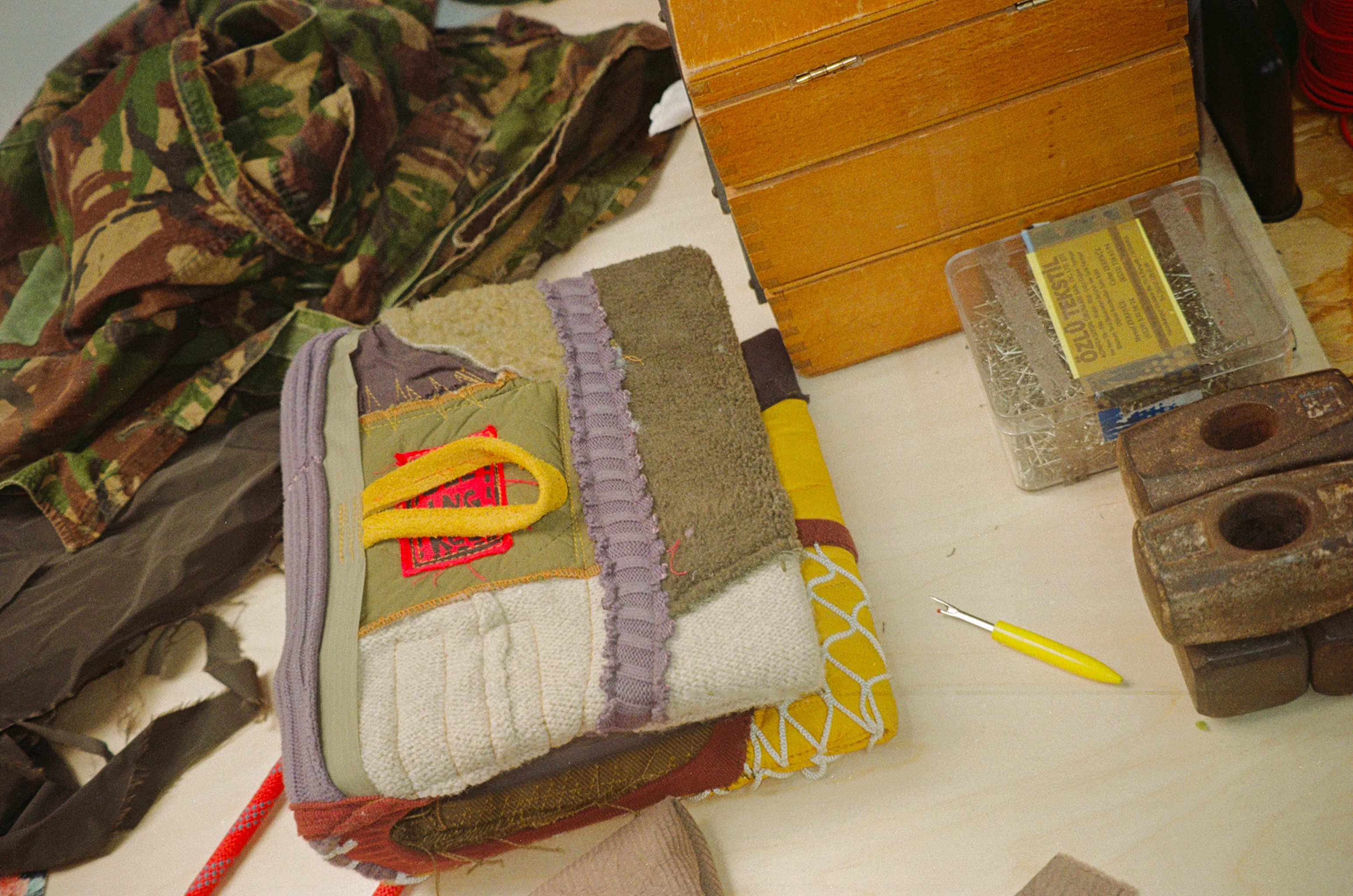
Our first feature shines a light on Seeing Red, the brainchild of London-based designer Fred Redman. Known for transforming dead-stock materials into durable, one-of-a-kind pieces, Fred’s work is all about texture, function and a punk-inspired edge. With layered fabrics, his designs are setting the tone for a new wave of conscious creativity.
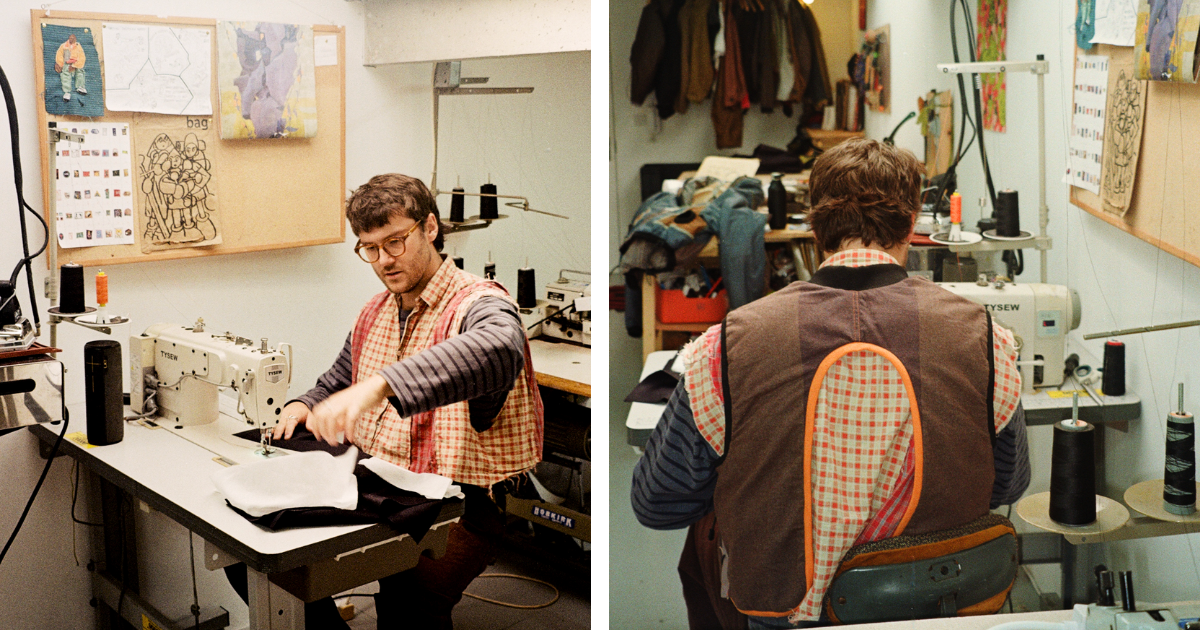
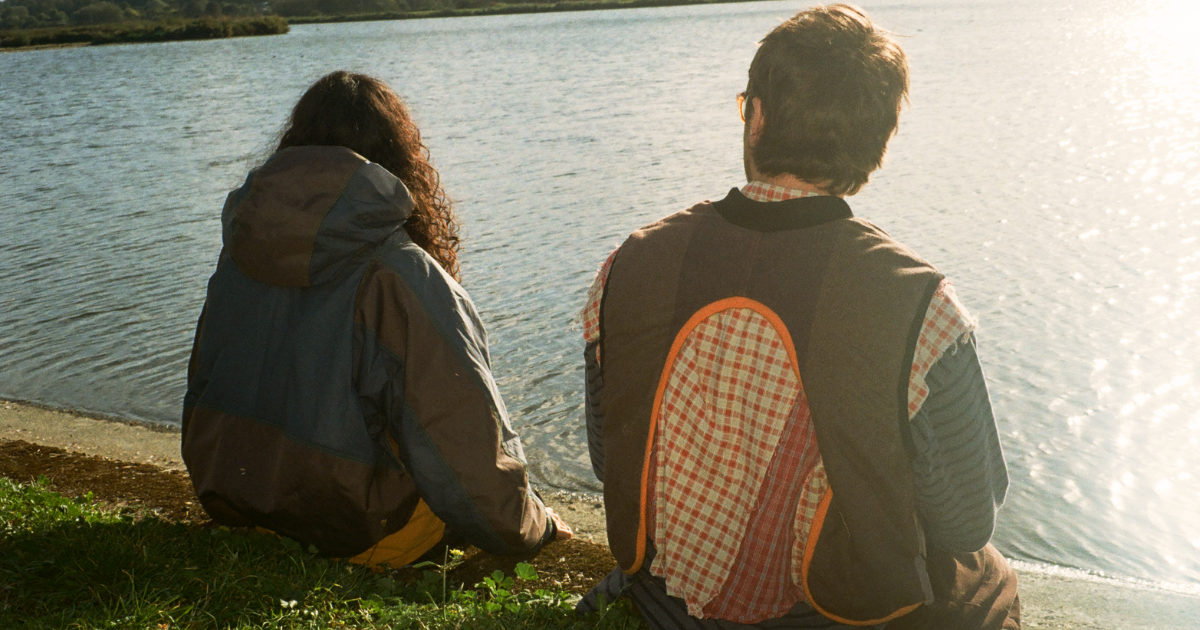
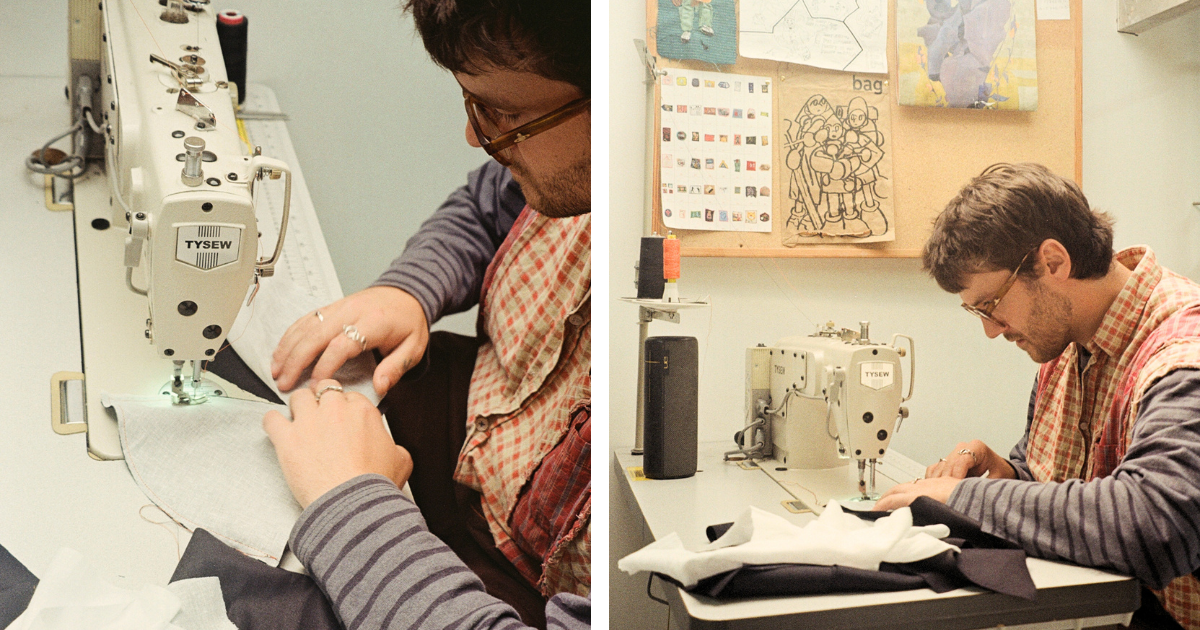
On a sunny afternoon in Walthamstow, we stepped into his studio to see BioPuff in action, explore his bold design process, and understand what fuels his vision. After trying on nearly every piece in sight, we left as Seeing Red’s biggest fans. We also followed Fred to the Walthamstow Wetlands- a place he often cycles to for inspiration and reconnection with nature.
How would you describe Seeing Red’s signature style and aesthetic?
Inspiration has always come in many forms for me with my creative practice. Seeing Red has been a very important outlet for my ideas. Often I’m inspired by what I come into contact with on a daily basis - be it through podcasts, music, exhibitions or the toys I grew up with, all of these factors have shaped the clothes I create. There’s a playfulness I wanted to involve in my designs, through the cut and silhouette or textile applications, I want the garments to reflect how much joy these experiences have provided me.
In what ways does nature inspire your creative process?
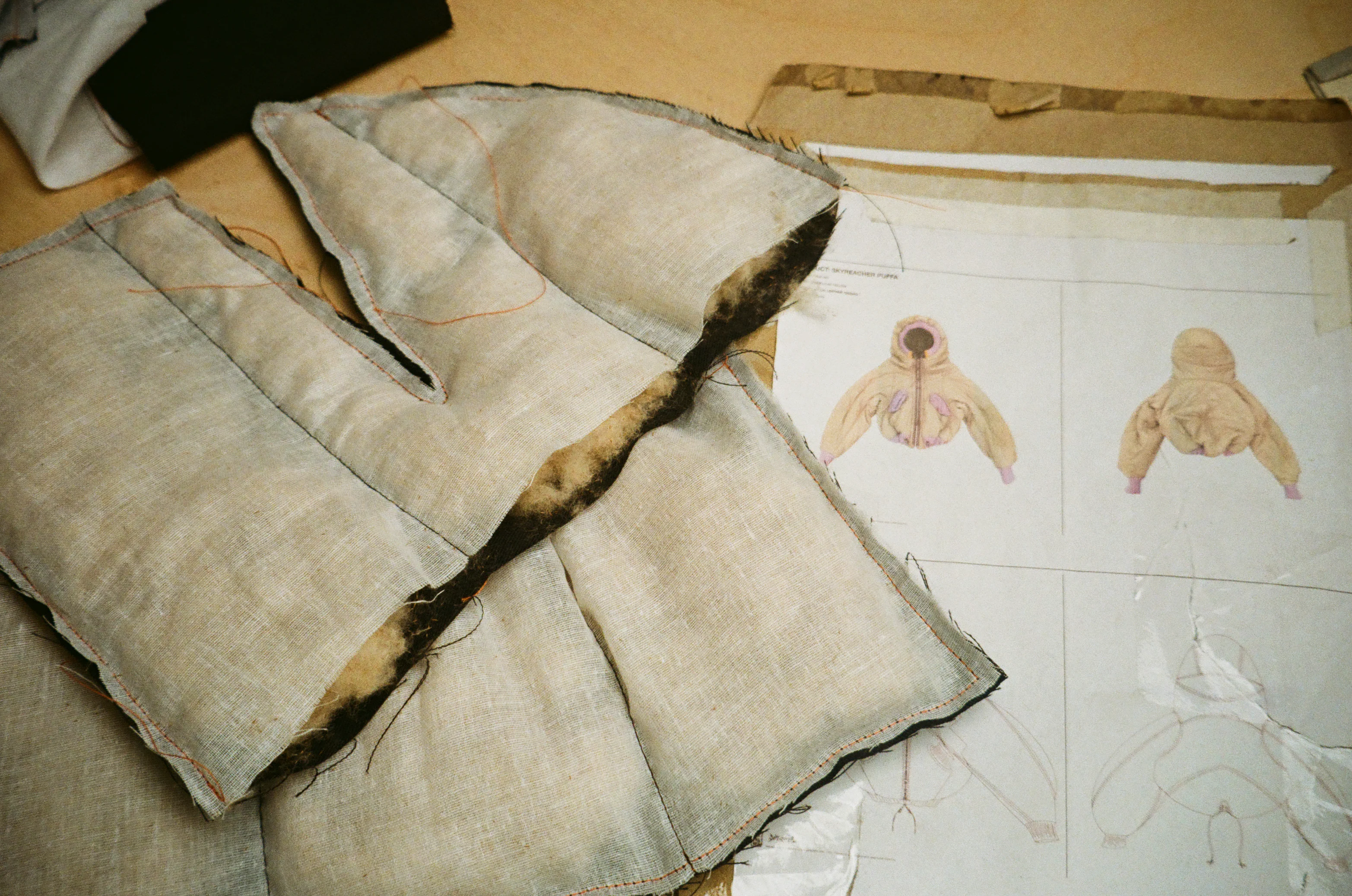
Well the brand has always had an emphasis on outerwear and heavy duty garments that can be worn in any environment, until recently I’ve imagined them in more of an urban setting, as it’s where I spend most of my time, living here in London. But with my most recent collection, Adapt, I’ve taken a real interest in reimagining the clothes in a more rural environment. I grew up in the British countryside and in recent years have found myself searching for these greener spaces again whilst living in London. Through collaborating with other artists who also value greener pastures, I’ve been evolving my designs to respond to their environments. By doing so, I feel like I’m pushing the brand to grow and avoiding creative stagnation. A big part of my design process focuses on the importance of the materials. We’re seeing a lot of change in design, designers are becoming more considerate about what fabrics they use and customers want more transparency over what they’re buying. It makes me proud to say that I use BioPuff, a regenerative product, which is sourced and produced here in the UK. It’s also a great pairing alongside the surplus and deadstock fabrics I use to bring my designs to life.
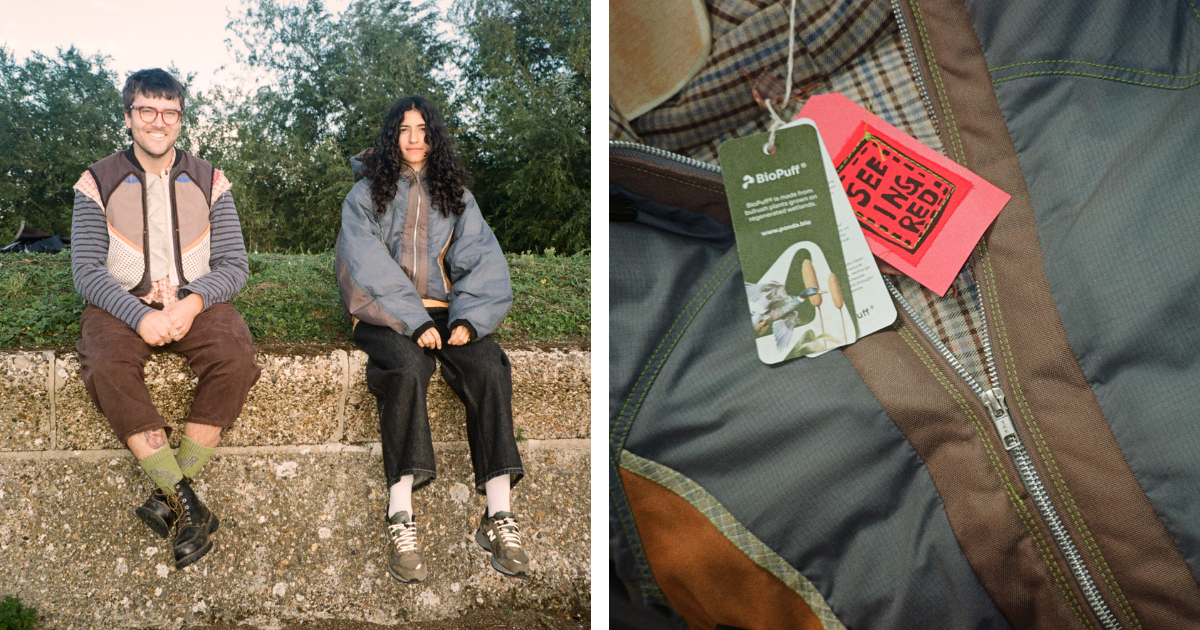
What are the biggest opportunities and challenges of working with dead-stock fabrics?
The obvious drawback is that there’s a finite amount of each fabric in each colour. Often means I can only produce a pretty small amount of each garment, but in a lot ways that’s worked really well for me over the years. Customers are aware of how the production / commission process works and are happy to receive something unique each time.
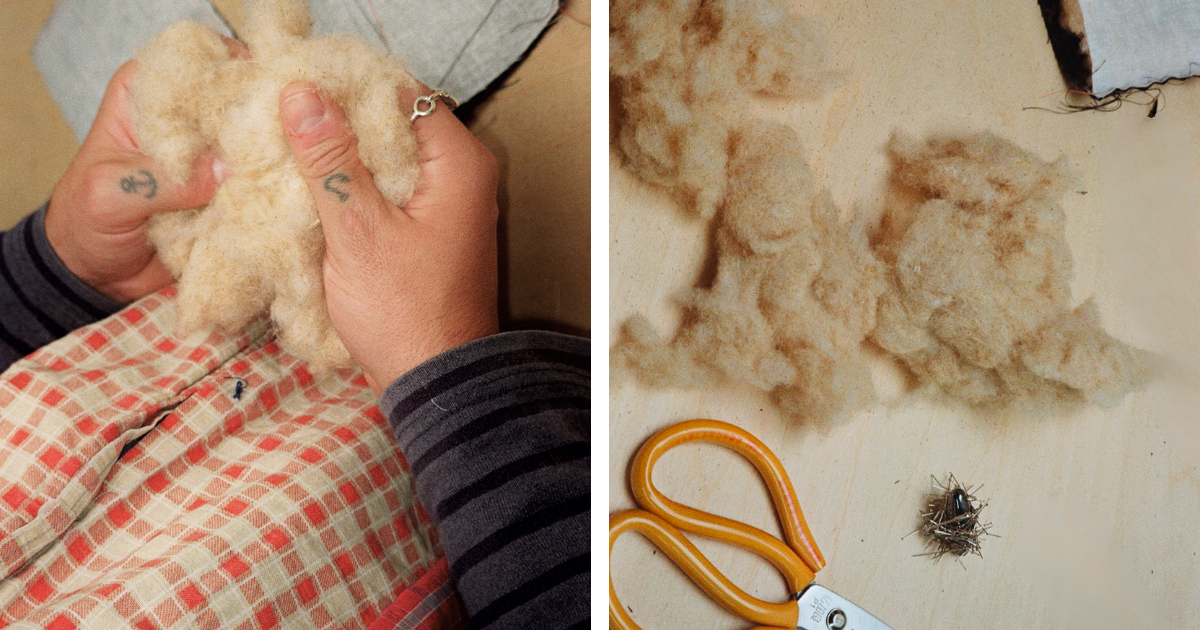
If you could see anyone in the world wearing one of your designs, who would it be – and why?
Always a struggle answering this question. If I’m being honest, there’s not really any single person I fawn over enough to give an answer! Bit boring I know, but ultimately if you can style the clothes I make well & look great whilst doing it, that’s who I want to have wearing what I make. I love to see my stuff out in the wild. Brings me a lot of joy :)
What is your favourite piece you’ve made with a Ponda product?
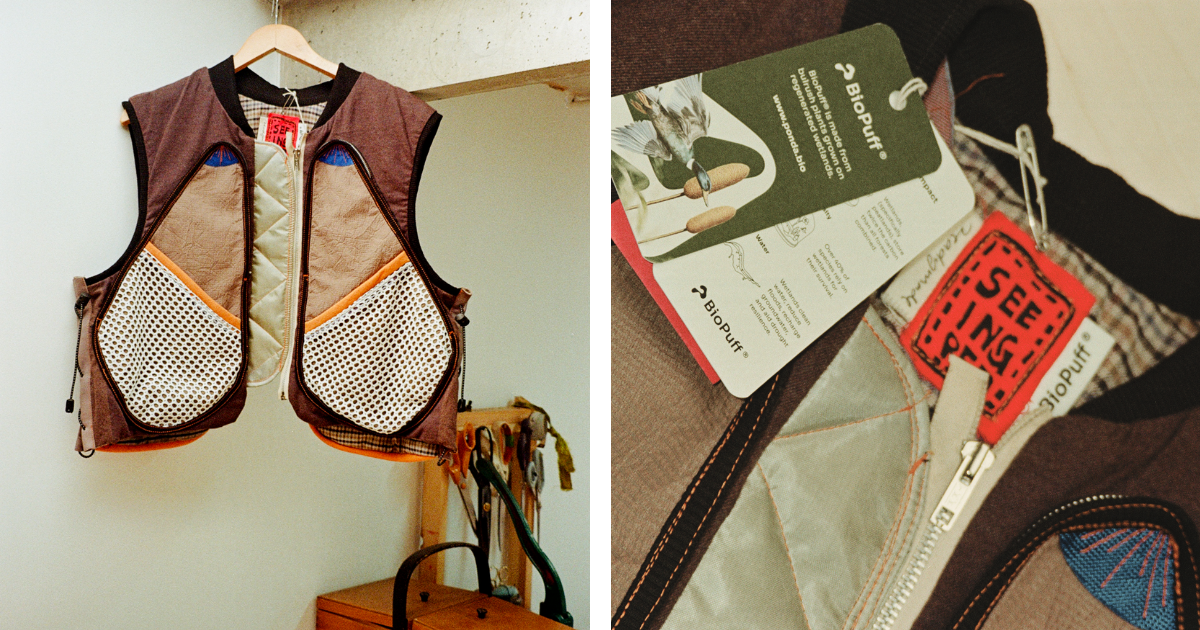
Oooh that’s either got to be the fly-wing vest or the Skyreacher jacket. It makes both of them feel so premium. Real loftiness to the pieces that previously I couldn’t achieve with the synthetic wadding I’d used in the past.
What advice would you give to emerging designers who want to create more sustainable garments?
I’d say : don't do what I did and think you know all there is to know about fabric. You’re constantly learning and discovering new things. A mate of mine (Kassim) introduced me to BioPuff after he visited the future fabrics convention and it was a real wake up call! I’m still yet to visit the convention, but I’m really looking forward to the next one so I can learn more and bring more experimental fabrics into the brand.
Follow Fred’s journey on Instagram: @_seeing_red__
Discover more at seeing-red.co.uk
Commissions are now open — reach out via Instagram to discuss a piece of your own.

.png)