Wear the Wetland
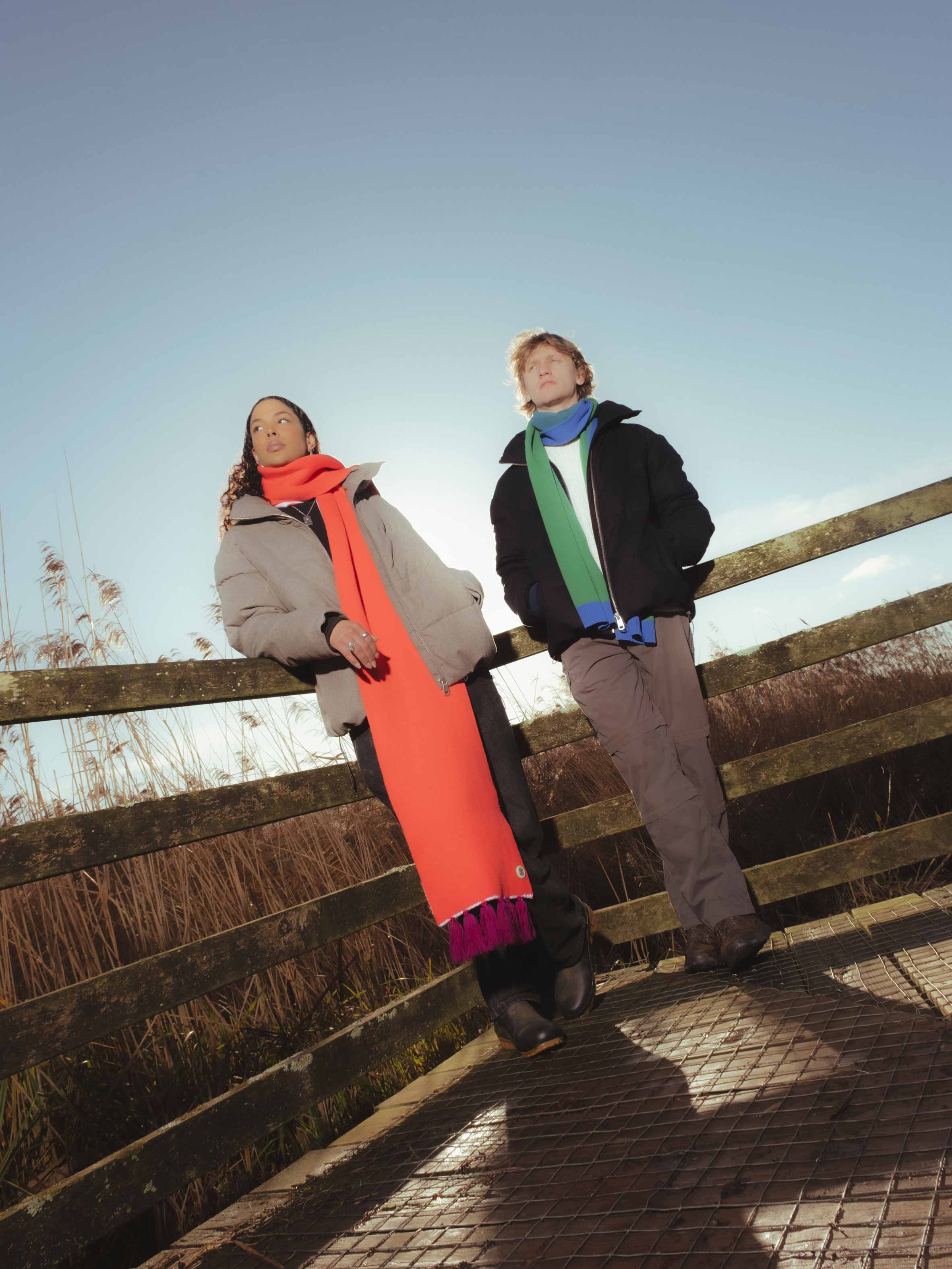
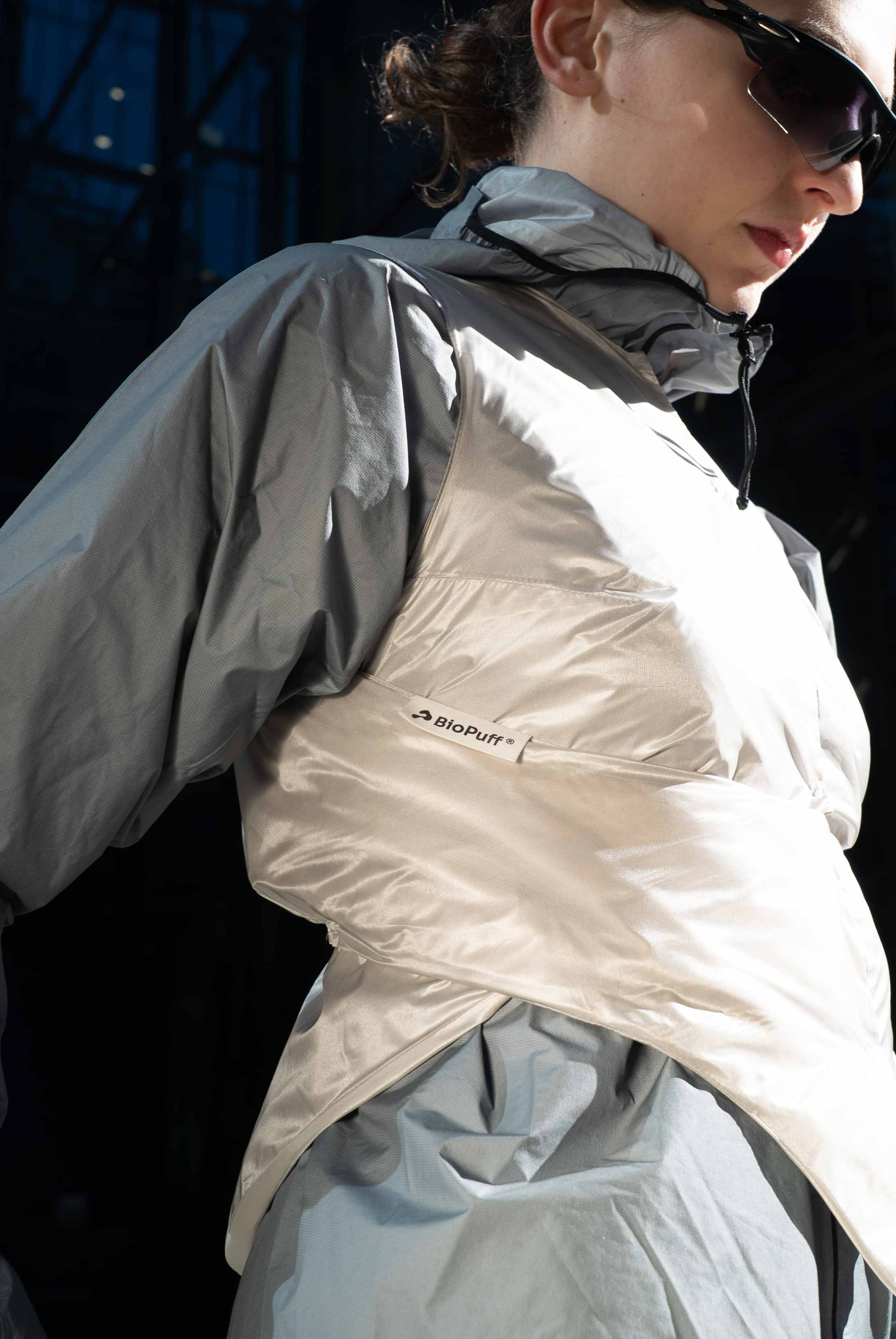
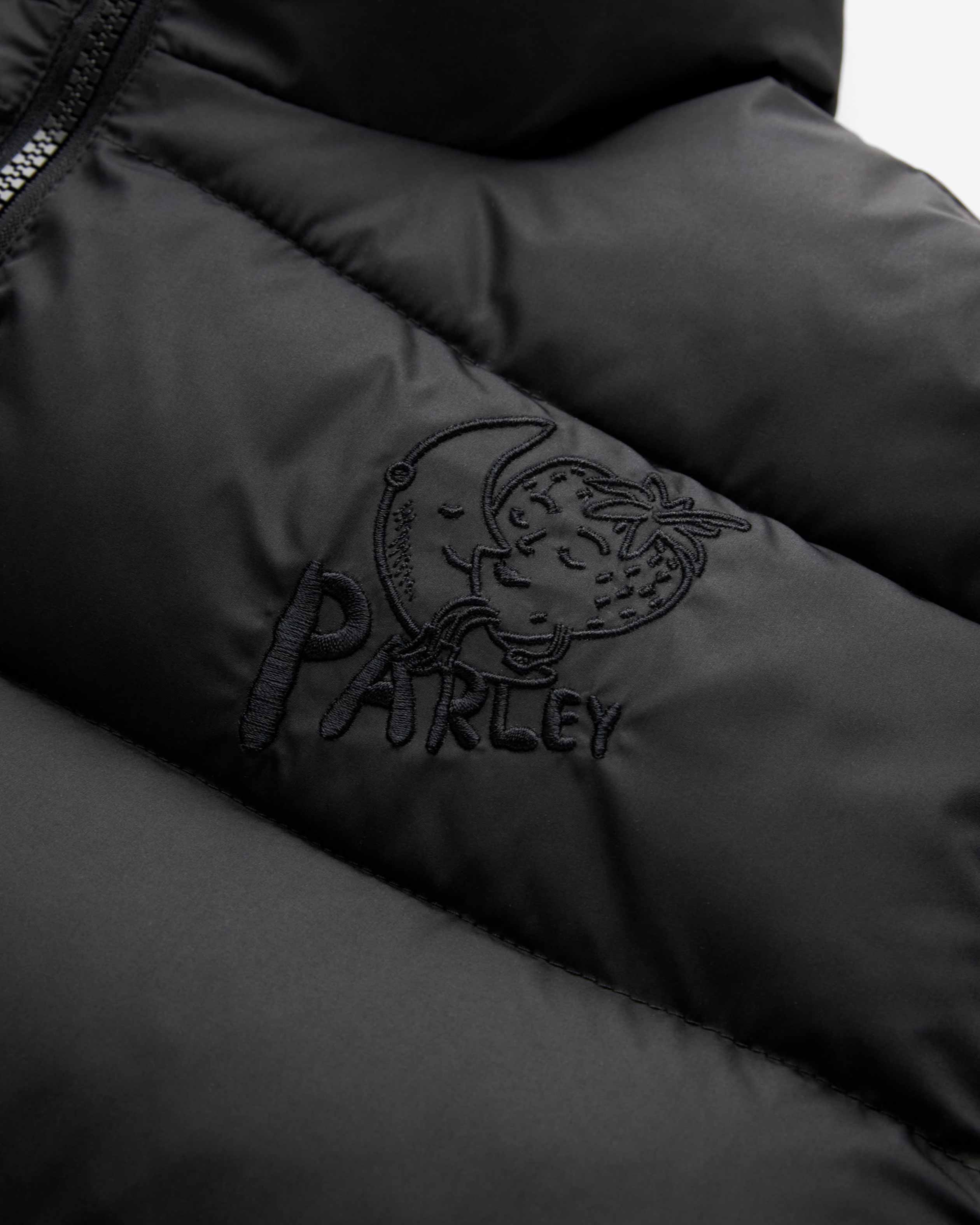
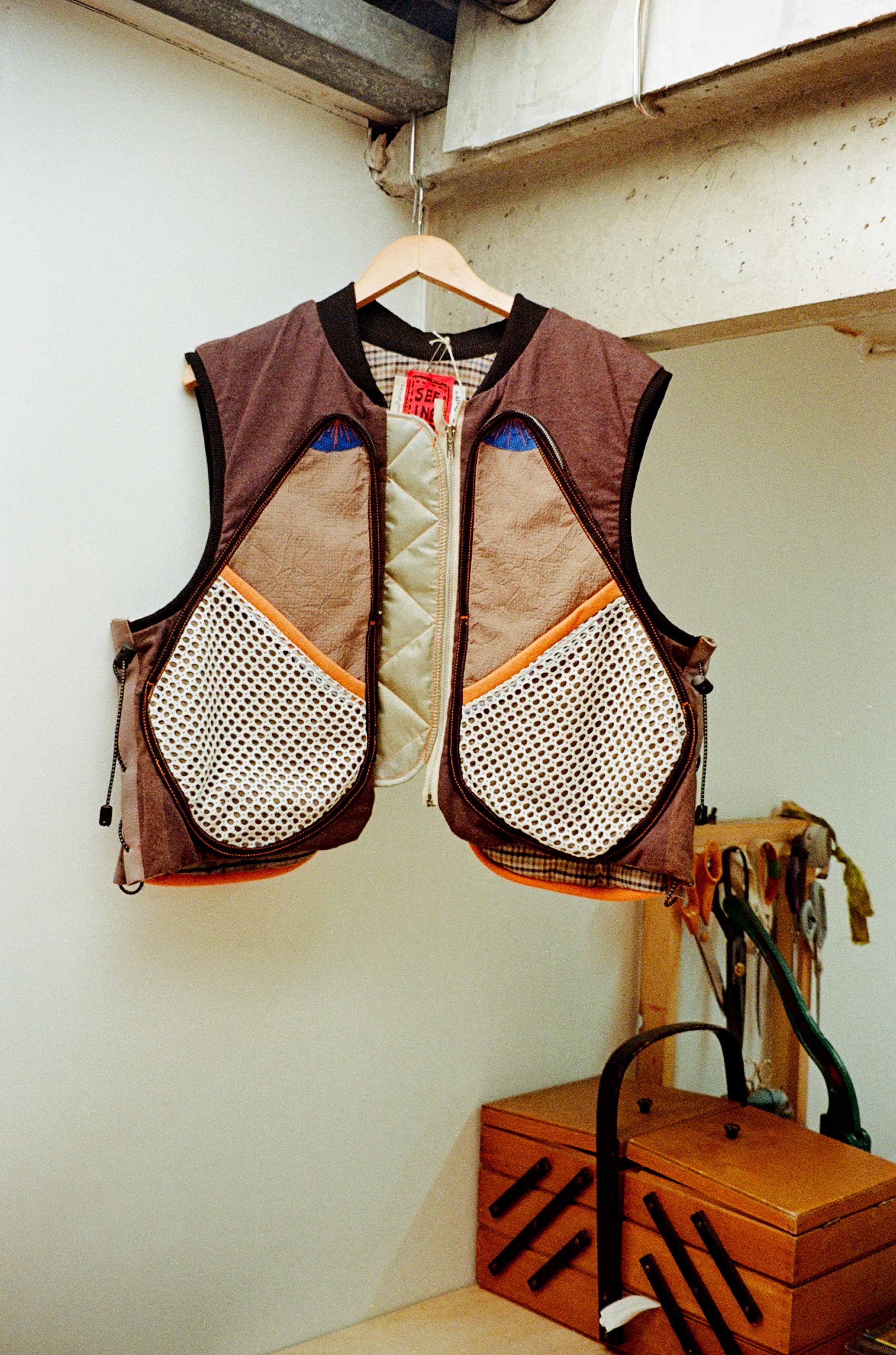
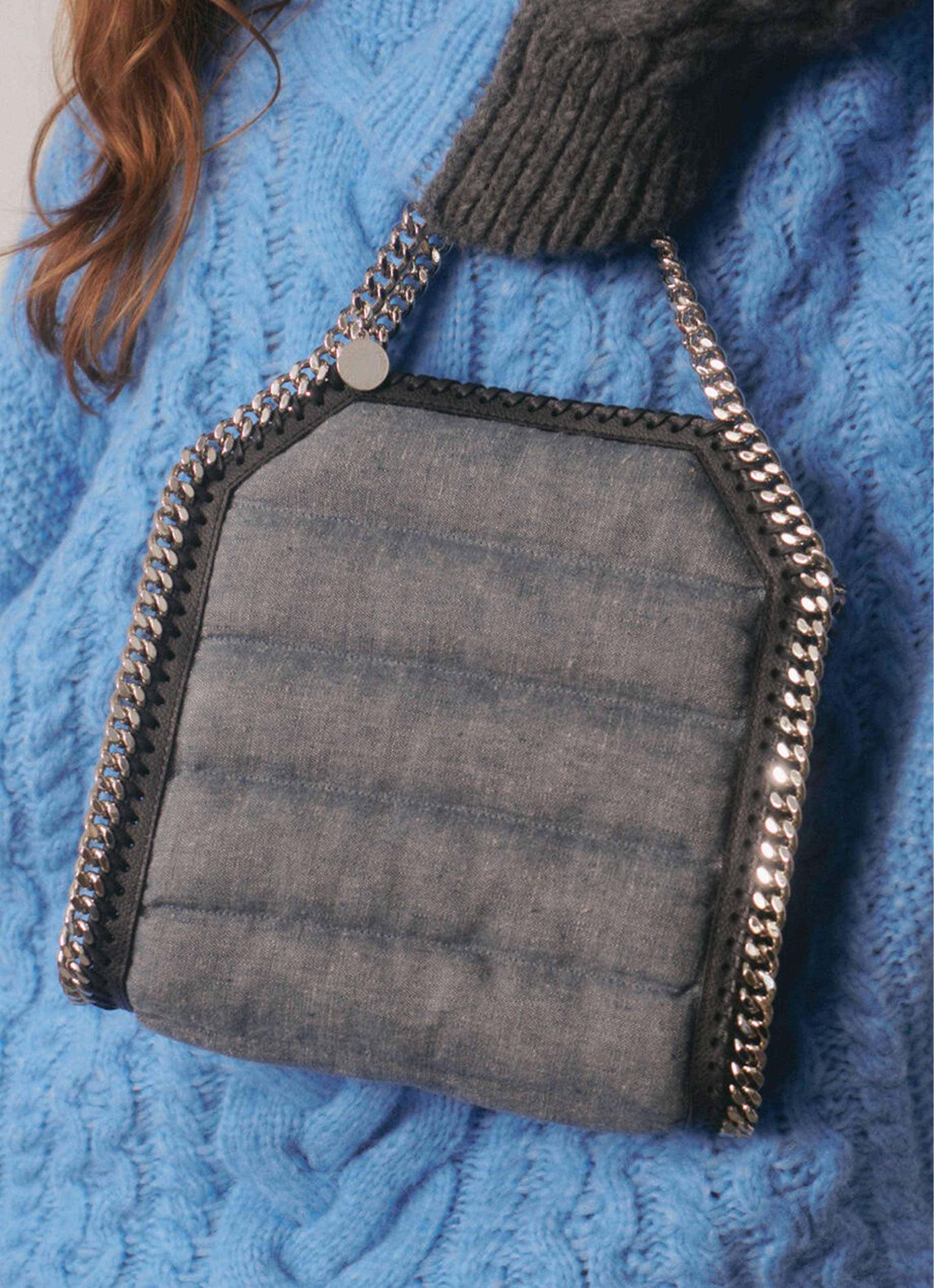
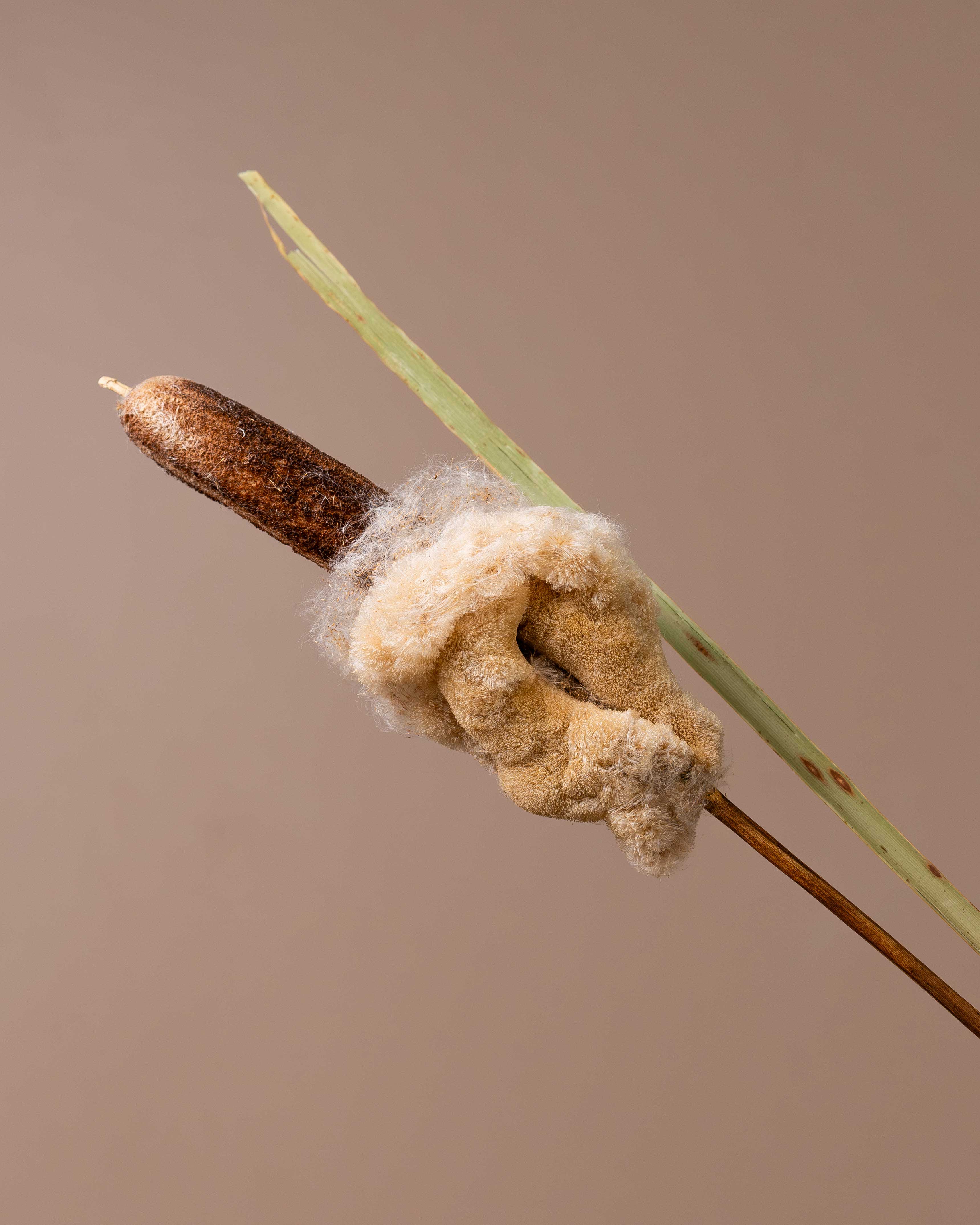
Ponda creates branded products for organisations, insulated with BioPuff®, our signature material made from bulrushes grown on regenerated wetlands.
.png)



Our Technology
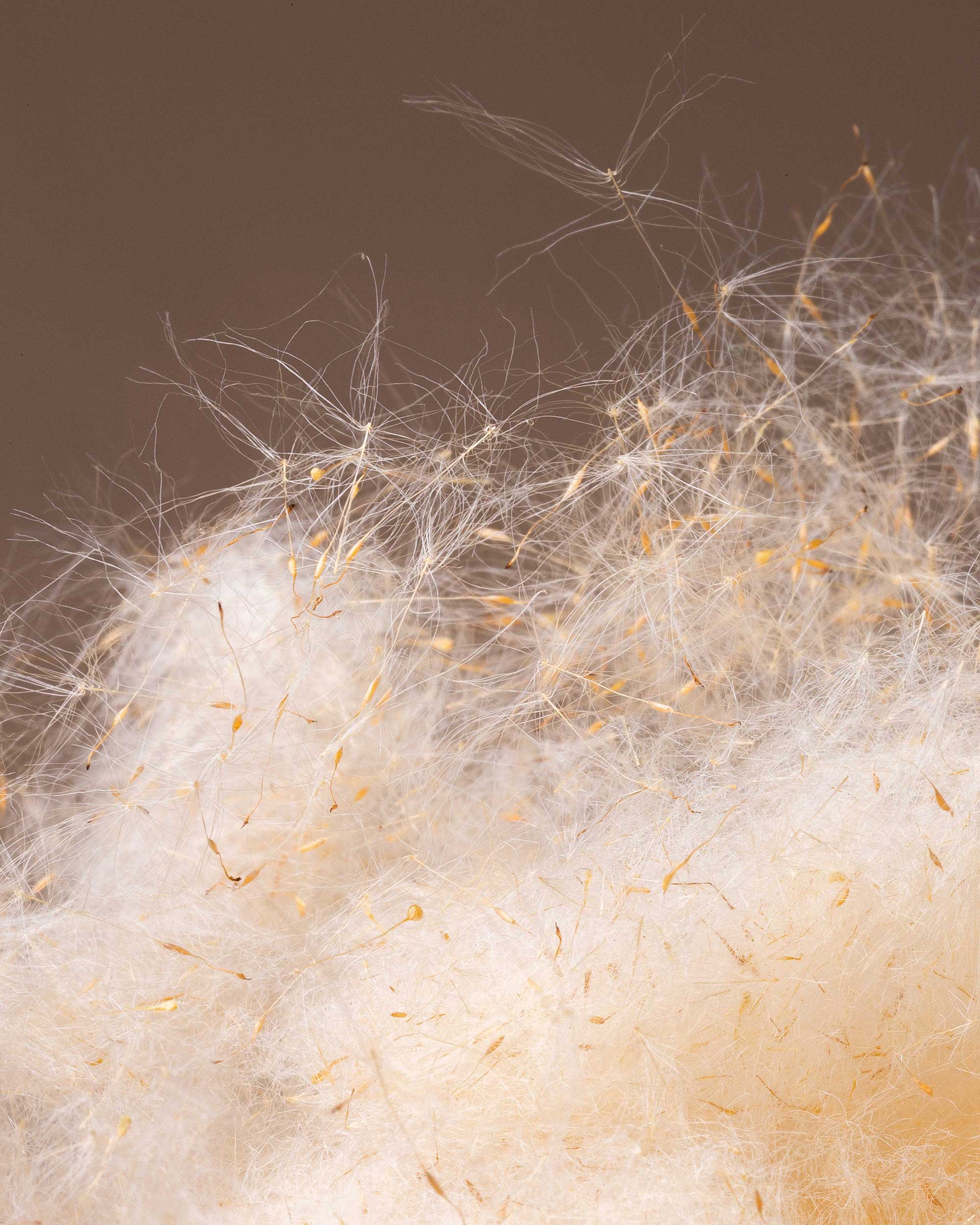
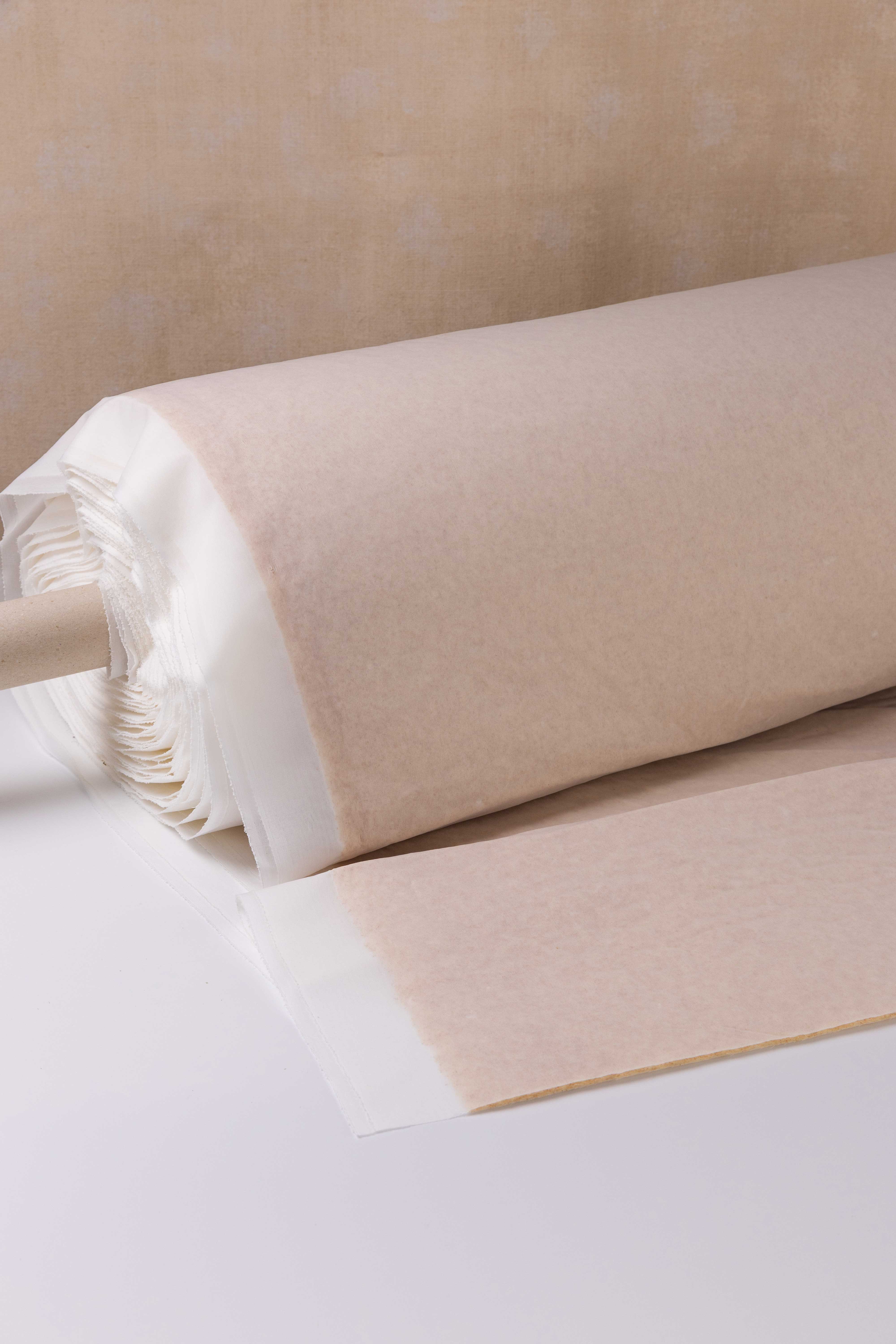
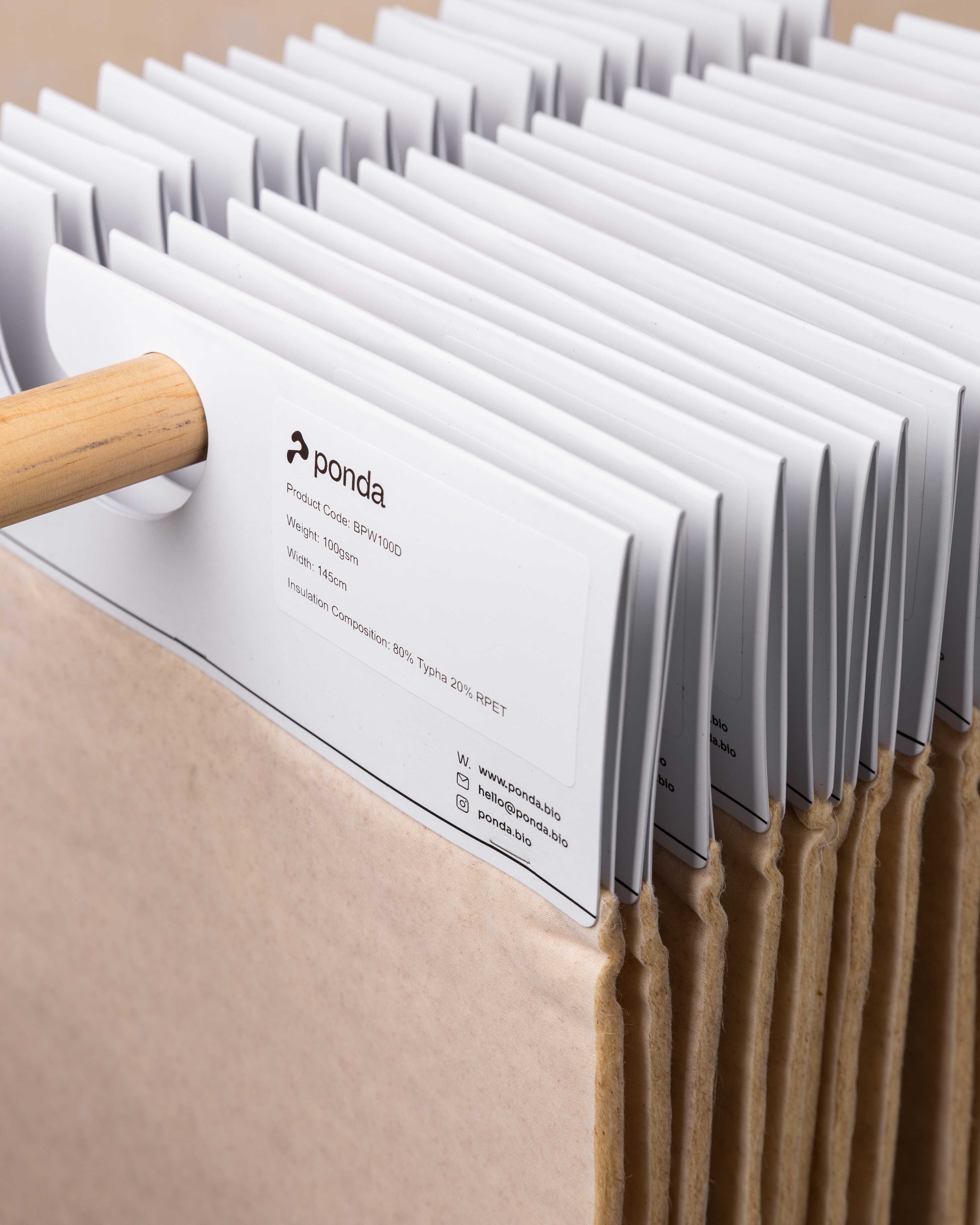
Lightweight, warm, and naturally water repellent. BioPuff® is a cruelty-free insulation, traceable all the way from plant-to-puffer.
BioPuff® Wadding is an insulation designed to keep you warm whilst regenerating some of our most precious ecosystems. This next-generation insulation, which reduces reliance on feather and synthetic fillers, is created by extracting fibres from plants that aid in wetland regeneration.
BioPuff® Features


end-of-life*
Ponda's biomaterials will lead to a net-reduction in carbon emissions, create sanctuaries for biodiverse ecosystems, build climate resilience, and protect farmers' livelihoods.
By replacing your current jacket filling with BioPuff® you could support…
of healthy wetland
regenerated
CO2eq/yr avoided
emissions
Litre water stored
Avian density
Regenerative Agriculture
wet again.
What is Paludiculture?
Paludiculture ("wetter-farming") is the practice of farming on wetlands, such as rewetted peatlands, bogs and fens. Peatlands are naturally some of the oldest and most healing environments on our planet. They're estimated to hold over 40% of all soil carbon, twice as much as all forests in the
world combined.
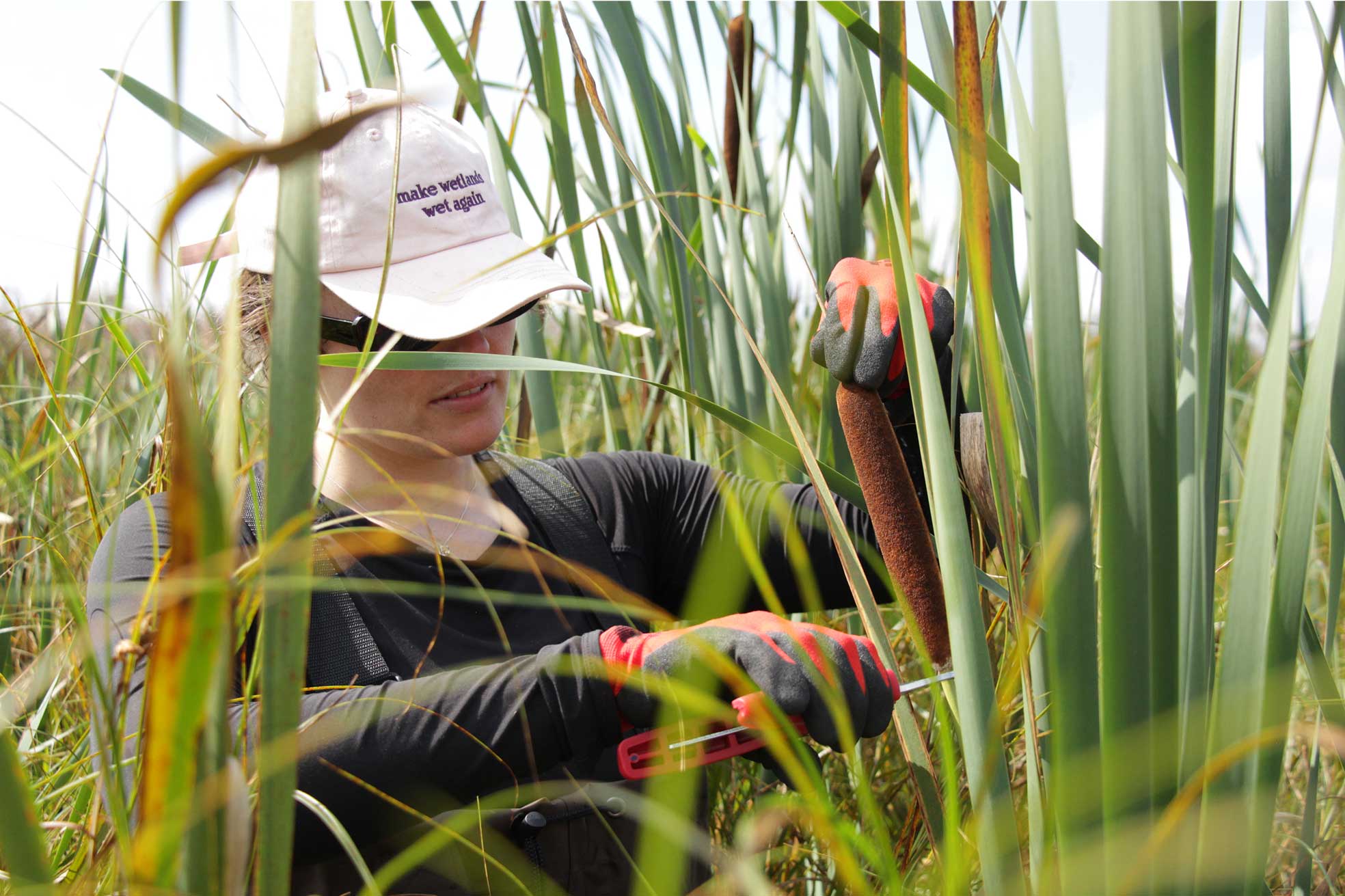
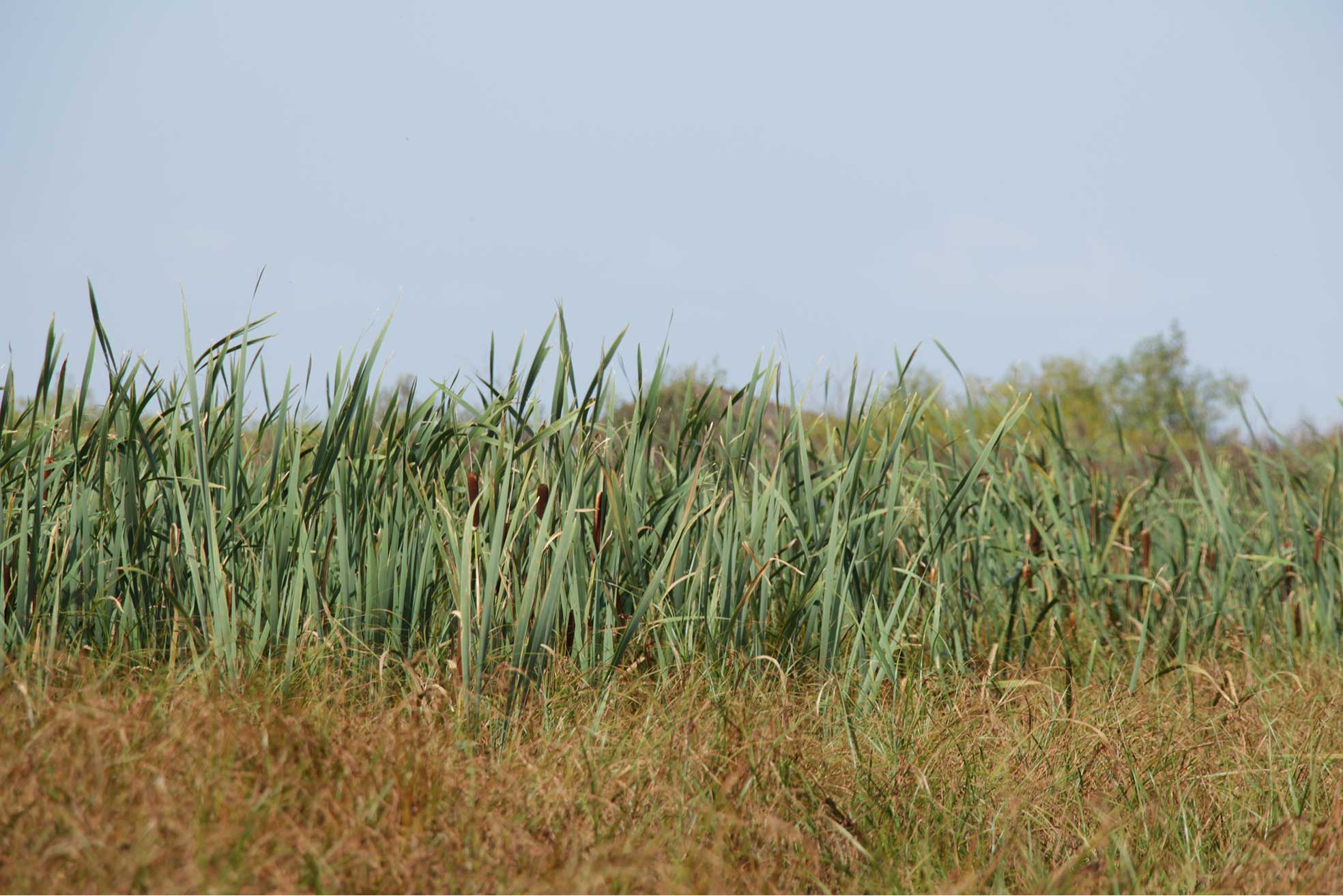
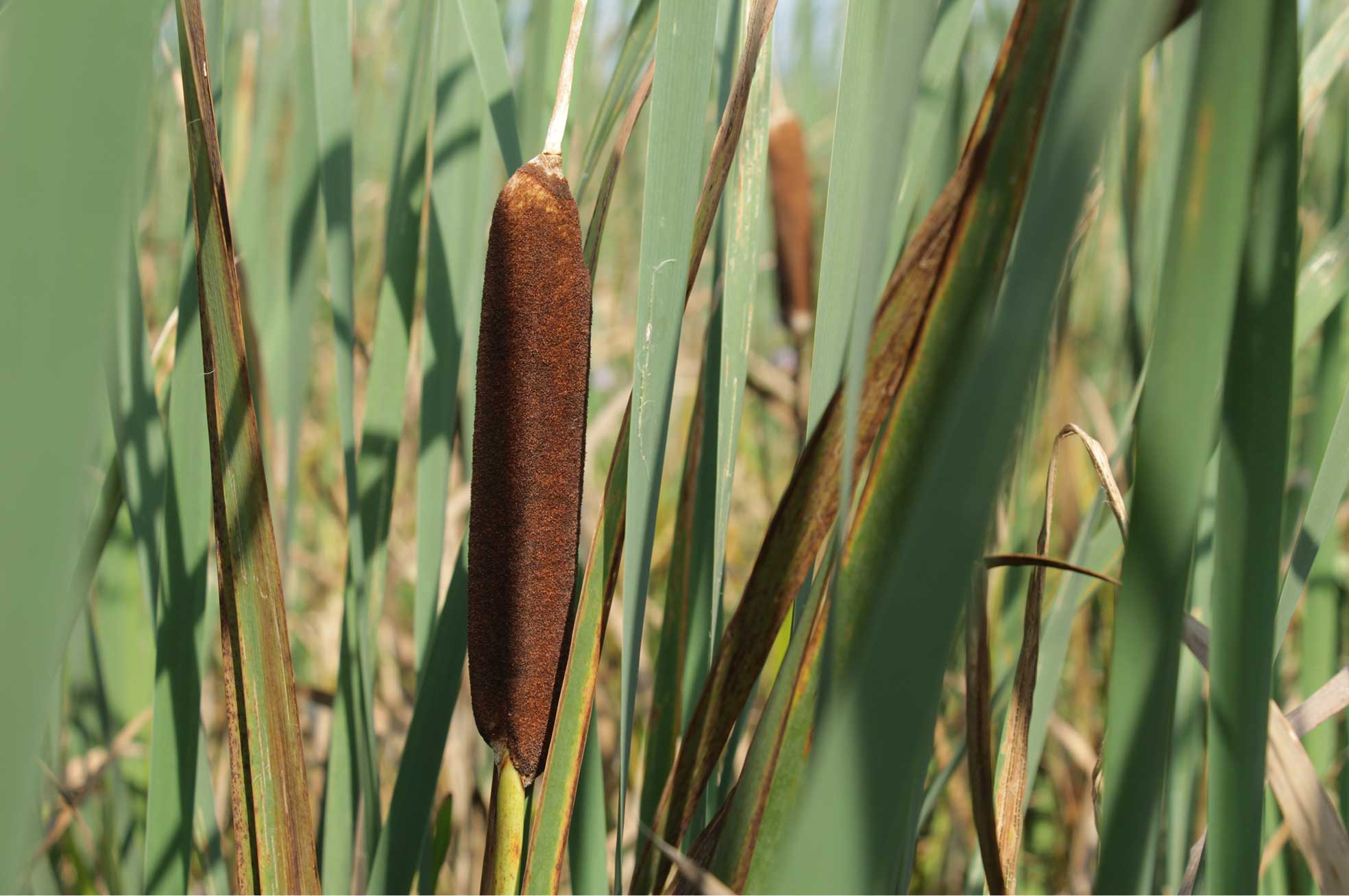
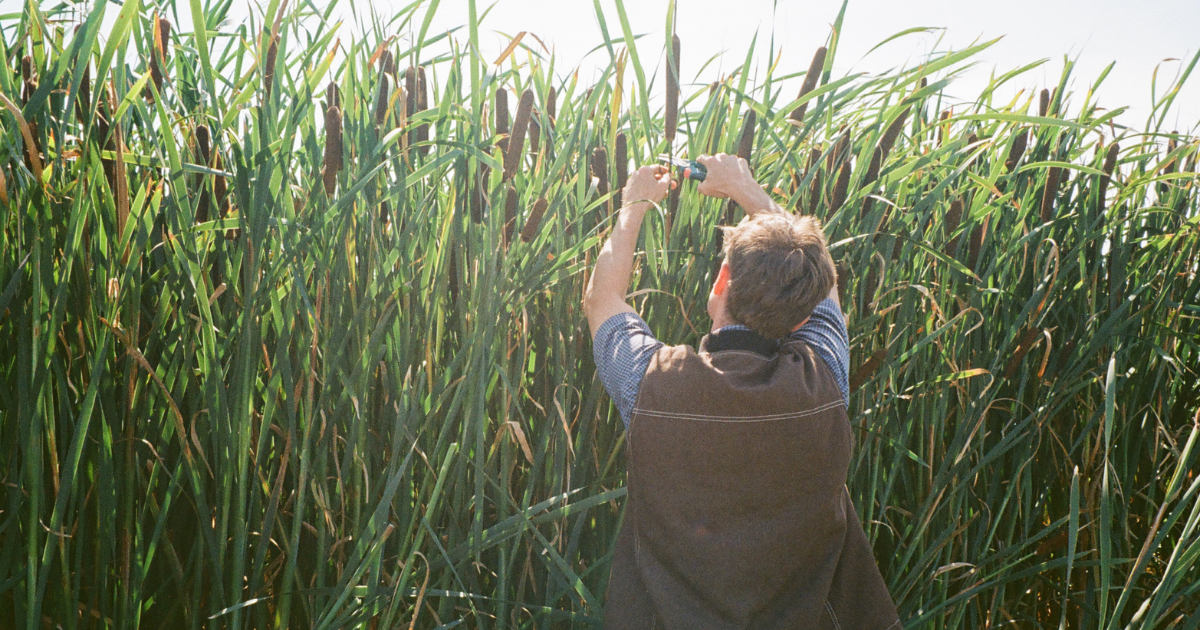
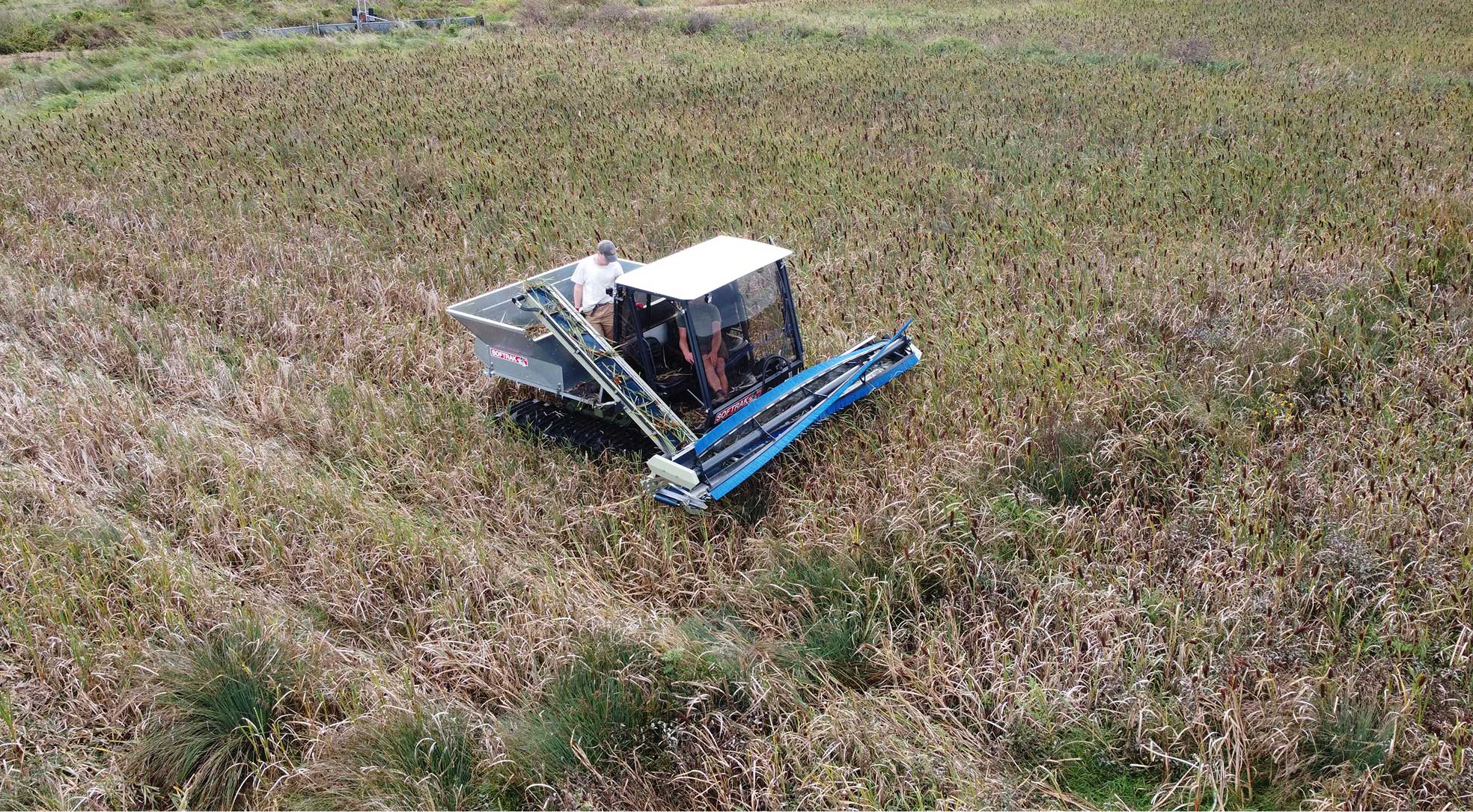
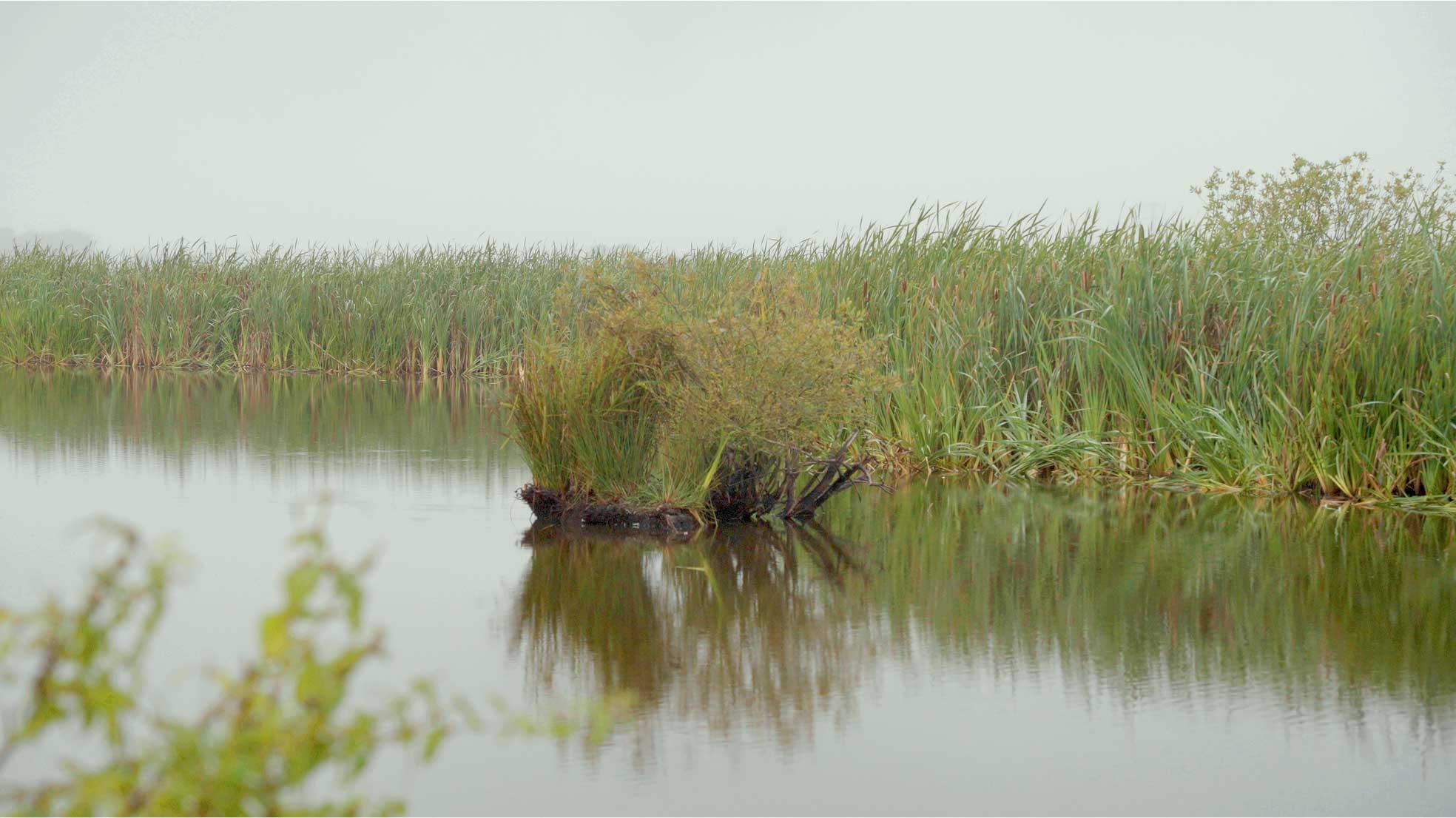
Regenerating wetlands with Typha Latifolia: A sustainable solution that sequesters carbon, supports biodiversity, and sustains farmers' livelihoods.
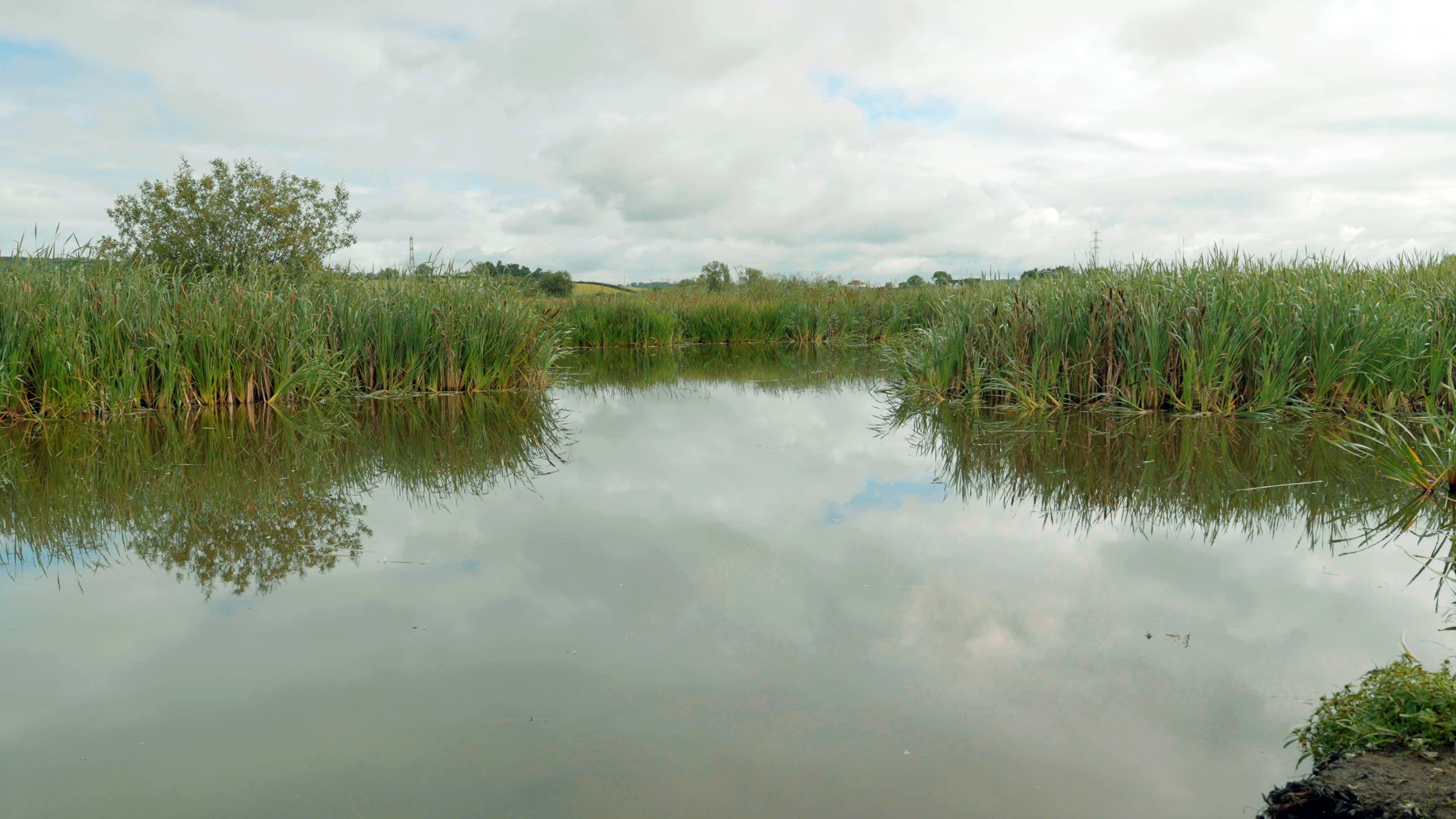
Ponda works with farmers, landowners, and conservation partners to restore drained wetlands by cultivating Typha latifolia, a plant naturally suited to wet environments. Through paludiculture, degraded and carbon-emitting land can be brought back into productive use while delivering environmental gains.
Typha is a fast-growing, low-input crop that is well suited to wet conditions. It helps lock away carbon in both biomass and soils, while also rebuilding habitats that support biodiversity. Rewetted wetlands act as natural sponges, slowing and storing water during heavy rainfall and reducing downstream flood peaks. Dense stands of Typha further improve water retention and strengthen landscape resilience, while also providing an economically viable option for land that is often unprofitable under conventional land use systems.
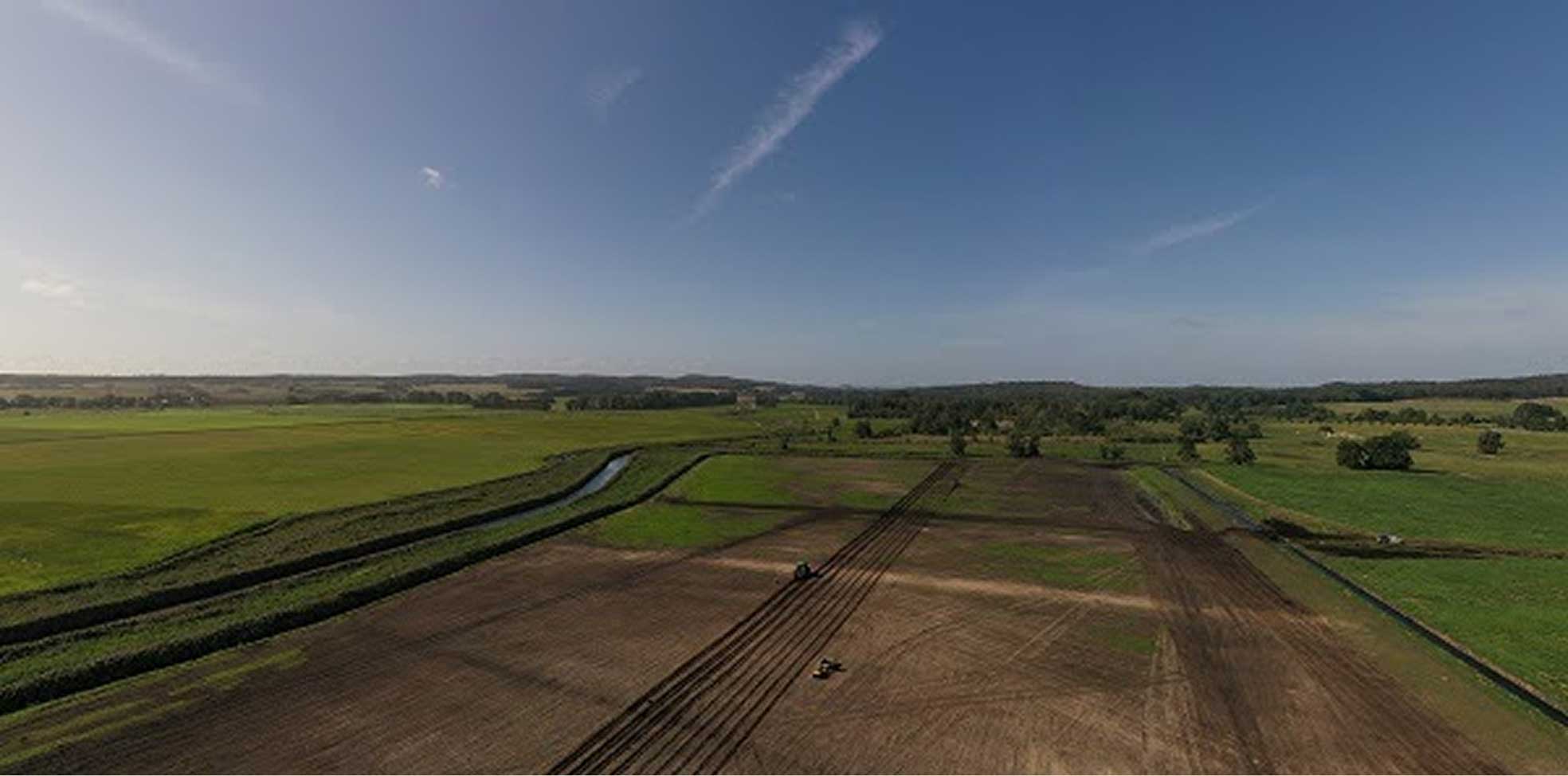
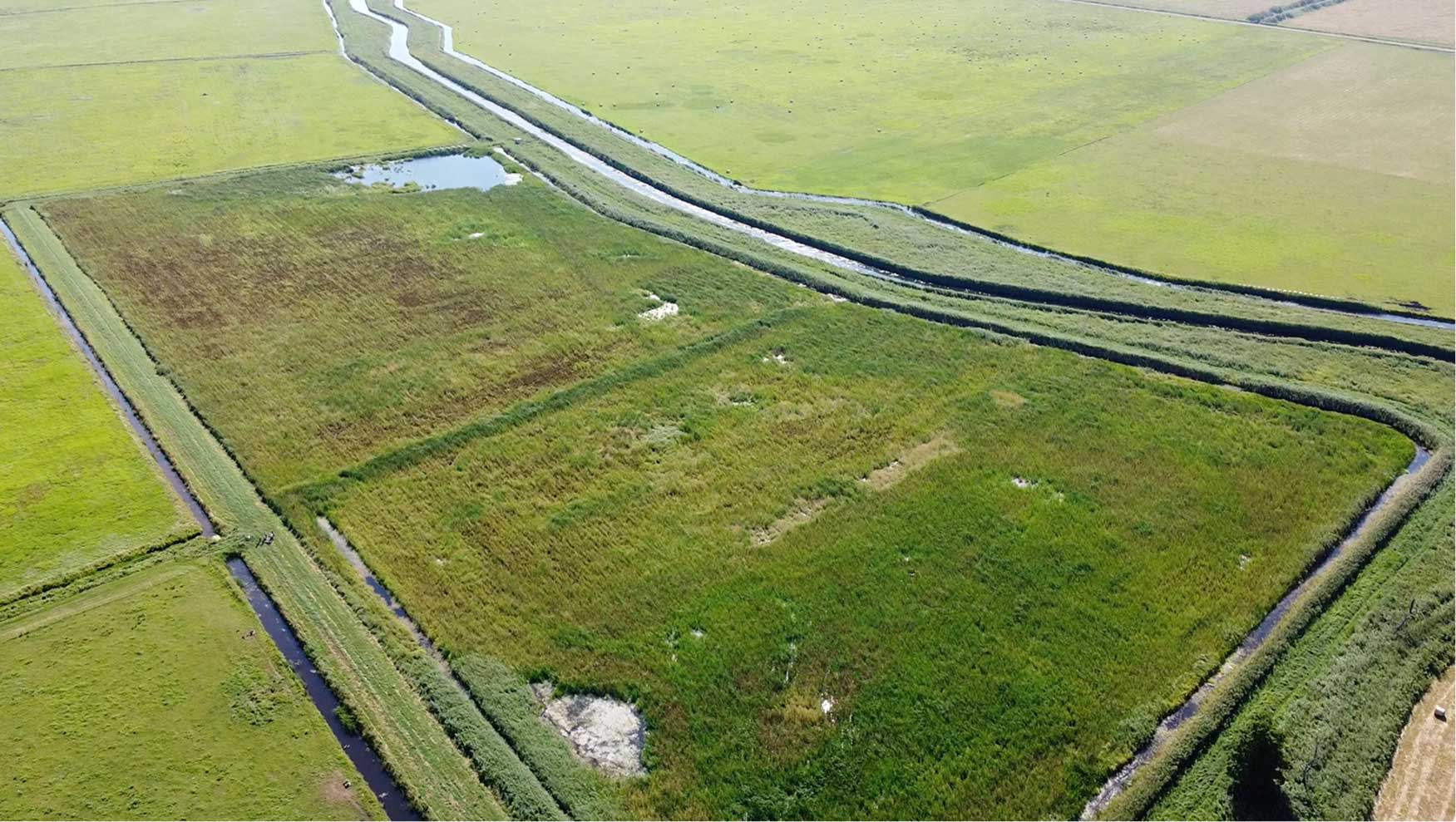
Benefits from doing paludiculture
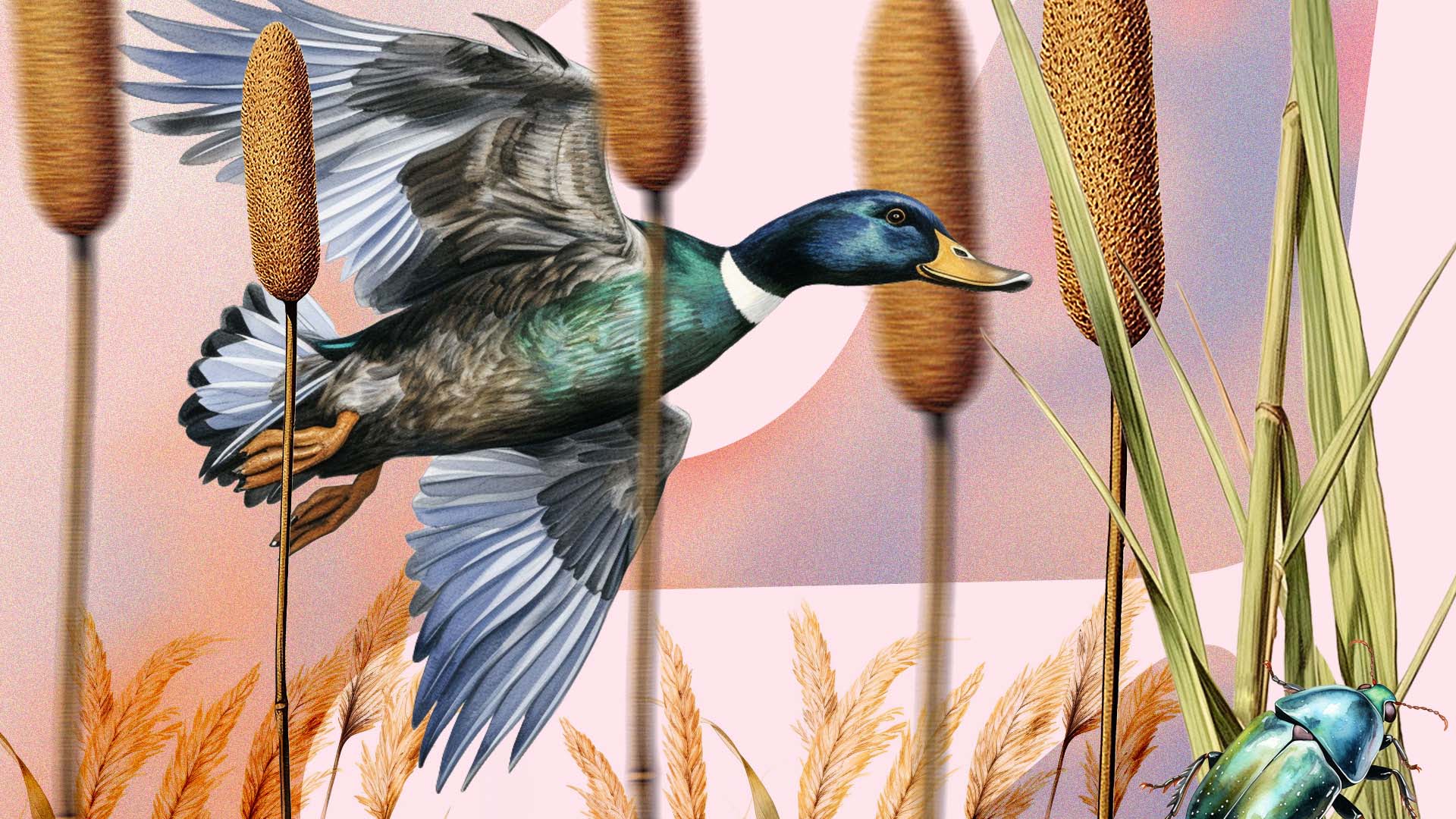
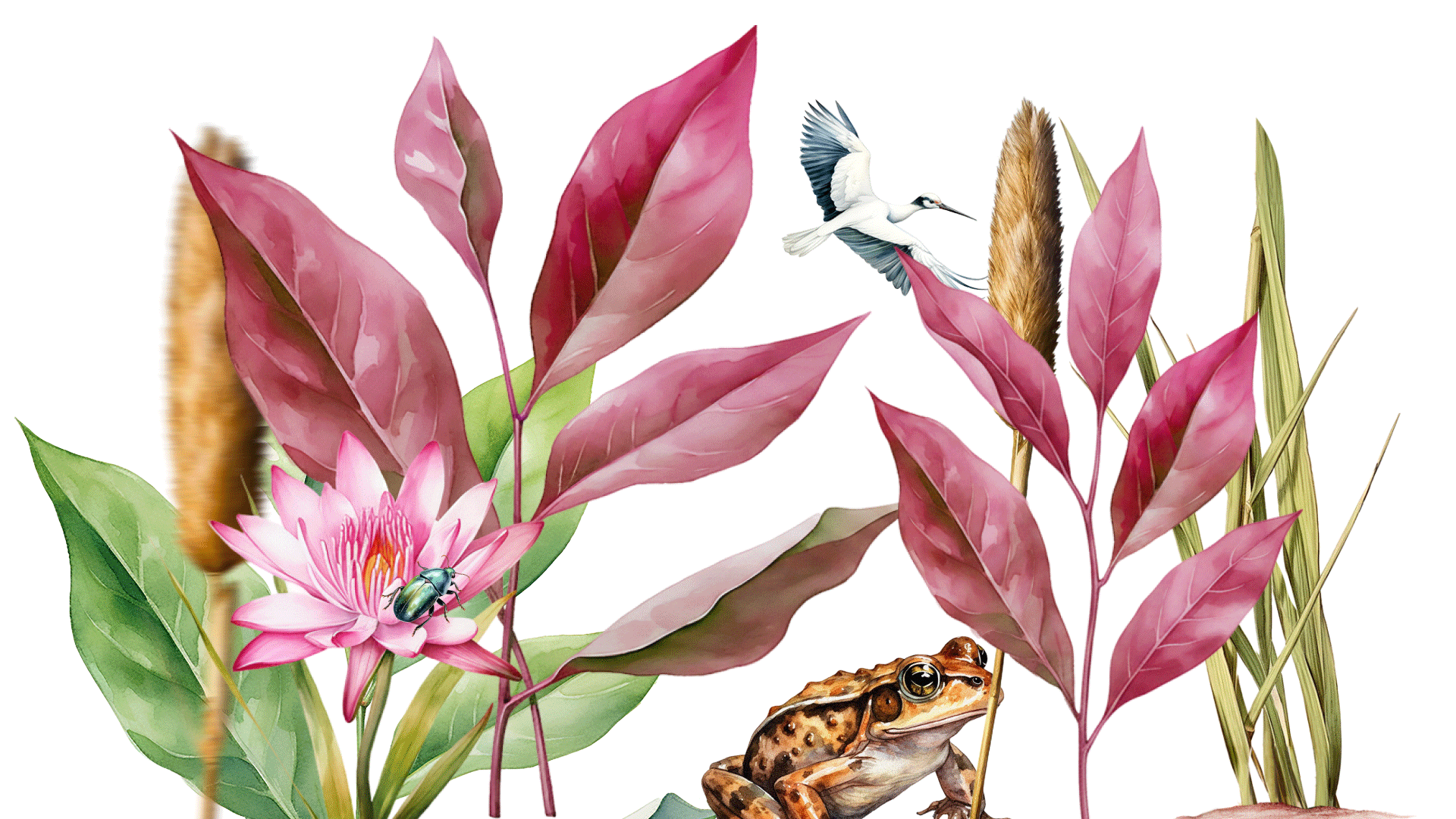
Globally, 40% of all plants and animals live and breed in wetlands (IUCN, 2020). By re-wetting peatlands and wetlands, we can create spaces that protect and enhance biodiversity, from migratory birds to insects and even snakes!
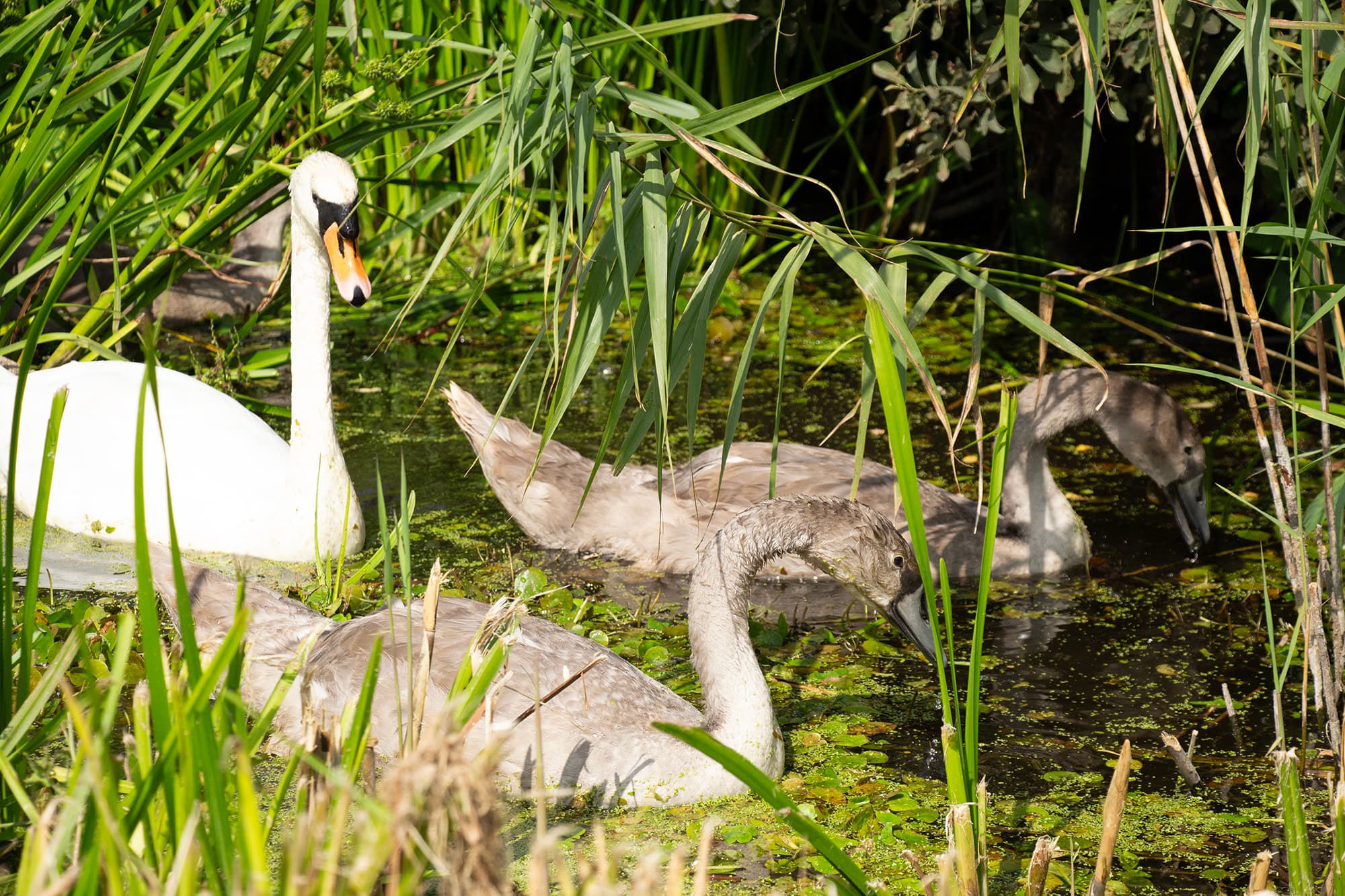
We create and nurture natural wetland environments that sequester and store large amounts of carbon. By combining direct and negative emissions, including the conversion of residue to biochar and changes in land use, our approach results in a significant -42.76 kg CO2e for every 1 kg of BioPuff®. This means our product stores more carbon than it emits, aligning our actions with the regeneration of the planet!
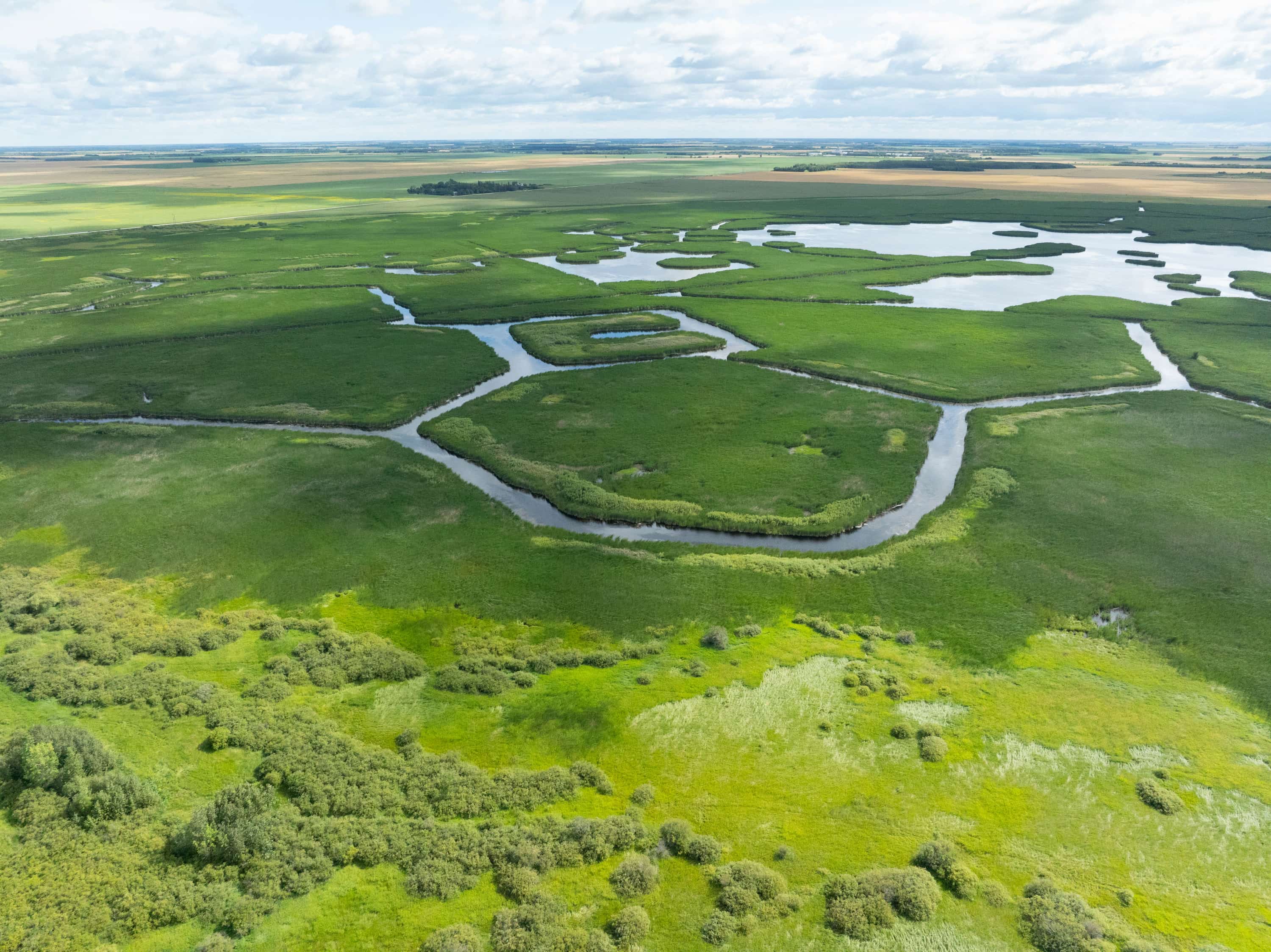
The land area used to produce BioPuff® is only 0.002 ha per kg, compared to 0.067 ha of goose down (IDFB Report, 2019). On the other hand, Typha latifolia's water purification and plant growth control, as seen in the Terrestrial Eutrophication Indicator at 3570 mol N-eq, indicate the potential of BioPuff® for mitigating eutrophication through the use of bulrushes.
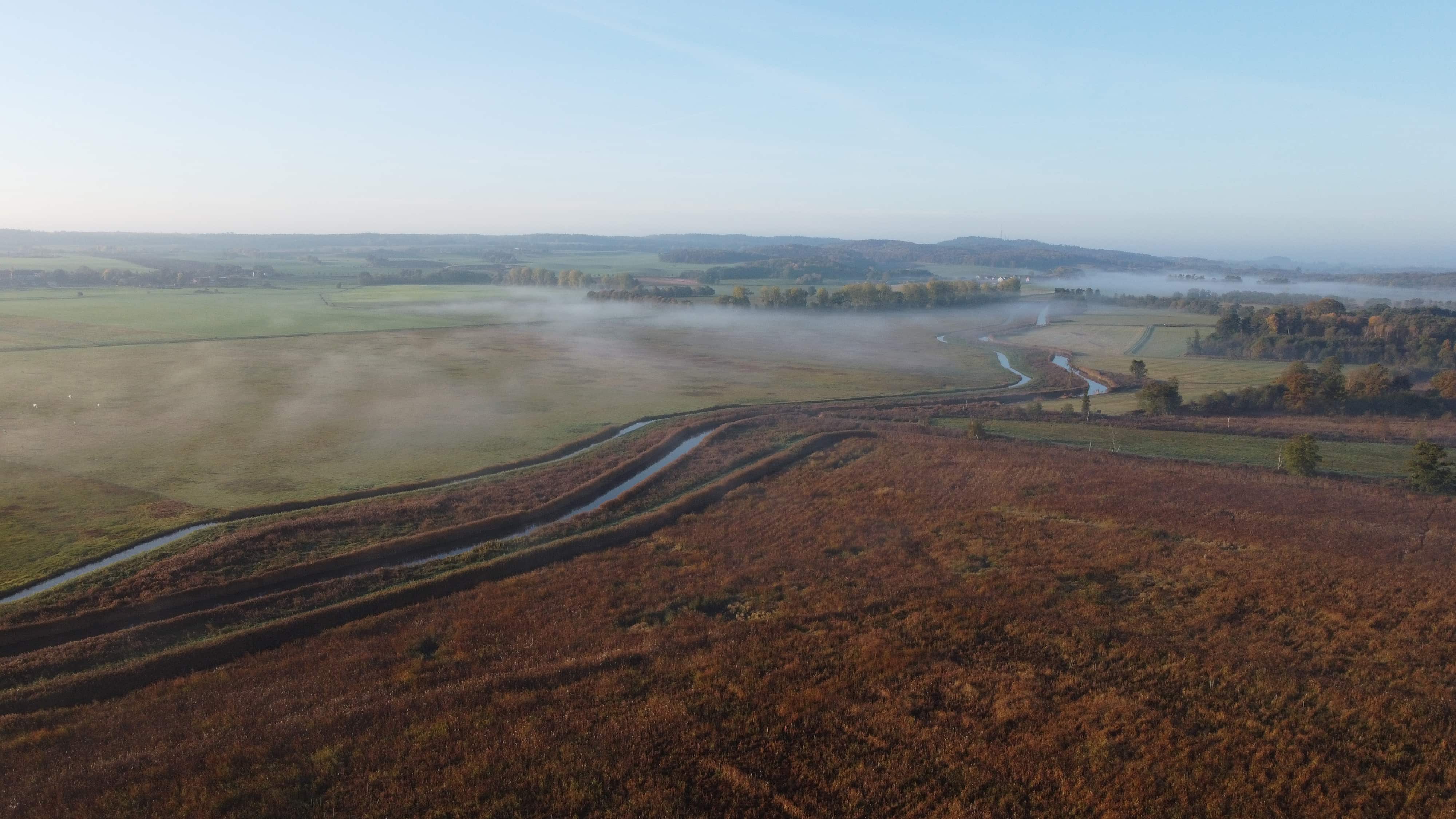
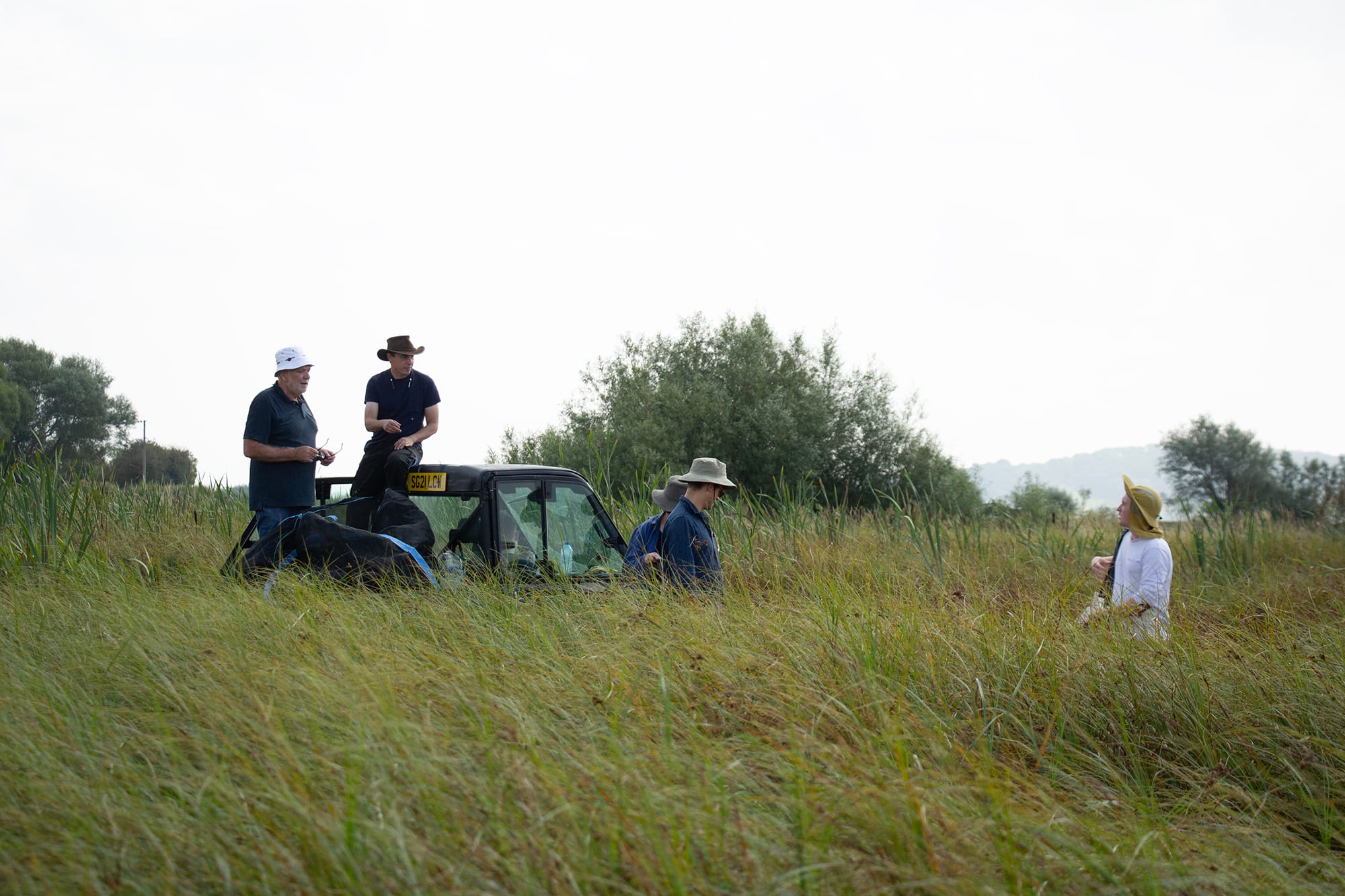
Re-wetting lands offers a range of benefits for farmers, including increased resilience, higher income, and a stacked revenue model. This sustainable practice represents a resilient and sustainable landscape for social, economic, and environmental interests.
Wetlands help regulate water by slowing and holding it, reducing flooding downstream. Full restoration can cut flood peaks by up to one-third, with Typha helping landscapes better handle heavy rainfall.Typha also helps clean the water by absorbing excess nutrients like nitrogen and phosphorus, improving the health of rivers and lakes.
Get in touch