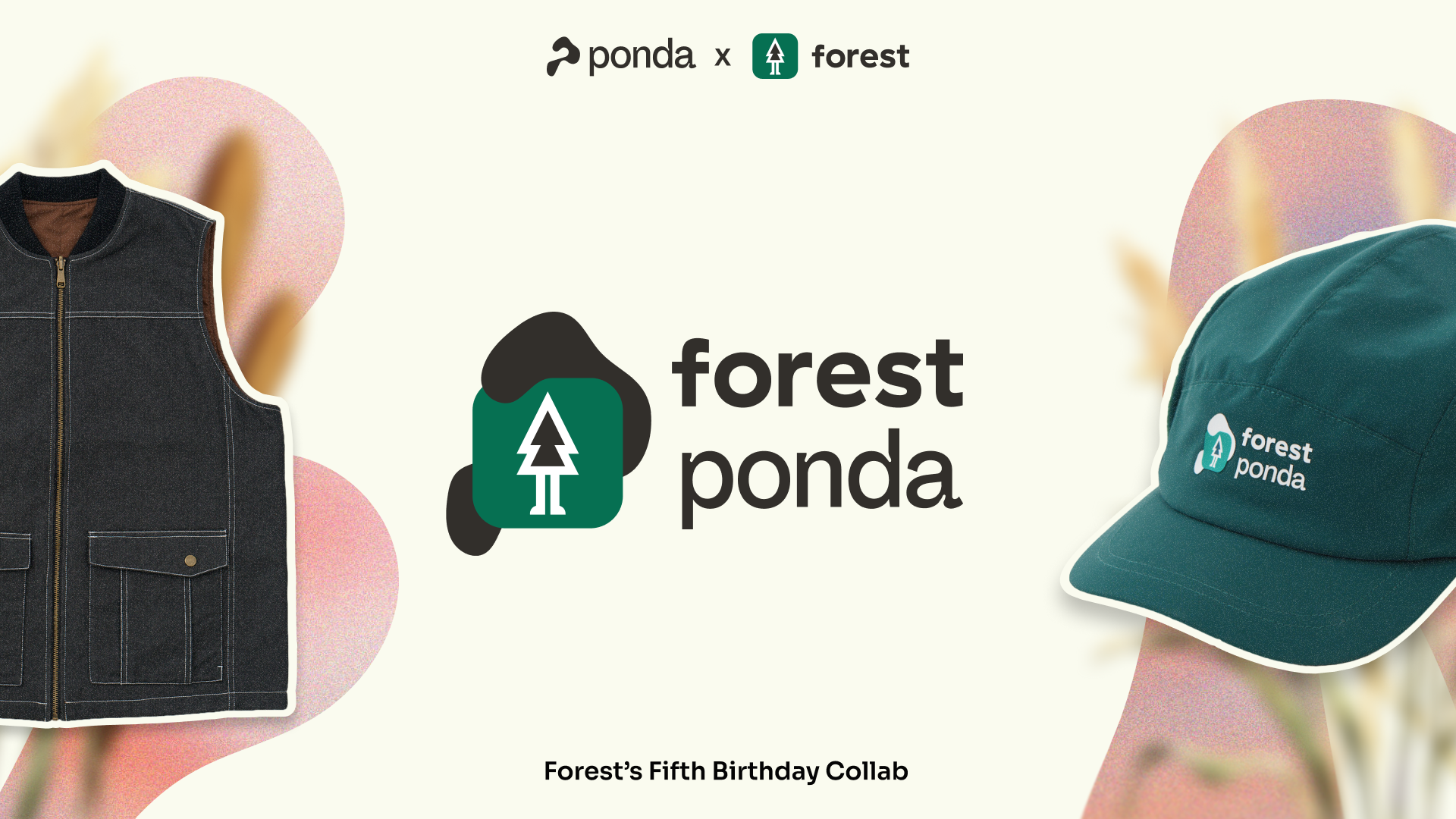
Ponda x Forest | A gilet and cap for Forest’s fifth birthday
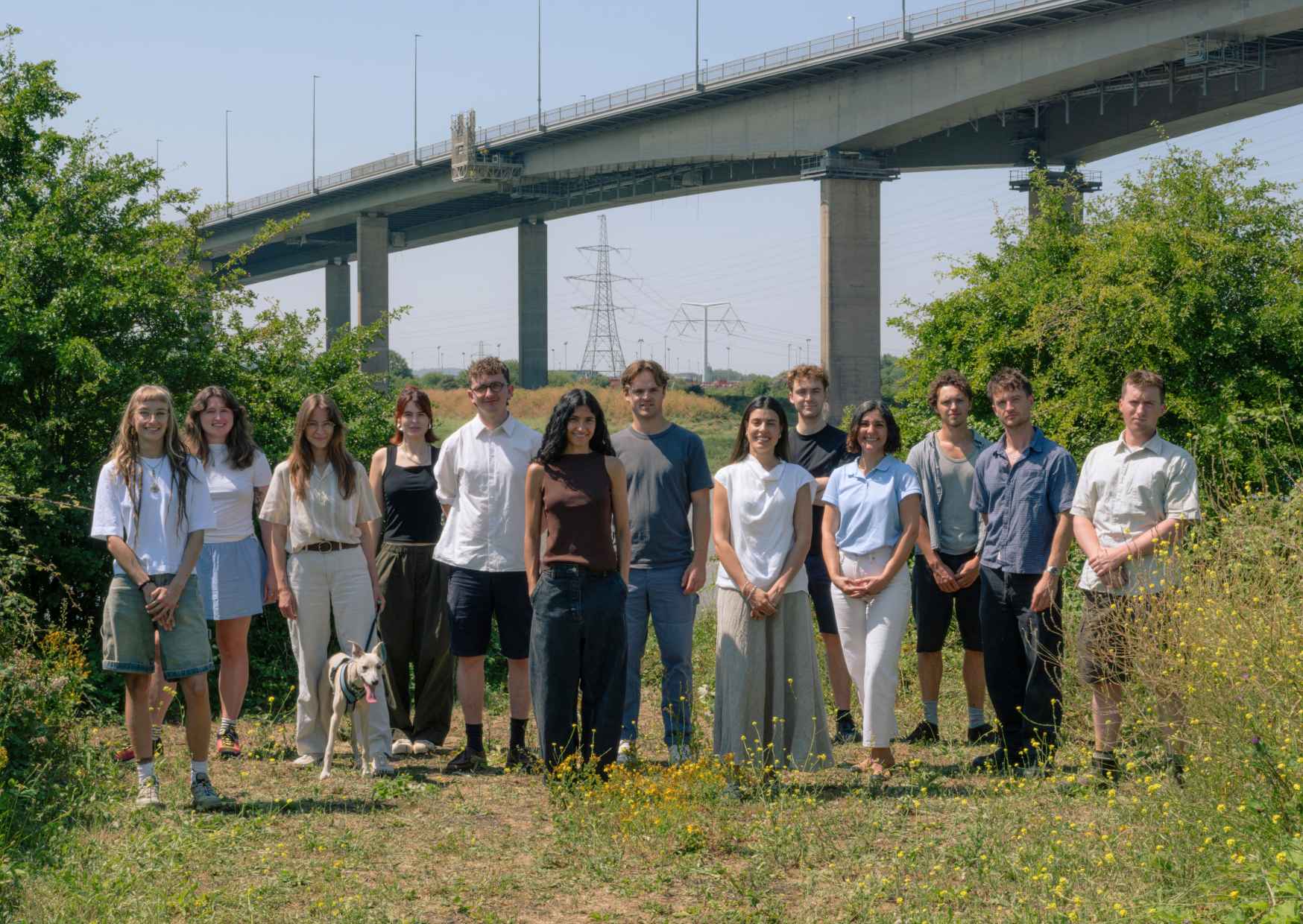
At Ponda, we have long admired the energy, creativity and determination behind RE-PEAT’s work. Their commitment to championing peatlands and the communities who depend on them - feels both urgent and deeply inspiring. RE-PEAT is a youth-led collective working across Europe, using creative advocacy to give peatlands the attention they deserve. Bringing together voices from art, science and activism, its members are united by a shared love for these vital ecosystems and a fierce commitment to protecting them.
Youth-led activism is essential in responding to the climate crisis, and it is always energising to connect with others who care about wetlands as deeply as we do. Over the coming months, we’ll be collaborating with RE-PEAT on a number of projects, but first, we wanted to introduce their brilliant team to the Ponda community. We’re delighted to sit down with them to explore how RE-PEAT began, the role of art in activism, and why peatlands deserve a much louder voice in the climate conversation.
To begin, could you share the story of how RE-PEAT first came to life? Where did the idea spark from, and how did it grow into what it is today? What are your best achievements in this time period?
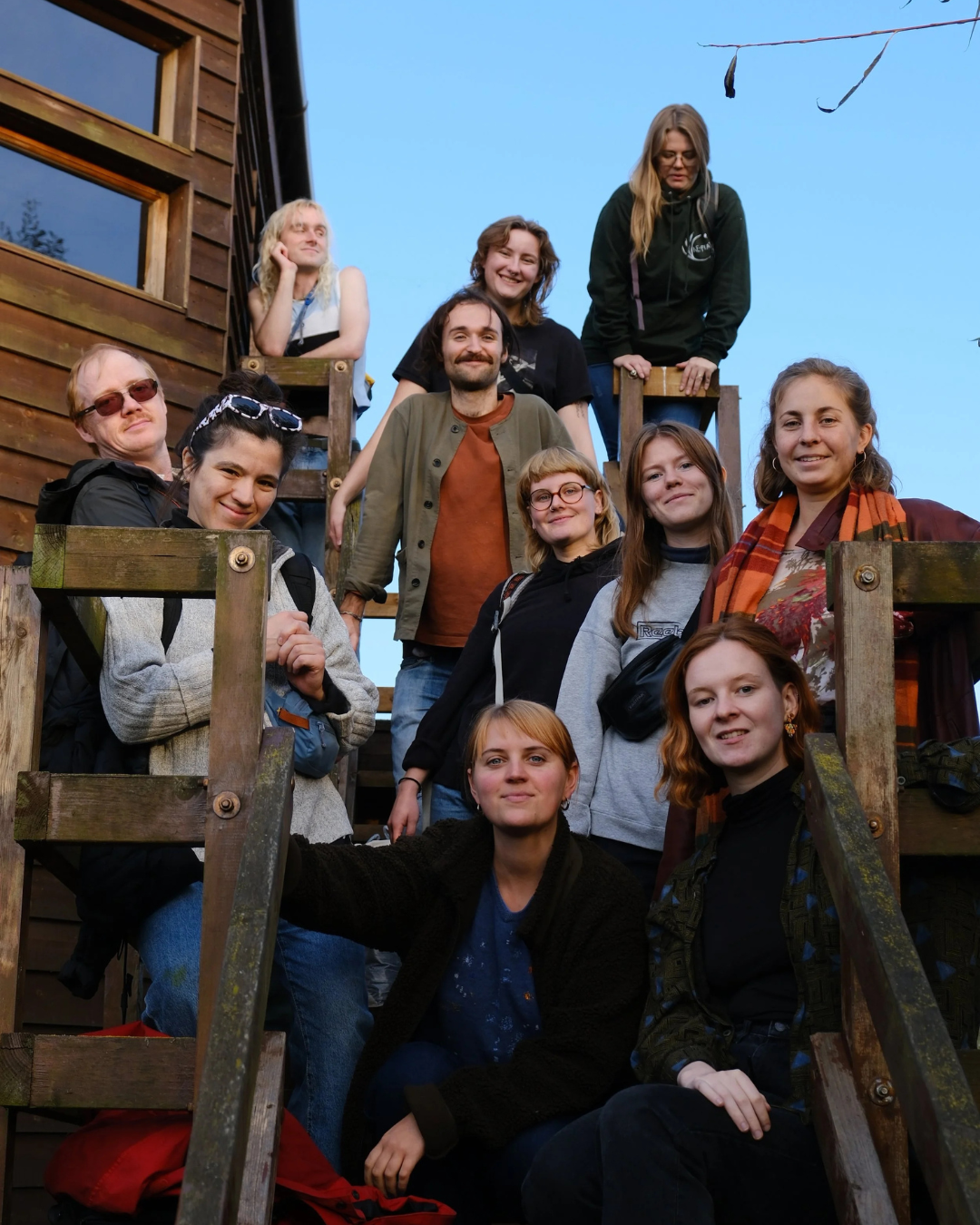
Looking back now, it’s clear that September 2019 is a sort of BP and AP situation for a few of us: before peatlands and after peatlands. It was at this time that Bethany and Frankie were in Germany for a climate camp, which was set up to protest against a big chemical fertilizer company. They ended up spontaneously joining a peatland excursion and finding out about how vital peatlands are for the climate. On the bus ride home totally transfixed in this new mission, the name “re-peat” jokingly emerged. Since then, more and more people “re-peated” this moment of BP/AP, and so we formed a collective with many time-travelling multi-perspective starting points.
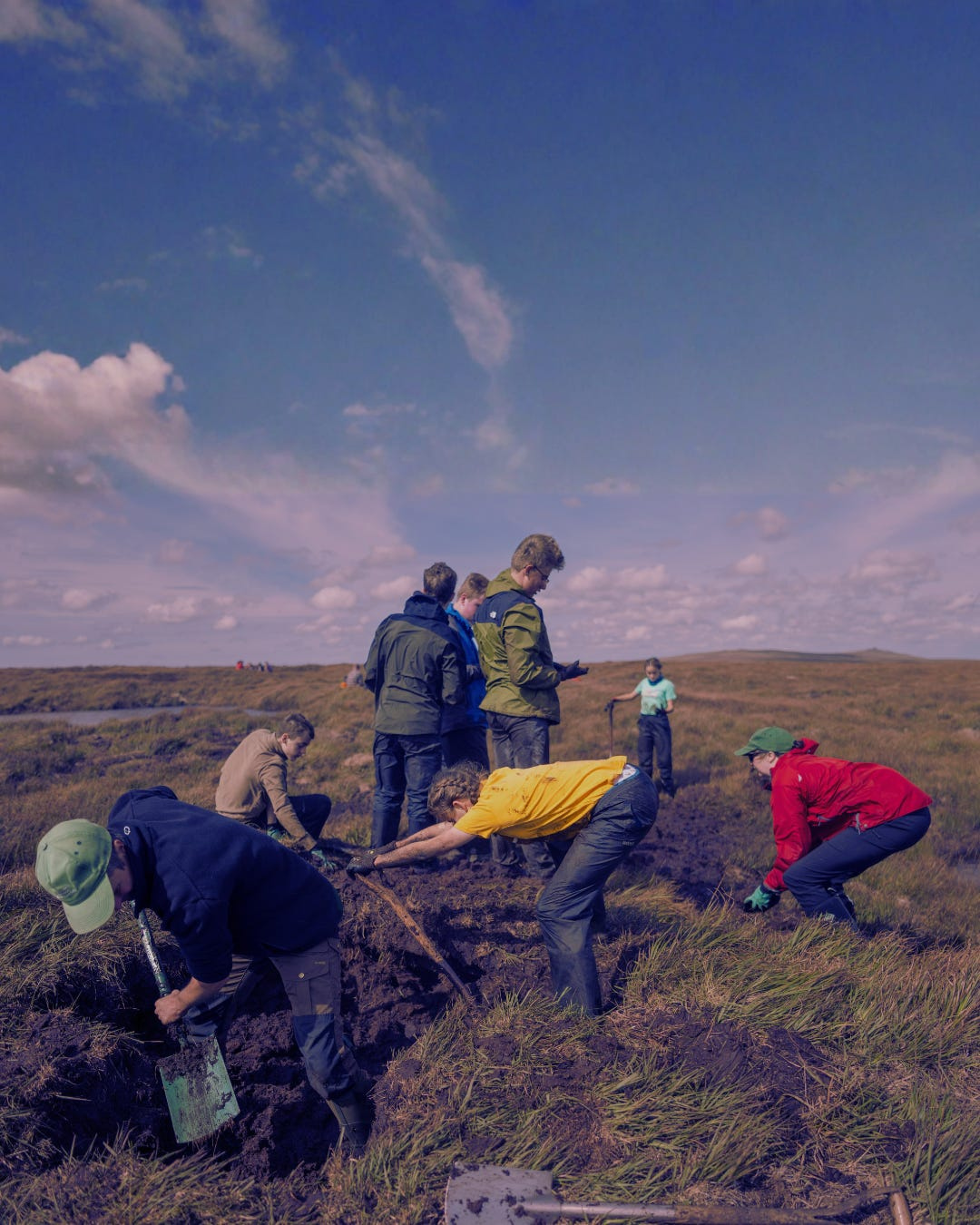
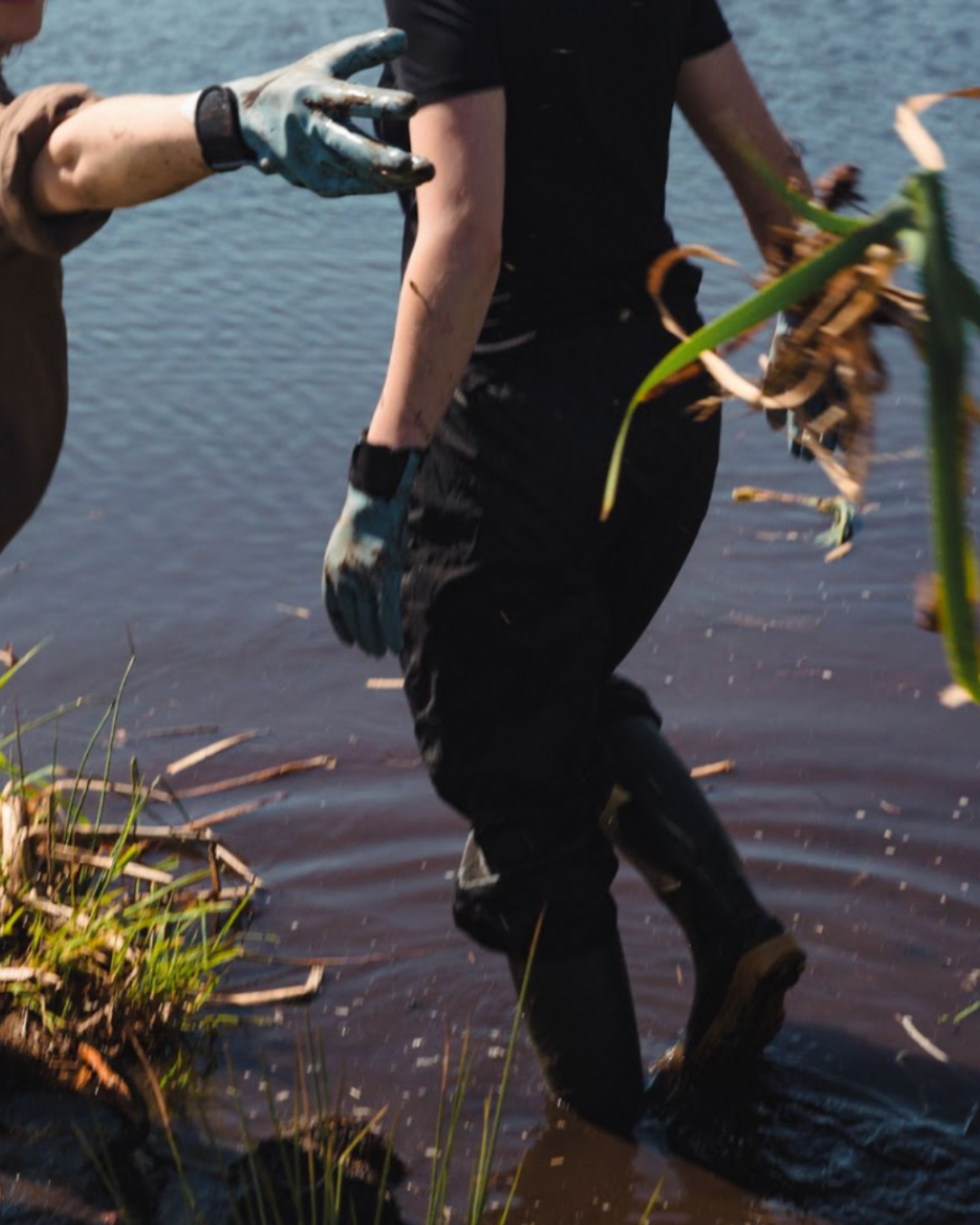
Over the course of the last five years together, we’ve learnt a lot more about peatlands. We have travelled across land and sea to visit them, listened to memories and built our own relationships with these landscapes. We’ve seen the importance of finding playful, metaphorical, collaborative, and imaginative ways of relating with peatlands and sharing their peculiar values. In return, the peatlands have guided us through explorations of grief, deep time, intergenerational thinking, migration, extraction, culture and more.
Since starting RE-PEAT, what is one of your favourite or most surprising things you’ve learned about peatlands?
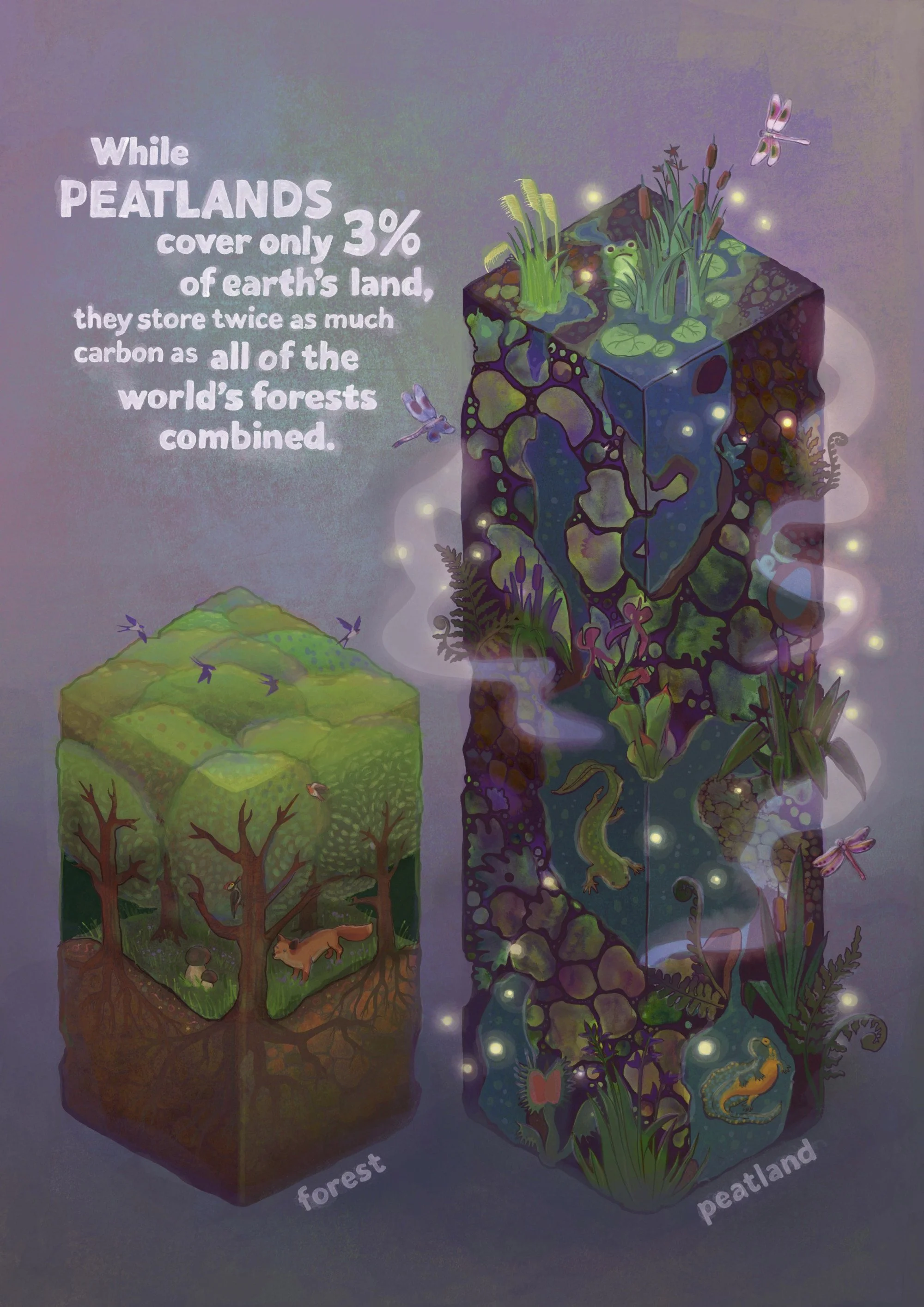
People often think about peatlands as wet places, but when they are dry they become places that attract fire. Zombie fires can smolder underground for weeks, months and in some cases years… waiting in the shadows for the right moment to emerge into the light and reignite the world above. The idea of zombie fires is totally ominous, but also strangely magical in the way that they escape our view and our control. This is why peatlands, when kept wet and healthy, are such important mitigators of fire and drought. With their absorbent properties, they can also help prevent flooding. Peatlands are vital, intelligent regulators of landscapes, they are ecosystems we urgently need to care for and protect.
Wetlands and peatlands are often overlooked in climate discussions. Why do you think they remain so underrepresented, despite their huge ecological importance?
Wetlands and peatlands are often overlooked in climate discussions because of how they have been framed culturally and politically. They are frequently portrayed as wastelands, as “scary” or “empty” places. As landscapes to be drained rather than valued, making their ecological richness easy to ignore. Their degradation is also a form of slow violence: like the frog in hot water metaphor, the impacts unfold gradually and go unnoticed until it’s too late. For example in the Netherlands, soil subsidence from drained peatlands happens slowly, yet over time the land sinks by meters. Restoring peatlands is also slow. It requires landscape-wide agreement and collaboration between many actors, which is far harder to organise than restoration efforts focused on a single plot of land, such as forests.
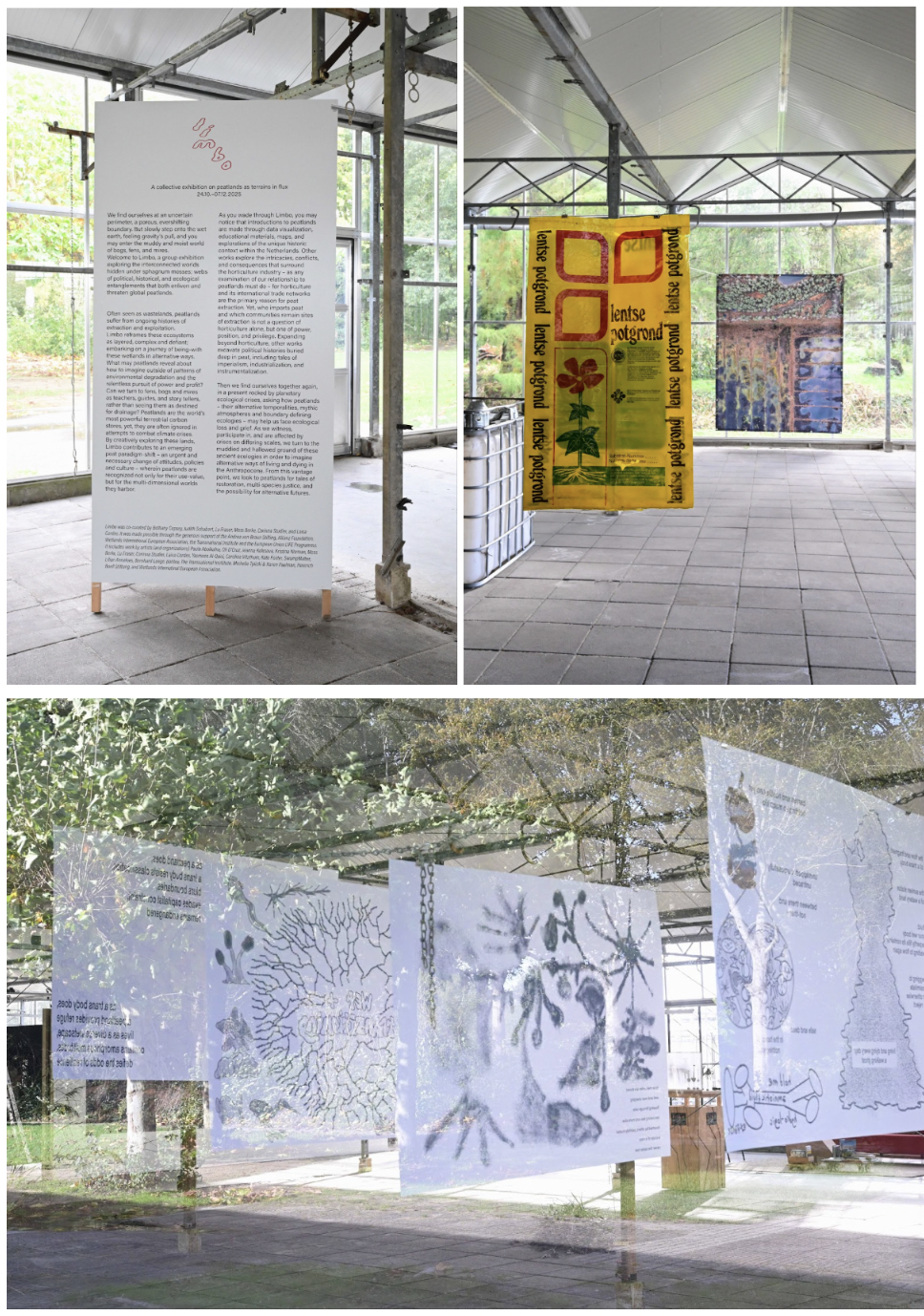
We delivered one of the largest peatland exhibitions to date, Limbo, created in collaboration with De Proef, a former horticultural school in the peat-rich province of Drenthe in the Netherlands. Inspired by the region’s long history of peat extraction, the exhibition brought together over 25 artists from around Europe, working across sound, data, video, and cartography to present peatlands as culturally complex landscapes rather than mere carbon stores. Alongside the exhibition, we hosted side-programming including lino-printing, artist talks, and a paludi dinner, pairing historical context with clear calls to action and significantly expanding the cultural and political visibility of peatland justice in the Netherlands.
The crowdfund supported the exhibition on a limited budget, ensuring fair artist compensation and enabling an interactive public programme, documentation, and a booklet that extends the work beyond the exhibition itself. Through over 200 pledges we reached just over €10,000! We are deeply grateful for the global network of supporters who made this possible.
Images from the Limbo exhibition taken by Caroline Vitzhum
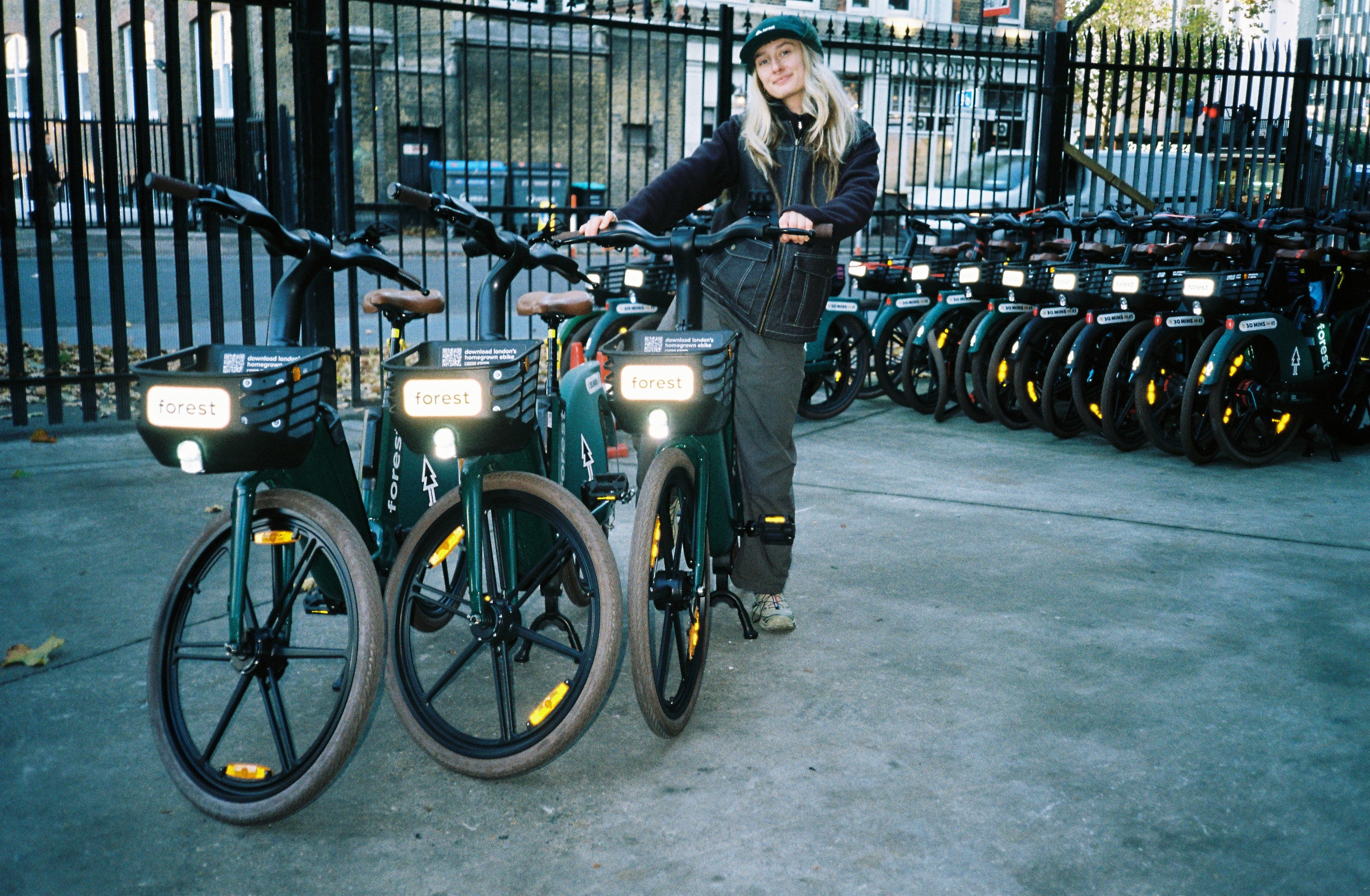
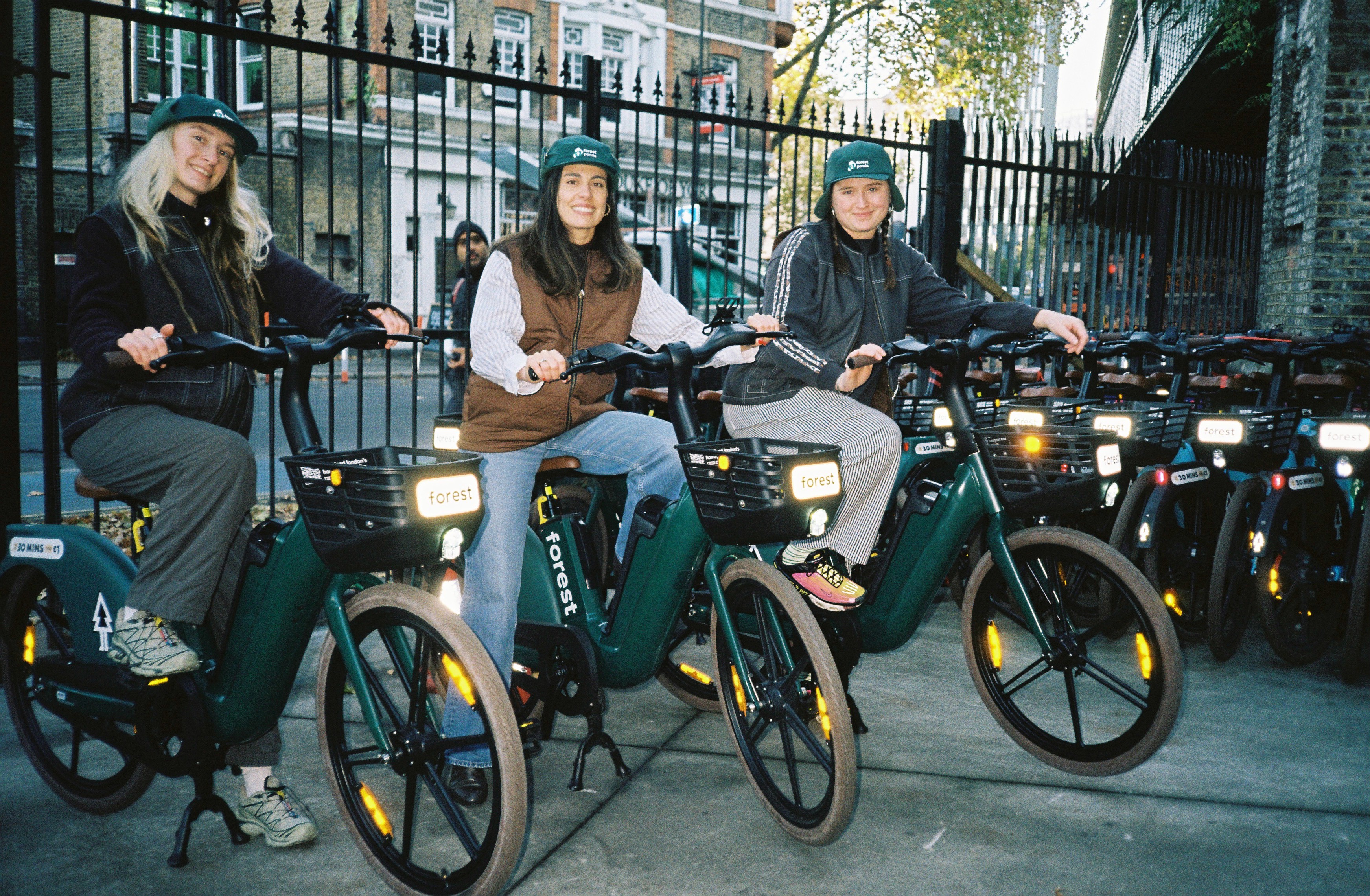
When we heard Forest was turning five, we thought the occasion called for a little wetland warmth. Forest is getting more Londoners on e-bikes and wants to get more trees in the ground. At Ponda, we’re working with farmers to bring water back to drained peatlands. We both care about how landscapes can store carbon, and Forest’s fifth birthday gave us a reason to make something together. Meet the forest-green Fern Cap and the reversible, workwear-inspired Otter Gilet, both filled with BioPuff®, our plant-based insulation made from wetland-grown bulrushes.
Meet the Fern Cap and Otter Gilet
The Fern Cap is our take on a trapper cap, made for Forest in its signature green. The ear flaps pop up when you want them out of the way and fold down when the wind picks up. Inside, there’s a quilted microfleece lining, and on the outside, an adjustable toggle lets you get the fit right.
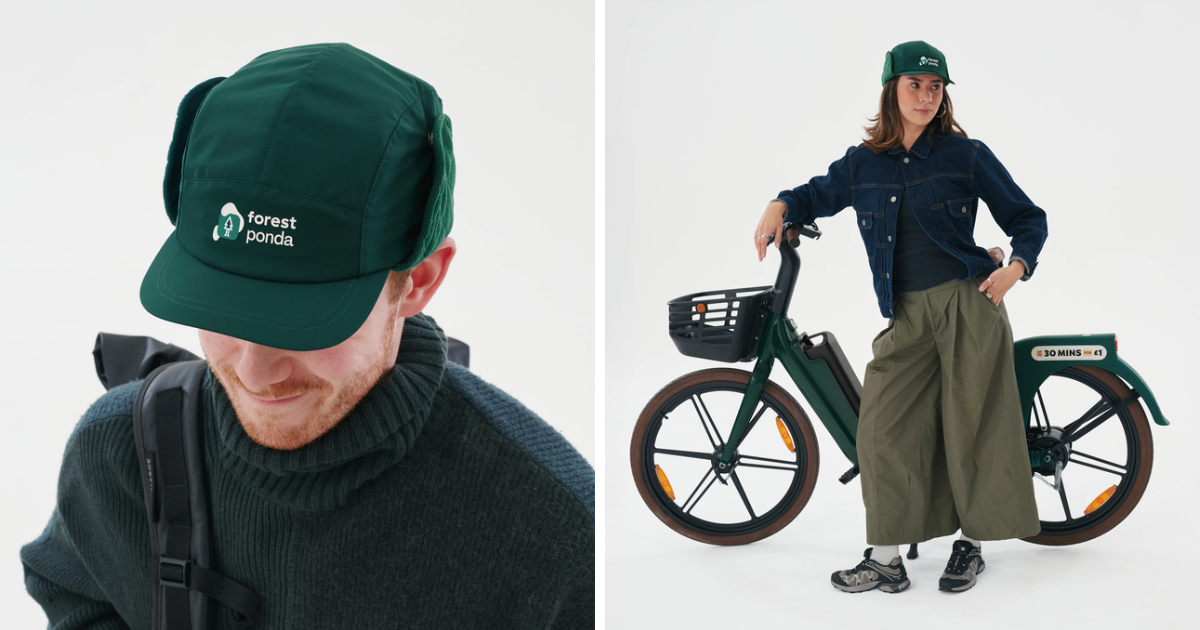
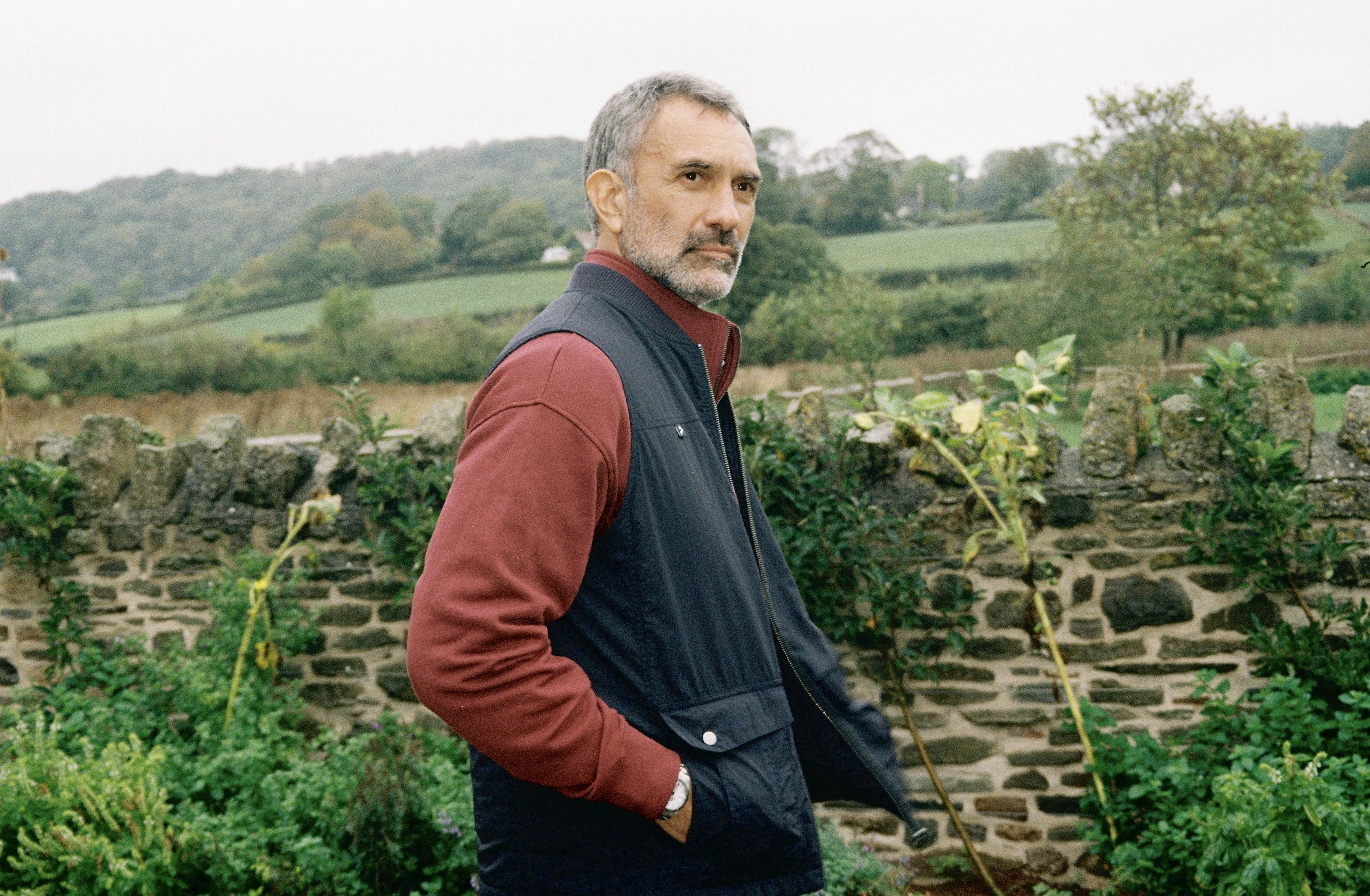
The reversible Otter Gilet takes its cues from workwear, with a cotton drill shell and contrast stitching on one side and Forest brown quilted cotton on the other. It’s cut to layer easily over a shirt or jumper, with two ways to wear it depending on what you’re heading out in. Explore the collection here.
“This was our first co-branded collection, and we wanted to make pieces that felt at home with both Ponda and Forest. Bringing our brands together and working with Forest’s signature colours made the collection feel like something we’d made together. Our communities already share a love for nature and a passion for keeping the planet’s green lungs thriving, so we could really picture who would be wearing it. We’re really proud that our wetland-inspired Otter gilet and Fern cap could be part of Forest’s fifth birthday celebrations. "
- Antonia Jara Contreras, Co-founder and CPBO
The wetland inside
The warmth in both pieces starts with a bulrush. Its seed fibre cluster structure traps air, making them a natural fit for lightweight insulation. We work with farmers to grow bulrushes on rewetted peatlands, where the crop can thrive in wet conditions. Finding uses for those fibres gives farmers a crop they can sell and helps make wetland restoration a viable part of their business.
That’s the idea behind Wear the Wetland. We work with organisations to make clothing their teams will want to wear, using insulation that creates demand for wetland-grown crops. For Forest, that meant taking two of our designs and making them their own.
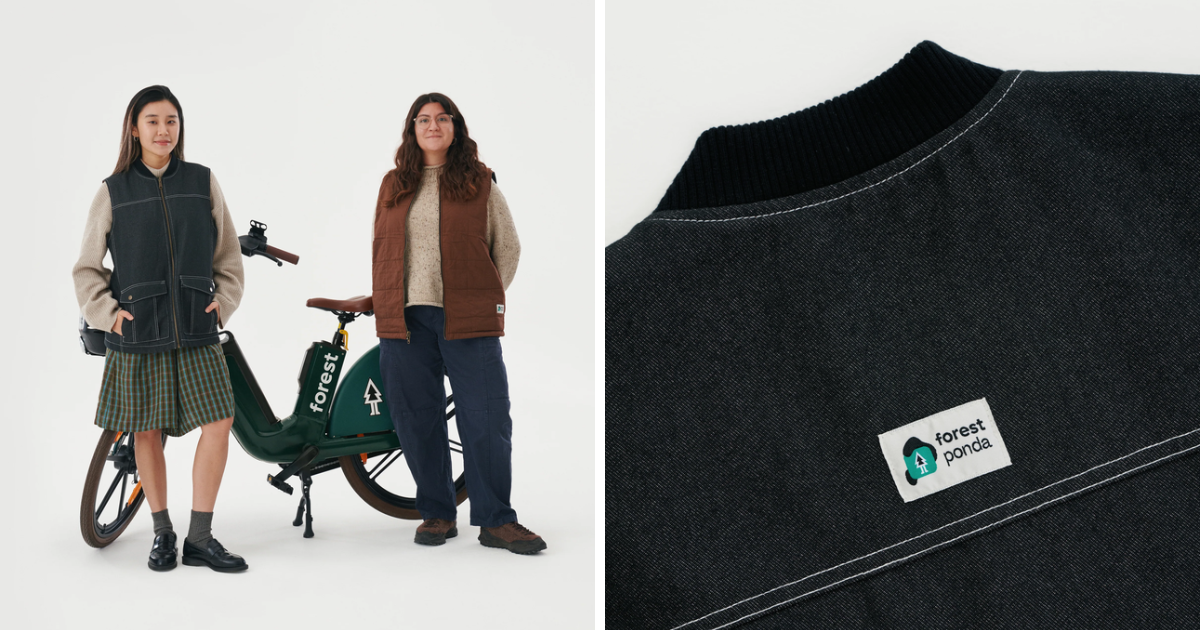
“For our fifth birthday, we thought we’d make something worth keeping. We’ve always had a soft spot for proper workwear. Our team spends as much time fixing bikes as riding them, so we wanted to bring a bit of that spirit to something our whole community could enjoy. That’s where Ponda came in. Together, we’ve created a limited-edition collection of gilets and caps, with the gilets insulated using BioPuff®, a material made from plants grown on regenerated wetlands. Pretty clever stuff, if you ask us. Five years down, plenty more miles to go!”
- Michael Stewart, CMO at Forest
Explore the collection here
If you want to learn more about collaborating with Ponda, please email anna@ponda.bio.