.png)
In Conversation With: Kalpana Arias
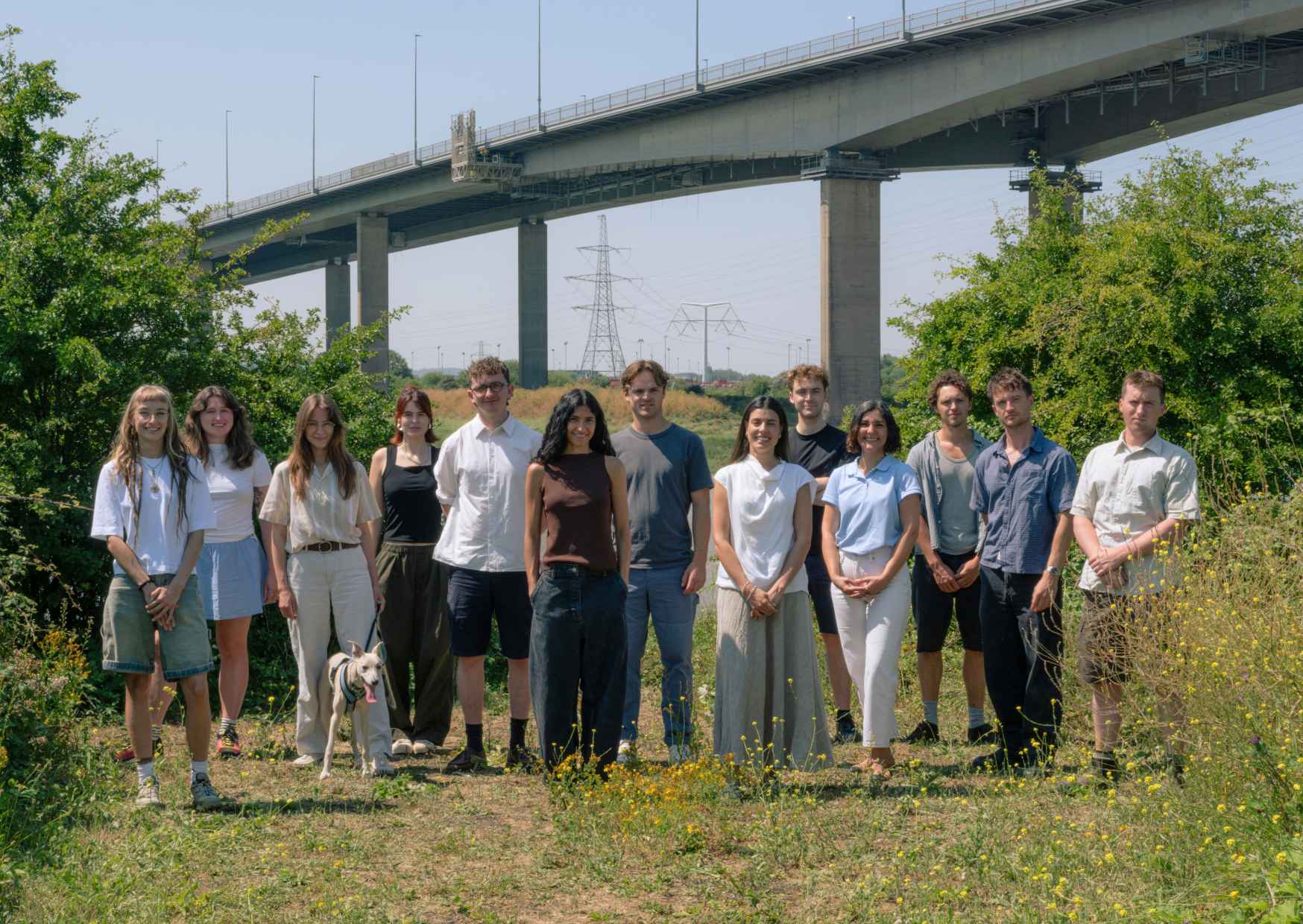
At Ponda, we have long admired the energy, creativity and determination behind RE-PEAT’s work. Their commitment to championing peatlands and the communities who depend on them - feels both urgent and deeply inspiring. RE-PEAT is a youth-led collective working across Europe, using creative advocacy to give peatlands the attention they deserve. Bringing together voices from art, science and activism, its members are united by a shared love for these vital ecosystems and a fierce commitment to protecting them.
Youth-led activism is essential in responding to the climate crisis, and it is always energising to connect with others who care about wetlands as deeply as we do. Over the coming months, we’ll be collaborating with RE-PEAT on a number of projects, but first, we wanted to introduce their brilliant team to the Ponda community. We’re delighted to sit down with them to explore how RE-PEAT began, the role of art in activism, and why peatlands deserve a much louder voice in the climate conversation.
To begin, could you share the story of how RE-PEAT first came to life? Where did the idea spark from, and how did it grow into what it is today? What are your best achievements in this time period?
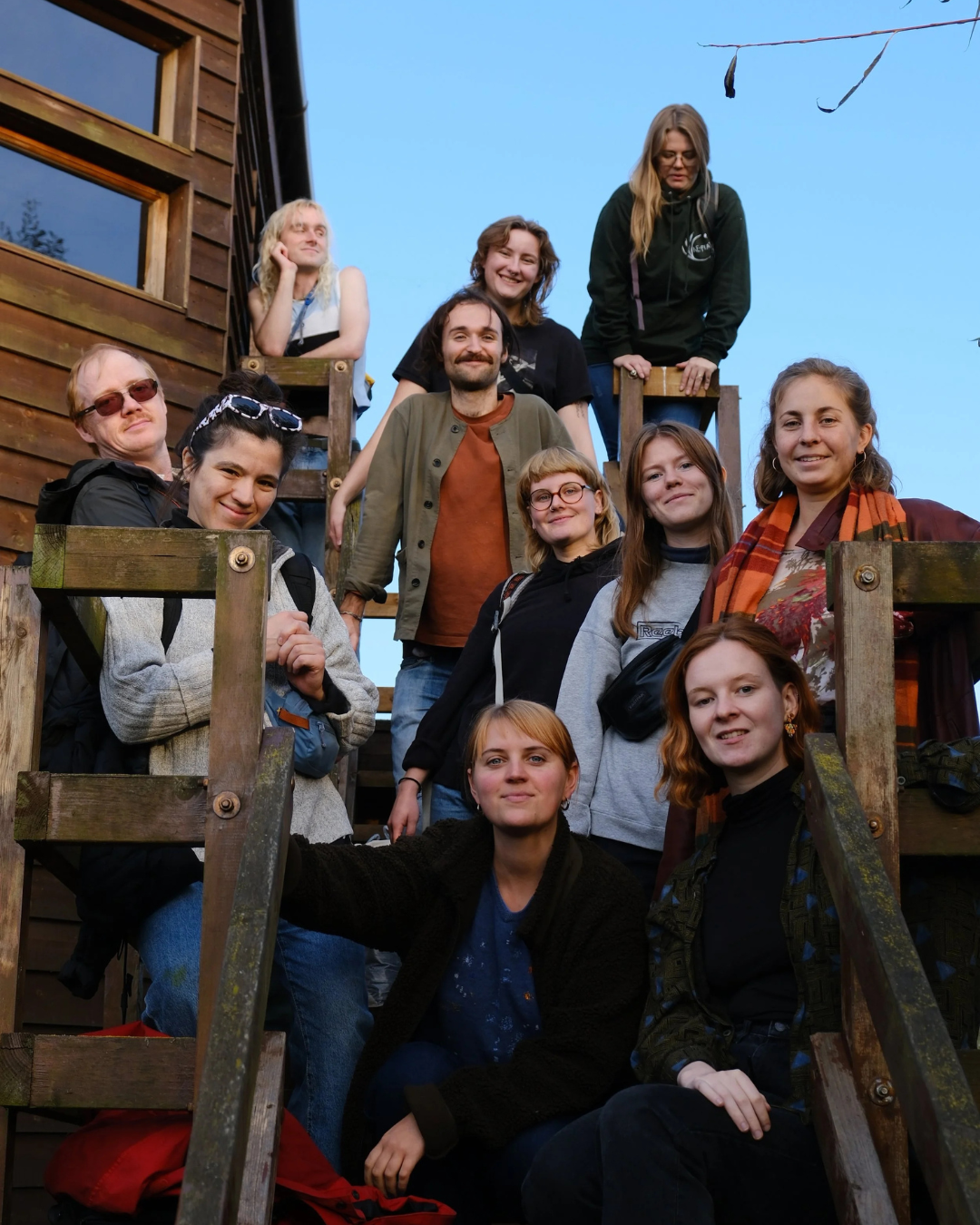
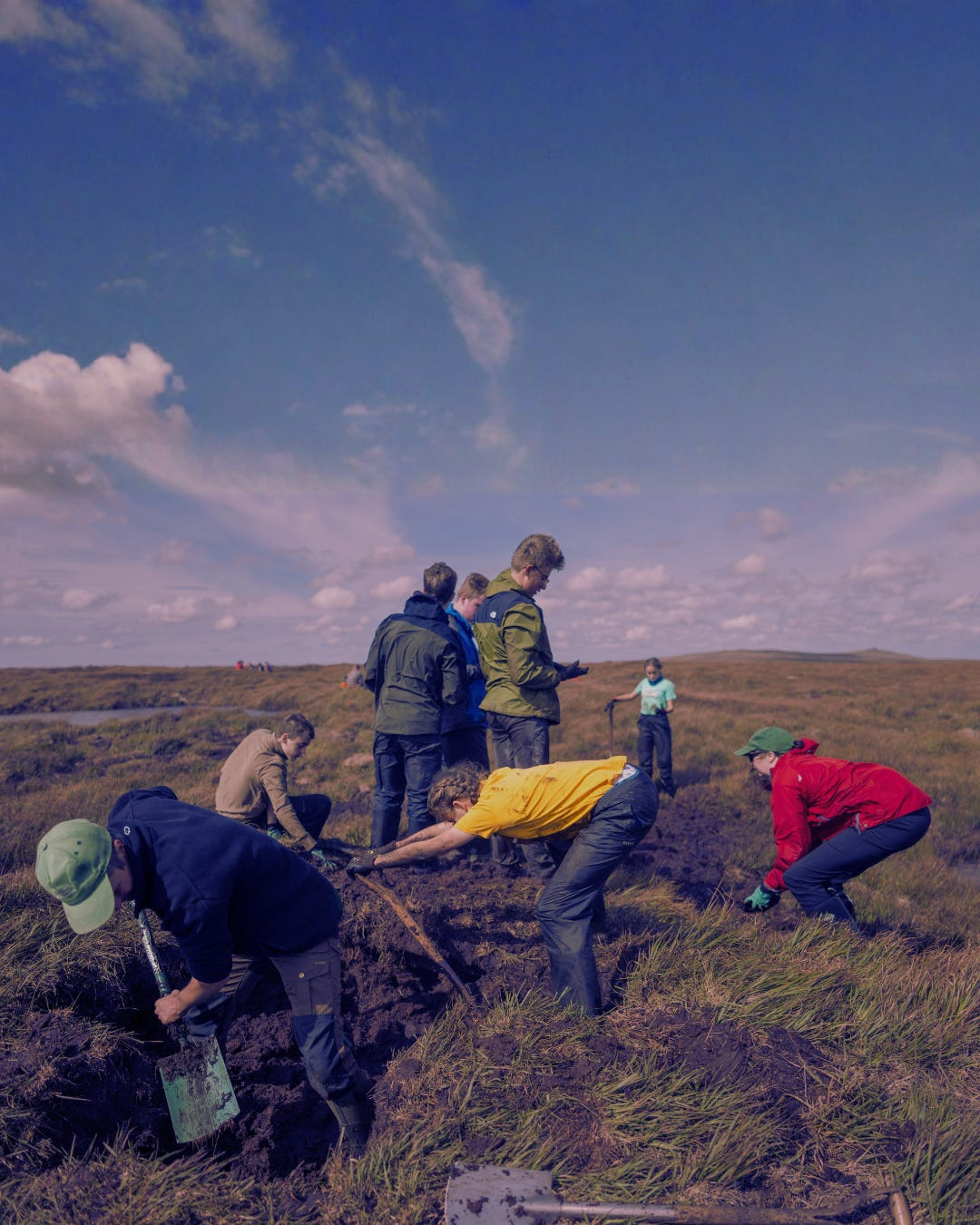
Looking back now, it’s clear that September 2019 is a sort of BP and AP situation for a few of us: before peatlands and after peatlands. It was at this time that Bethany and Frankie were in Germany for a climate camp, which was set up to protest against a big chemical fertilizer company. They ended up spontaneously joining a peatland excursion and finding out about how vital peatlands are for the climate. On the bus ride home totally transfixed in this new mission, the name “re-peat” jokingly emerged. Since then, more and more people “re-peated” this moment of BP/AP, and so we formed a collective with many time-travelling multi-perspective starting points.
Over the course of the last five years together, we’ve learnt a lot more about peatlands. We have travelled across land and sea to visit them, listened to memories and built our own relationships with these landscapes. We’ve seen the importance of finding playful, metaphorical, collaborative, and imaginative ways of relating with peatlands and sharing their peculiar values. In return, the peatlands have guided us through explorations of grief, deep time, intergenerational thinking, migration, extraction, culture and more.
.png)
Since starting RE-PEAT, what is one of your favourite or most surprising things you’ve learned about peatlands?
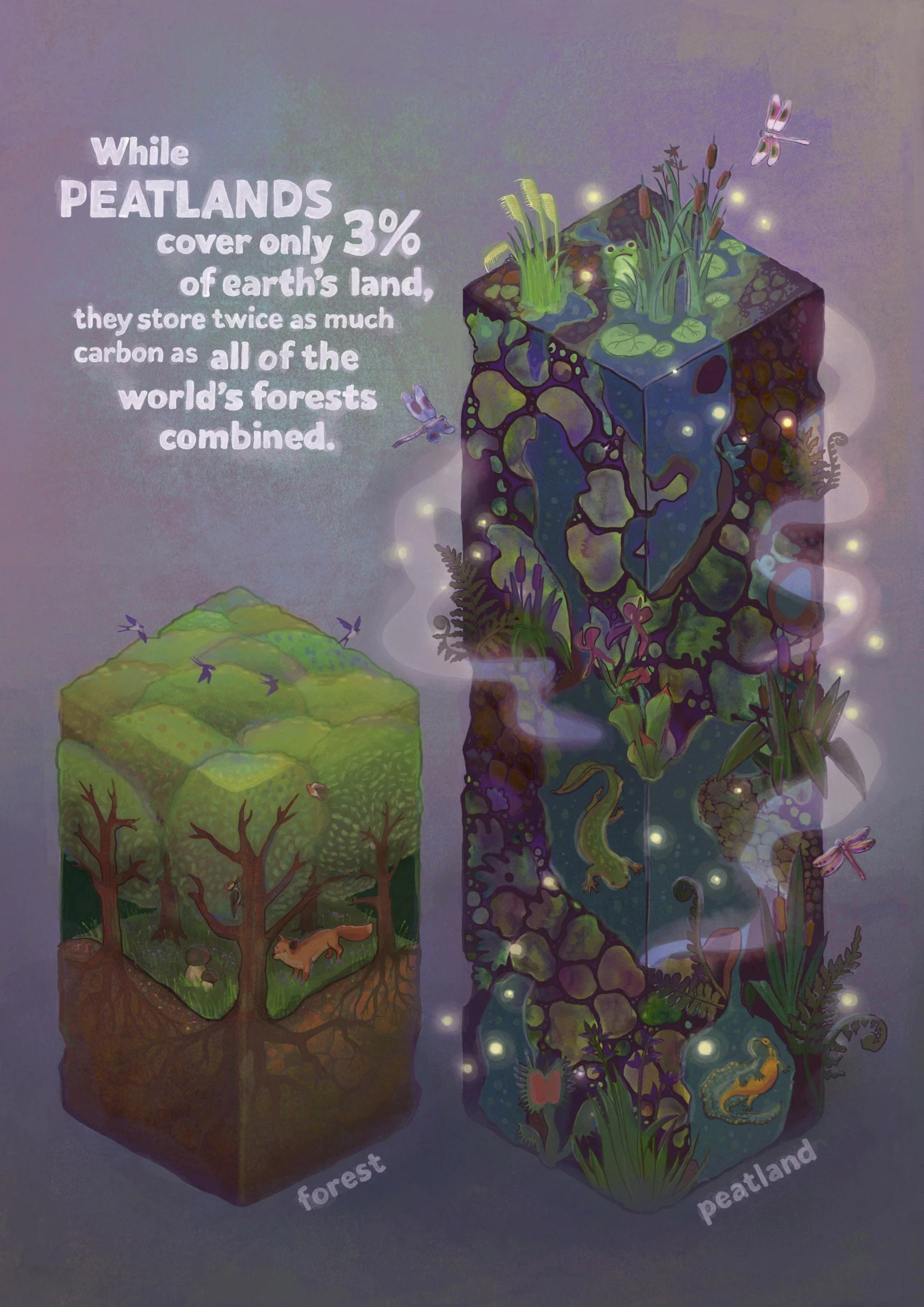
People often think about peatlands as wet places, but when they are dry they become places that attract fire. Zombie fires can smolder underground for weeks, months and in some cases years… waiting in the shadows for the right moment to emerge into the light and reignite the world above. The idea of zombie fires is totally ominous, but also strangely magical in the way that they escape our view and our control. This is why peatlands, when kept wet and healthy, are such important mitigators of fire and drought. With their absorbent properties, they can also help prevent flooding. Peatlands are vital, intelligent regulators of landscapes, they are ecosystems we urgently need to care for and protect.
Wetlands and peatlands are often overlooked in climate discussions. Why do you think they remain so underrepresented, despite their huge ecological importance?
Wetlands and peatlands are often overlooked in climate discussions because of how they have been framed culturally and politically. They are frequently portrayed as wastelands, as “scary” or “empty” places. As landscapes to be drained rather than valued, making their ecological richness easy to ignore. Their degradation is also a form of slow violence: like the frog in hot water metaphor, the impacts unfold gradually and go unnoticed until it’s too late. For example in the Netherlands, soil subsidence from drained peatlands happens slowly, yet over time the land sinks by meters. Restoring peatlands is also slow. It requires landscape-wide agreement and collaboration between many actors, which is far harder to organise than restoration efforts focused on a single plot of land, such as forests.
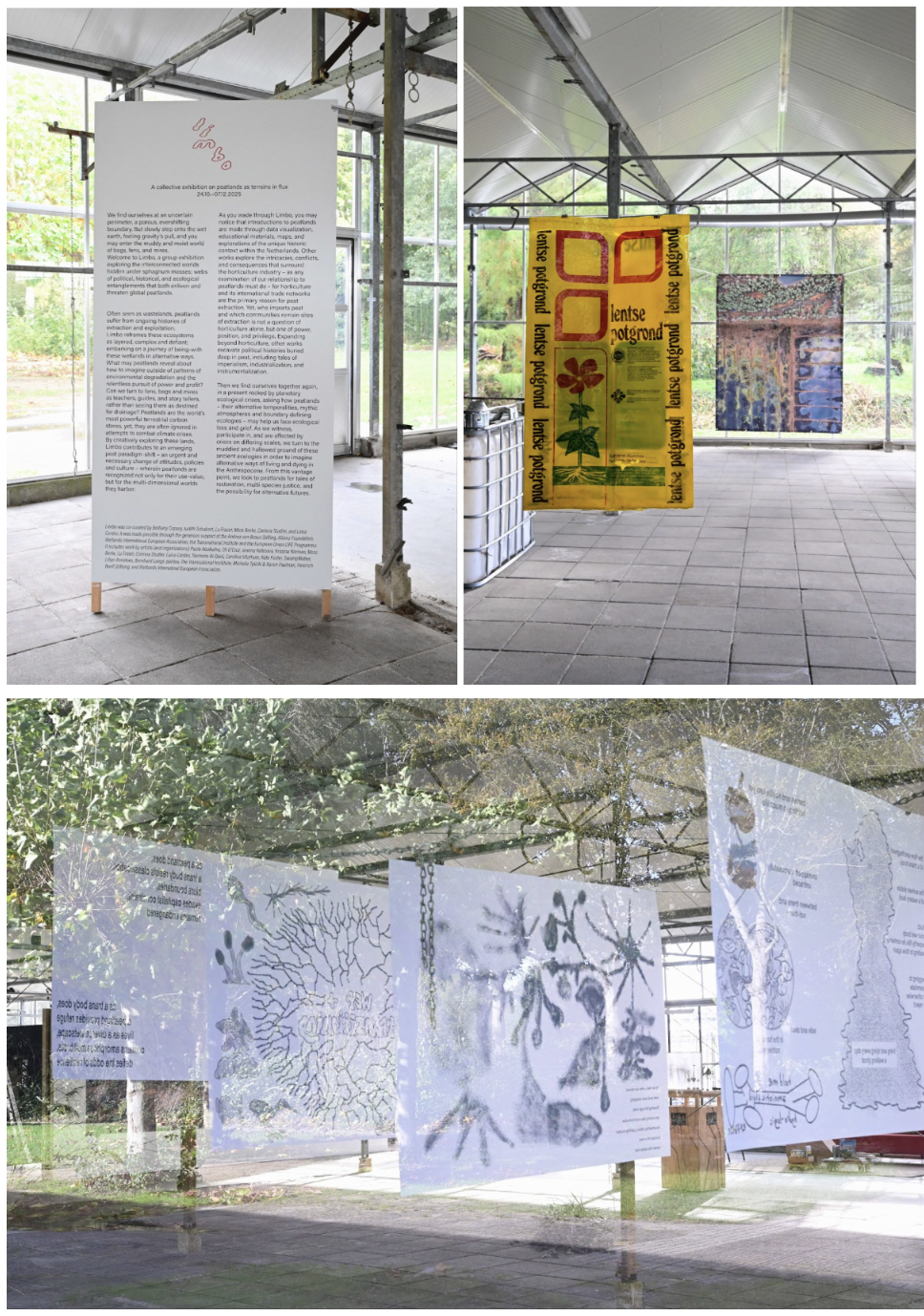
We delivered one of the largest peatland exhibitions to date, Limbo, created in collaboration with De Proef, a former horticultural school in the peat-rich province of Drenthe in the Netherlands. Inspired by the region’s long history of peat extraction, the exhibition brought together over 25 artists from around Europe, working across sound, data, video, and cartography to present peatlands as culturally complex landscapes rather than mere carbon stores. Alongside the exhibition, we hosted side-programming including lino-printing, artist talks, and a paludi dinner, pairing historical context with clear calls to action and significantly expanding the cultural and political visibility of peatland justice in the Netherlands.
The crowdfund supported the exhibition on a limited budget, ensuring fair artist compensation and enabling an interactive public programme, documentation, and a booklet that extends the work beyond the exhibition itself. Through over 200 pledges we reached just over €10,000! We are deeply grateful for the global network of supporters who made this possible.
Images from the Limbo exhibition taken by Caroline Vitzhum
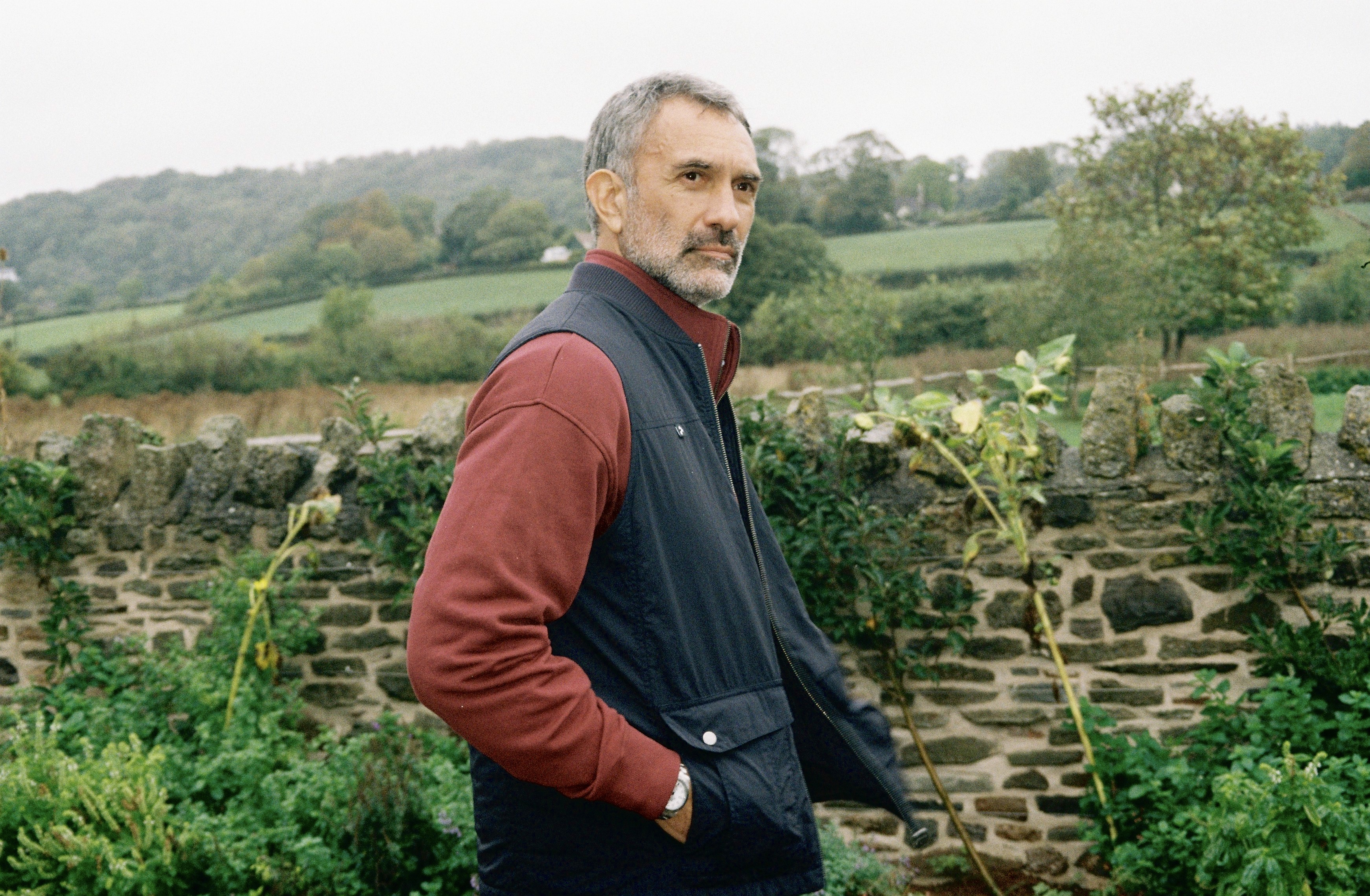
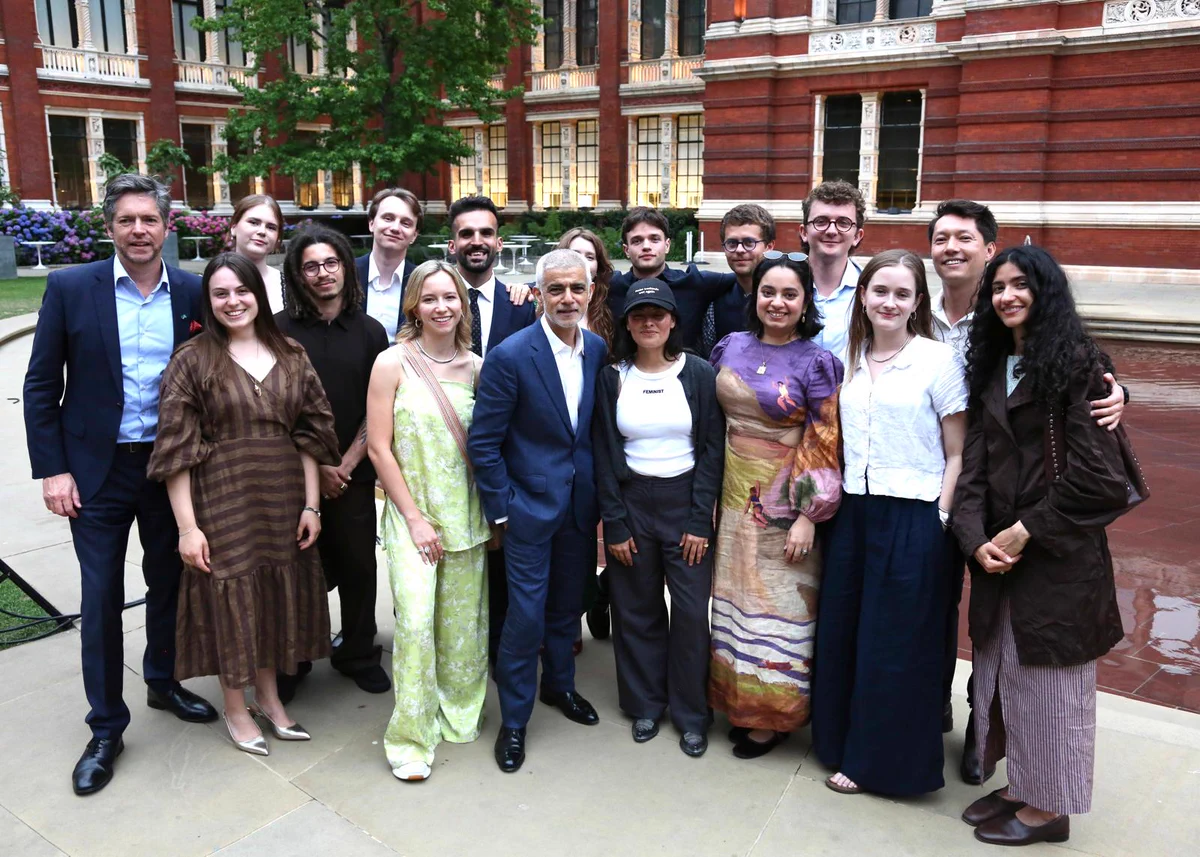
For the latest instalment of our In Conversation series, we spoke with Kalpana Arias, who recently connected with Ponda founders Nelly and Julian at a very special London Climate Action Week event with Mayor of London Sadiq Khan.
Kalpana is a guerrilla gardener, technologist and nature rights campaigner exploring how people, technology and the natural world can thrive together, something we need now more than ever. She is the founder of PLAY, a social enterprise championing urban nature, and has spent more than a decade working across biomaterials, robotics, gamification and other nature-based technologies.
A passionate advocate for the right to grow, the rights of nature and technology for good, Kalpana has delivered a global TED Talk and spoken at the United Nations. She also advises corporations and governments on environmental issues, collaborating with leading charities, institutions, brands and grassroots changemakers.
We caught up with Kalpana to learn more about her latest adventure, Glitch, a cyber-gardening app and pocket-sized Chatbug designed to help people discover, map and grow urban nature.
Looking back, was there a moment or perhaps a series of moments that made you realise your life's work would be about helping people reconnect with nature? What sparked that journey for you?
The pandemic was a turning point for me. When parks, community gardens and other shared green spaces were closed or access limited, it showed how unequal access to nature really is – and access to nature isn’t a luxury, it’s a right.
“Nature” shouldn’t be somewhere you have to travel to at the weekend. It can be the tree outside your window, food growing on your street, a community garden around the corner, or even a tiny patch that neighbours decide to care for together. This made me want to work on ways of making nature more accessible, everyday and participatory especially in cities.
People often talk about technology and nature as though they're opposites, yet your work brings the two together in really creative ways. What has that taught you about how technology can help us build a deeper relationship with the natural world, rather than pull us away from it?
There’s a line from Deep Green: Biodesign in the age of Artificial Intelligence that I come back to a lot: “technology was once about mechanising nature, but perhaps the next chapter is about naturalising our machines.”
Nature and technology are not opposites. Nature is technology. A slime mould can solve incredibly complex routing problems. Fungi create vast networks of exchange and communication. Plants sense light, water, gravity and one another. The natural world has been engineering, adapting and experimenting for billions of years.
For me, the interesting question isn’t simply how we use more technology, but what kinds of worlds we can build when technology begins to learn from nature rather than work against it. That might mean technology that helps us notice biodiversity, understand the ecosystems around us, grow food, share resources or organise locally.
Biodesign is already asking whether we can grow materials rather than manufacture them, while robotics can learn from roots, fungi, insects and collective behaviour. We can start to make buildings that behave more like ecosystems, materials that repair or biodegrade, and technologies that sense and respond to the needs of the world around them. There’s an exciting shift is from designing machines that dominate nature to designing technologies that work with living systems.
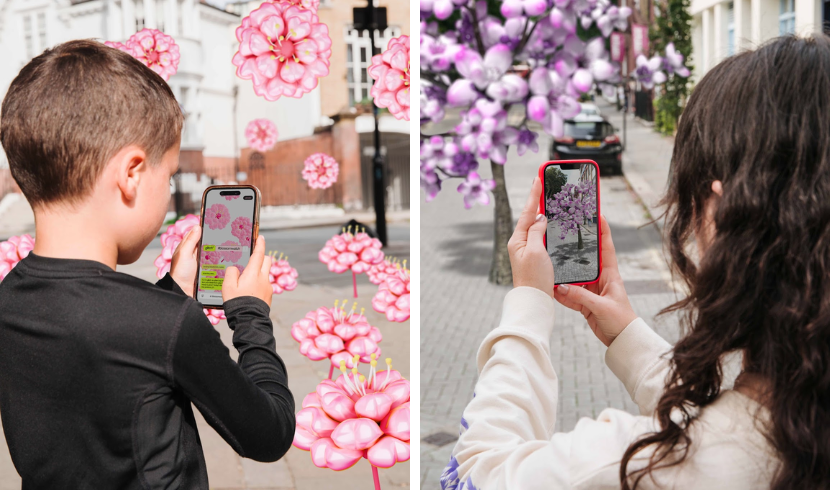
You've recently launched Glitch, a pocket-sized tool that helps people learn to grow through conversation and play. Why was it important to make reconnecting with nature feel fun rather than another task on our to-do lists, and what has surprised you most since launching it?
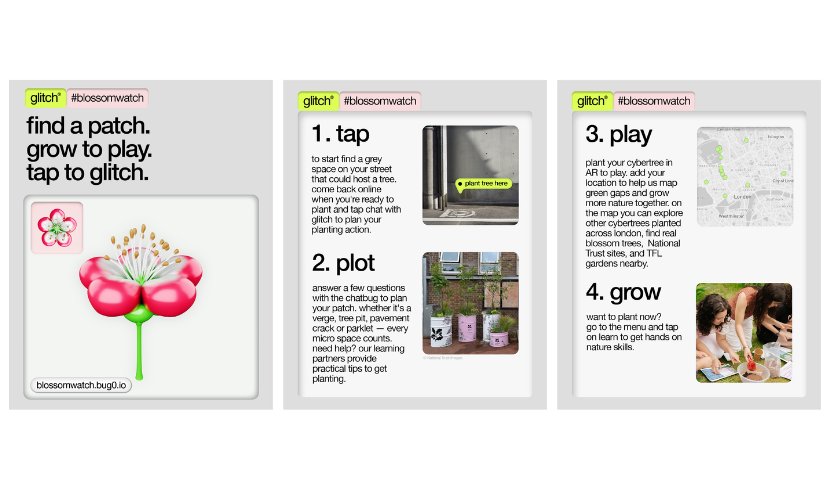
We’re digital natives. we’re not all going to switch off our phones and touch grass so I’m interested in designing digital systems that create pathways from screens to streets. That’s a big part of Glitch. You can start by chatting to it, exploring the map or completing a challenge, but the point is to get you outside to find a community garden, identify a plant, spot an overlooked grey corner or get started planting a patch.
Since launching, we’ve seen thousands of citizen-science logs across neighbourhoods, with people discovering pockets of nature right on their doorstep from local food-growing projects to fruit trees. Sometimes people only need a playful and easy way to get started planting.
You've shared your ideas on global stages like TED and the United Nations, but you've also spent time working alongside local communities and grassroots changemakers. Where have you found the greatest lessons, and what have those experiences taught you about creating lasting change?
Change happens from the ground up. Through community growing and the Right to Grow campaign, I’ve seen what happens when neighbours organise around something very tangible – a patch of land, a garden, a tree, somewhere to grow food. There can be a lot of red tape between possibility and action but we don’t have to wait for permission to make our neighbourhoods better.
Speak to your neighbours. Find the people already doing the work. Join a community organisation. Start a growing group. Plant something together. Map what’s missing. Then organise around it. Policy can scale change, but people build the groundwork that makes change possible in the first place.
It's easy to feel overwhelmed by the scale of the environmental challenges we face today. Yet your work is rooted in optimism and action. Where do you find hope, and what keeps you inspired to keep pushing forward?
Change doesn’t just happen in policy rooms or board meetings – it happens in gardens, on balconies, neighbourhoods, and street corners. When people have the tools, the space, and the imagination to grow they become part of something bigger. That’s why we built Glitch: to make growing feel like play, and use play as a tool for people power.
Glitch is not just a tool, it’s a playground for growing, connecting and bringing nature to our cities. If we’re going to face the polycrisis head-on, we need more than urgency, we need imagination and tools that invite people to grow another world.
When you imagine the cities of the future, what does a place where both people and nature can truly thrive look and feel like? And what role do you think each of us has in helping make that vision a reality?
Solarpunk futures! I imagine streets where food is growing alongside housing; fruit trees as everyday infrastructure; hedges and wild corridors instead of endless grey, hard boundaries; green roofs and living walls; rain gardens; community gardens within walking distance; restored rivers and wetlands; shaded streets that stay cooler during heatwaves; renewable energy integrated into neighbourhoods; and technology that helps use less resources rather than consuming more.
We're in a design emergency – everything around us has been designed, our streets, food systems, technologies, public spaces, which also means it can be redesigned.
We are all, in some way, builders, designers and players of the places we live – and that can sart at street level: grow something, protect a tree, join a local garden, organise with your neighbours, ask your council what unused land is available to start a community project, orchard, a garden, or a shared public space. The future city isn’t something far away. We’re building it, patch by patch, right now.
Follow Kalpana’s journey:
Linkedin: https://www.linkedin.com/in/kalpana-arias-a3b73b148/?skipRedirect=true
Instagram: https://www.instagram.com/ariasaleja/
Glitch: https://www.instagram.com/gliiitch__/
Nowadays on Earth: https://www.instagram.com/nowadaysonearth/
Symbiocene: https://www.instagram.com/symbi0cene/