Introducing Wear the Wetland: your logo on the outside, the wetland on the inside
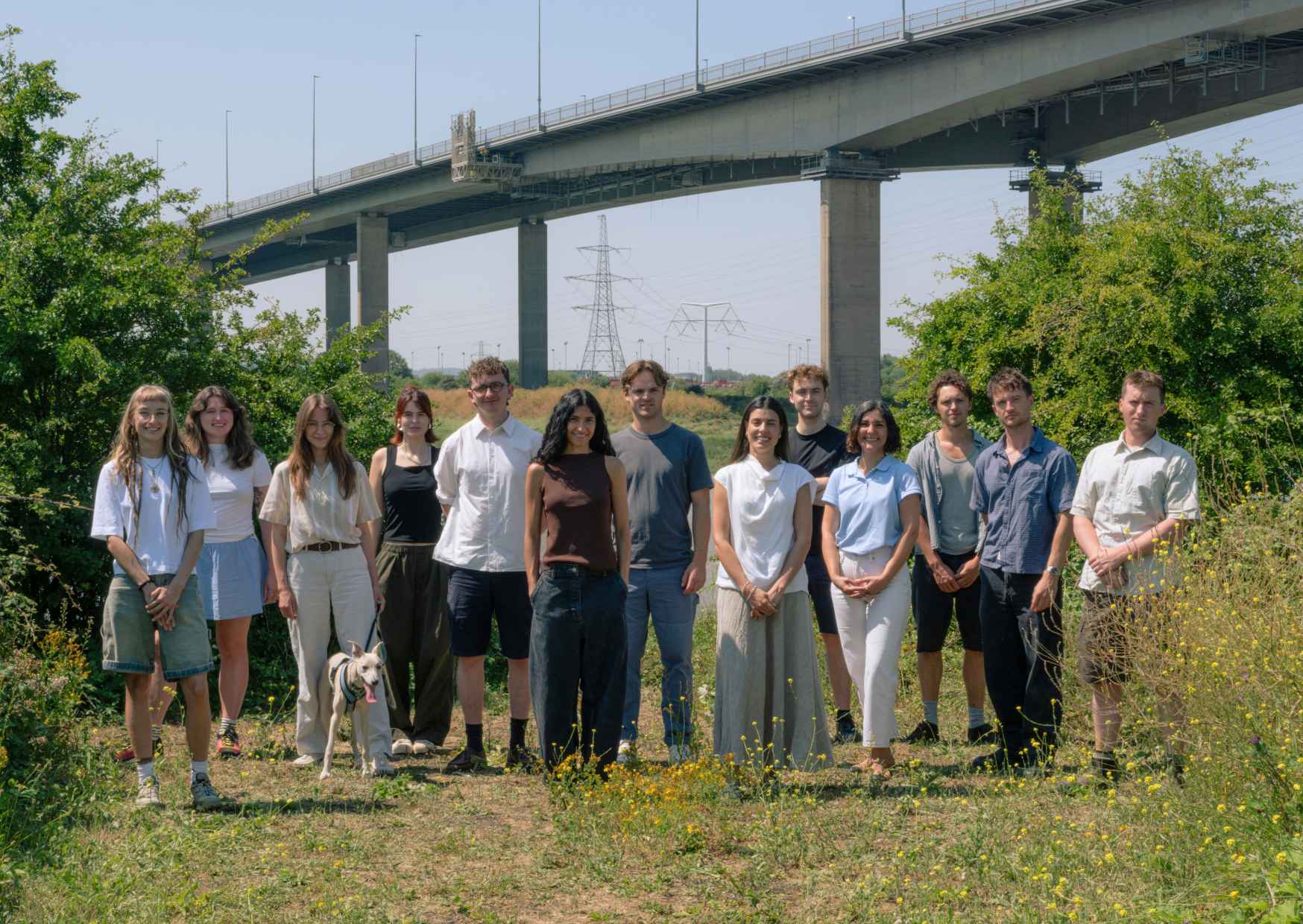
At Ponda, we have long admired the energy, creativity and determination behind RE-PEAT’s work. Their commitment to championing peatlands and the communities who depend on them - feels both urgent and deeply inspiring. RE-PEAT is a youth-led collective working across Europe, using creative advocacy to give peatlands the attention they deserve. Bringing together voices from art, science and activism, its members are united by a shared love for these vital ecosystems and a fierce commitment to protecting them.
Youth-led activism is essential in responding to the climate crisis, and it is always energising to connect with others who care about wetlands as deeply as we do. Over the coming months, we’ll be collaborating with RE-PEAT on a number of projects, but first, we wanted to introduce their brilliant team to the Ponda community. We’re delighted to sit down with them to explore how RE-PEAT began, the role of art in activism, and why peatlands deserve a much louder voice in the climate conversation.
To begin, could you share the story of how RE-PEAT first came to life? Where did the idea spark from, and how did it grow into what it is today? What are your best achievements in this time period?
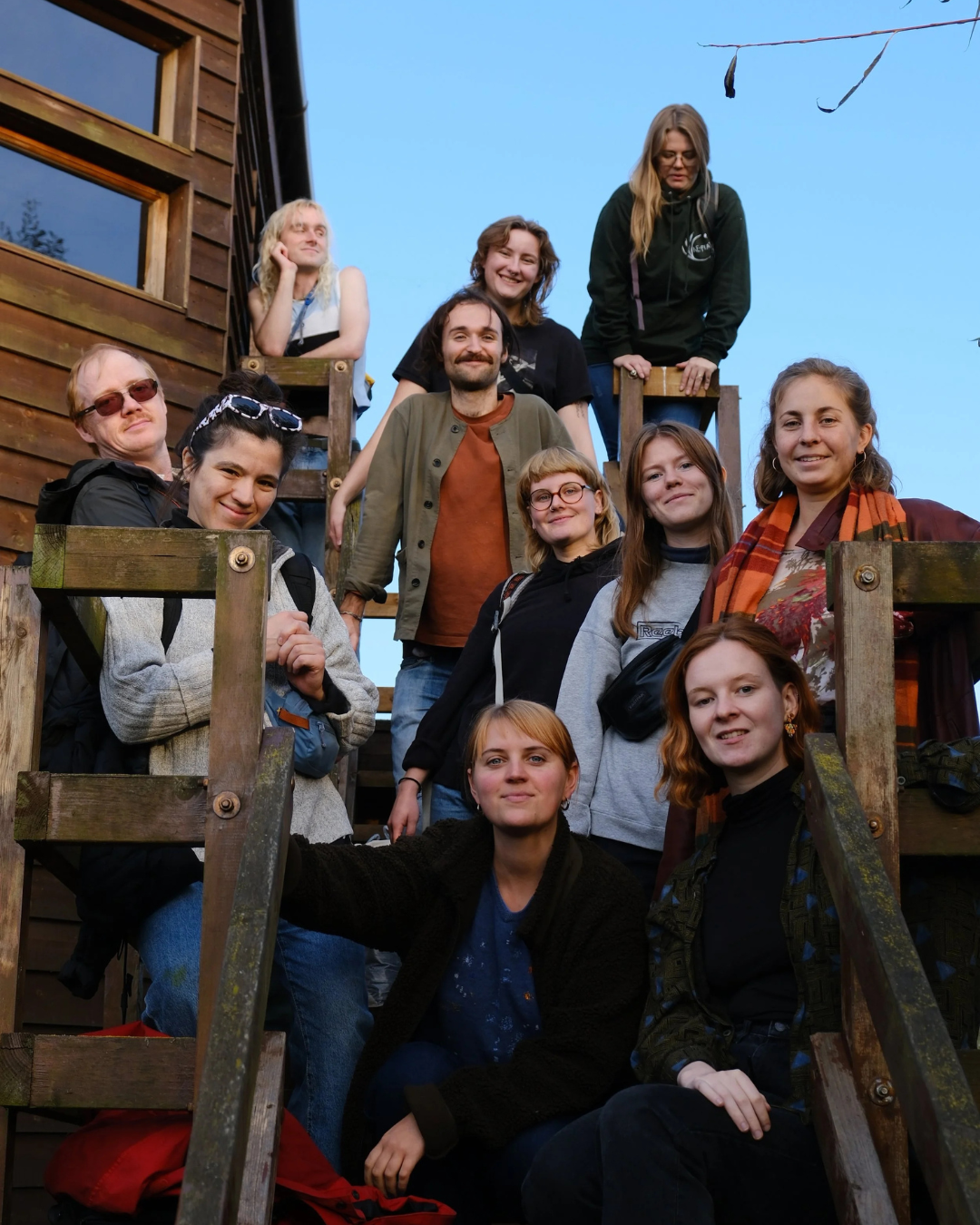
Looking back now, it’s clear that September 2019 is a sort of BP and AP situation for a few of us: before peatlands and after peatlands. It was at this time that Bethany and Frankie were in Germany for a climate camp, which was set up to protest against a big chemical fertilizer company. They ended up spontaneously joining a peatland excursion and finding out about how vital peatlands are for the climate. On the bus ride home totally transfixed in this new mission, the name “re-peat” jokingly emerged. Since then, more and more people “re-peated” this moment of BP/AP, and so we formed a collective with many time-travelling multi-perspective starting points.
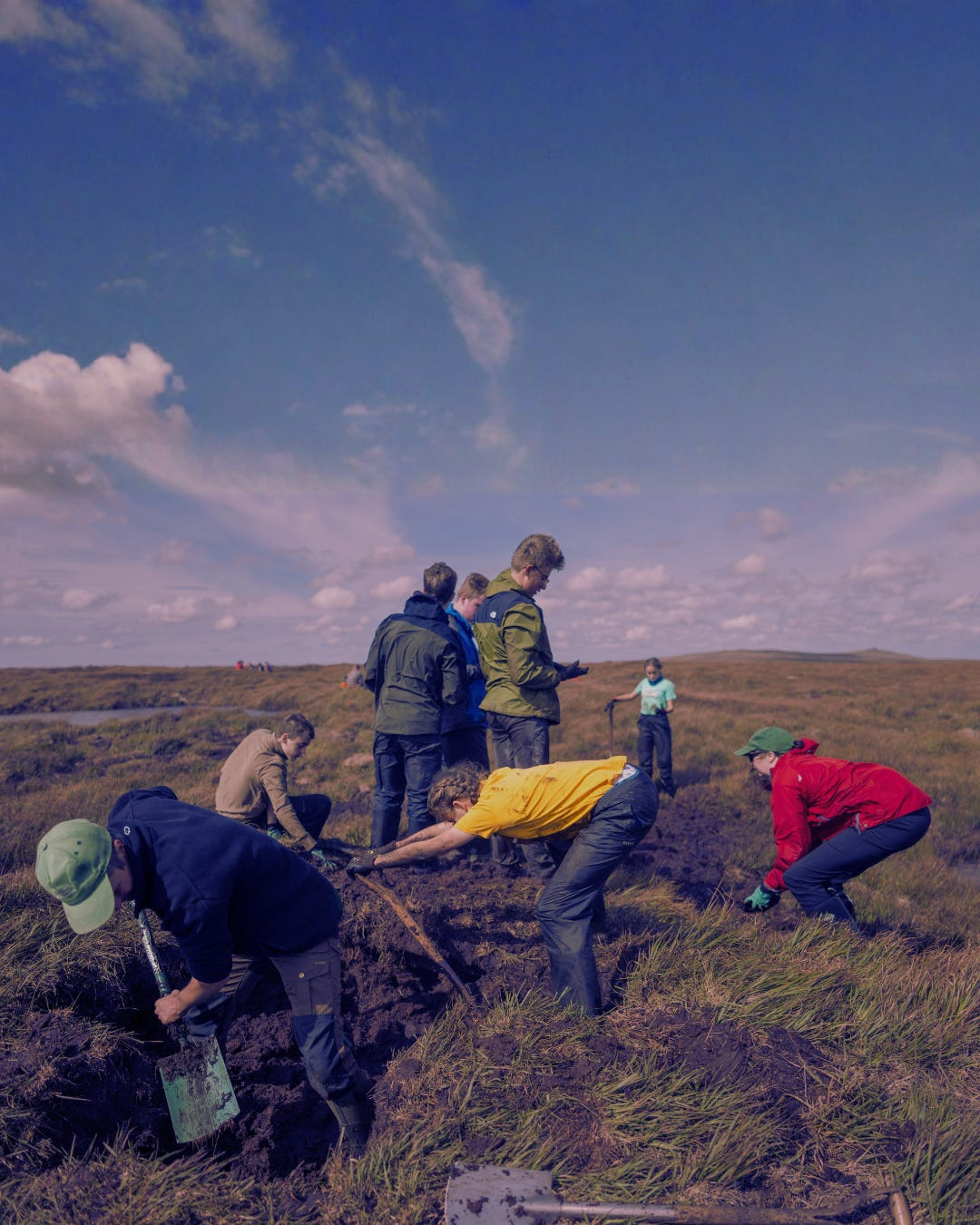
Over the course of the last five years together, we’ve learnt a lot more about peatlands. We have travelled across land and sea to visit them, listened to memories and built our own relationships with these landscapes. We’ve seen the importance of finding playful, metaphorical, collaborative, and imaginative ways of relating with peatlands and sharing their peculiar values. In return, the peatlands have guided us through explorations of grief, deep time, intergenerational thinking, migration, extraction, culture and more.
.png)
Since starting RE-PEAT, what is one of your favourite or most surprising things you’ve learned about peatlands?
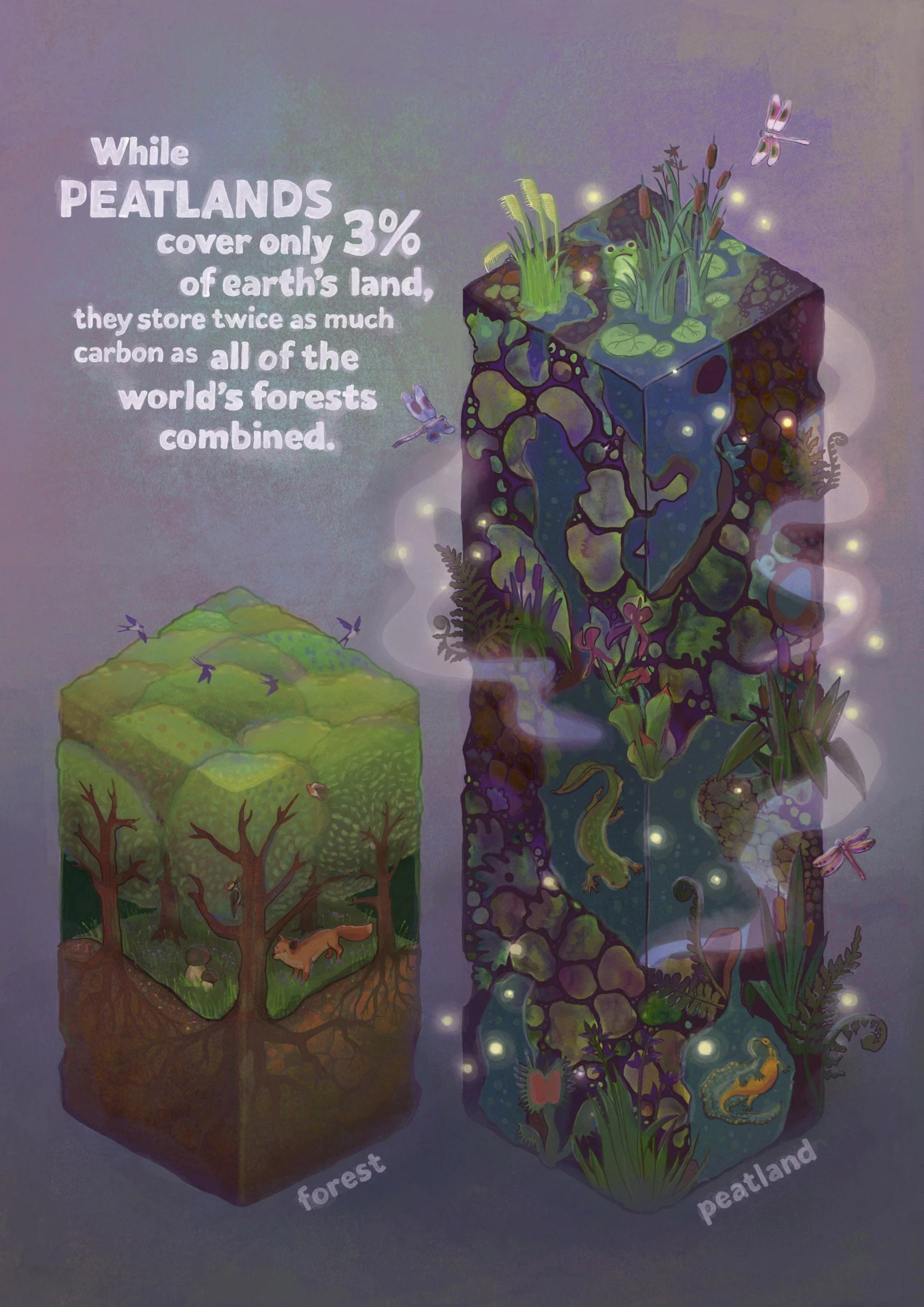
People often think about peatlands as wet places, but when they are dry they become places that attract fire. Zombie fires can smolder underground for weeks, months and in some cases years… waiting in the shadows for the right moment to emerge into the light and reignite the world above. The idea of zombie fires is totally ominous, but also strangely magical in the way that they escape our view and our control. This is why peatlands, when kept wet and healthy, are such important mitigators of fire and drought. With their absorbent properties, they can also help prevent flooding. Peatlands are vital, intelligent regulators of landscapes, they are ecosystems we urgently need to care for and protect.
Wetlands and peatlands are often overlooked in climate discussions. Why do you think they remain so underrepresented, despite their huge ecological importance?
Wetlands and peatlands are often overlooked in climate discussions because of how they have been framed culturally and politically. They are frequently portrayed as wastelands, as “scary” or “empty” places. As landscapes to be drained rather than valued, making their ecological richness easy to ignore. Their degradation is also a form of slow violence: like the frog in hot water metaphor, the impacts unfold gradually and go unnoticed until it’s too late. For example in the Netherlands, soil subsidence from drained peatlands happens slowly, yet over time the land sinks by meters. Restoring peatlands is also slow. It requires landscape-wide agreement and collaboration between many actors, which is far harder to organise than restoration efforts focused on a single plot of land, such as forests.
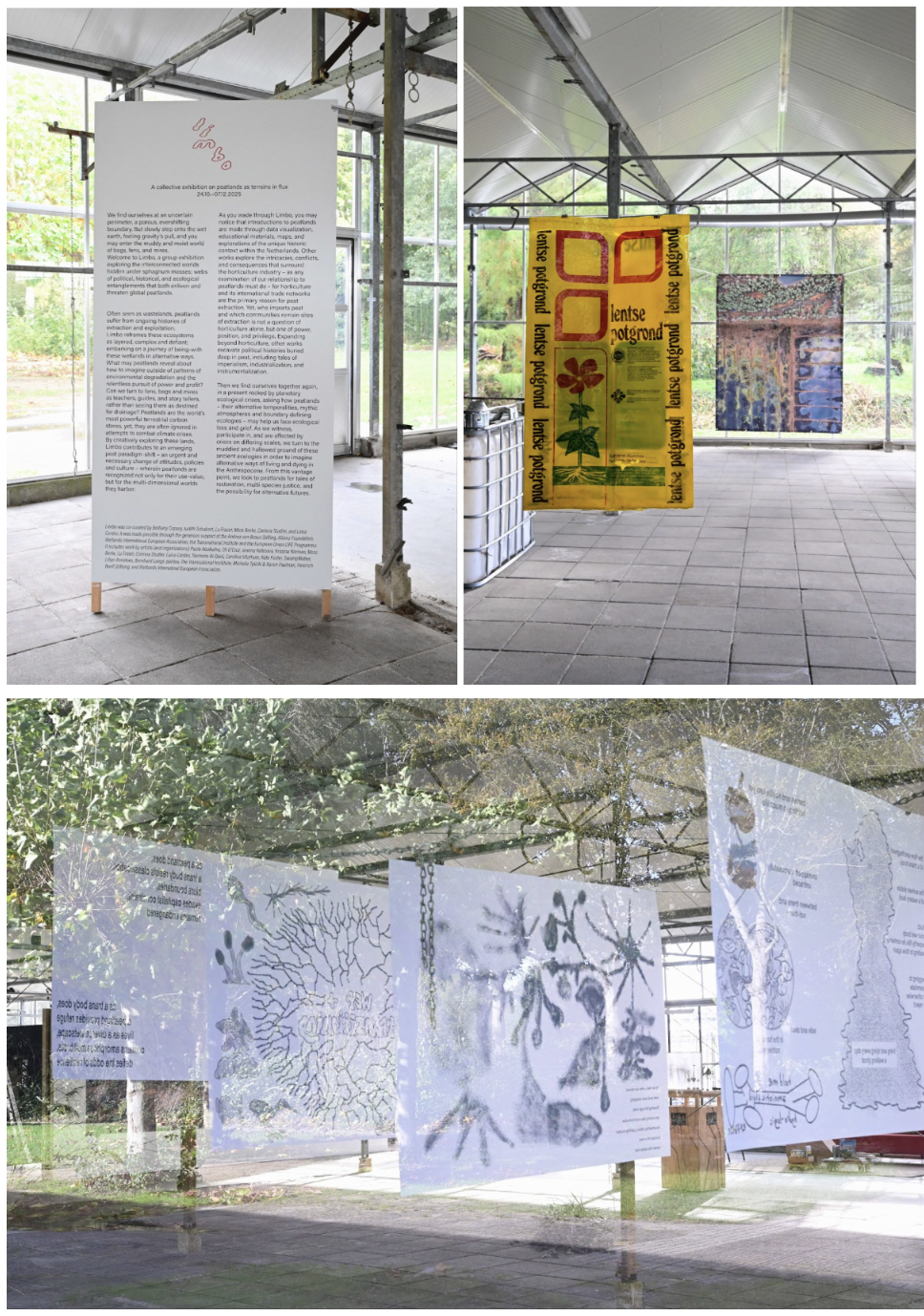
We delivered one of the largest peatland exhibitions to date, Limbo, created in collaboration with De Proef, a former horticultural school in the peat-rich province of Drenthe in the Netherlands. Inspired by the region’s long history of peat extraction, the exhibition brought together over 25 artists from around Europe, working across sound, data, video, and cartography to present peatlands as culturally complex landscapes rather than mere carbon stores. Alongside the exhibition, we hosted side-programming including lino-printing, artist talks, and a paludi dinner, pairing historical context with clear calls to action and significantly expanding the cultural and political visibility of peatland justice in the Netherlands.
The crowdfund supported the exhibition on a limited budget, ensuring fair artist compensation and enabling an interactive public programme, documentation, and a booklet that extends the work beyond the exhibition itself. Through over 200 pledges we reached just over €10,000! We are deeply grateful for the global network of supporters who made this possible.
Images from the Limbo exhibition taken by Caroline Vitzhum
We’ve been working on a new way to bring wetlands into everyday wardrobes. Meet Wear the Wetland, our first customisable collection for companies, universities and other organisations. Three hero gilets - the Otter, Heron and Mallard, filled with BioPuff®, our plant-based insulation made from bulrushes grown on regenerated British and European wetlands. Each piece is named for the wildlife that returns when a wetland does. Choose one style or mix all three, each starts at 100 pieces.
Each can be personalised with your organisation’s embroidered logo. But the story of what you’re wearing starts long before the embroidery, out in the wetland where its insulation grows.
Clothing with a connection to the land
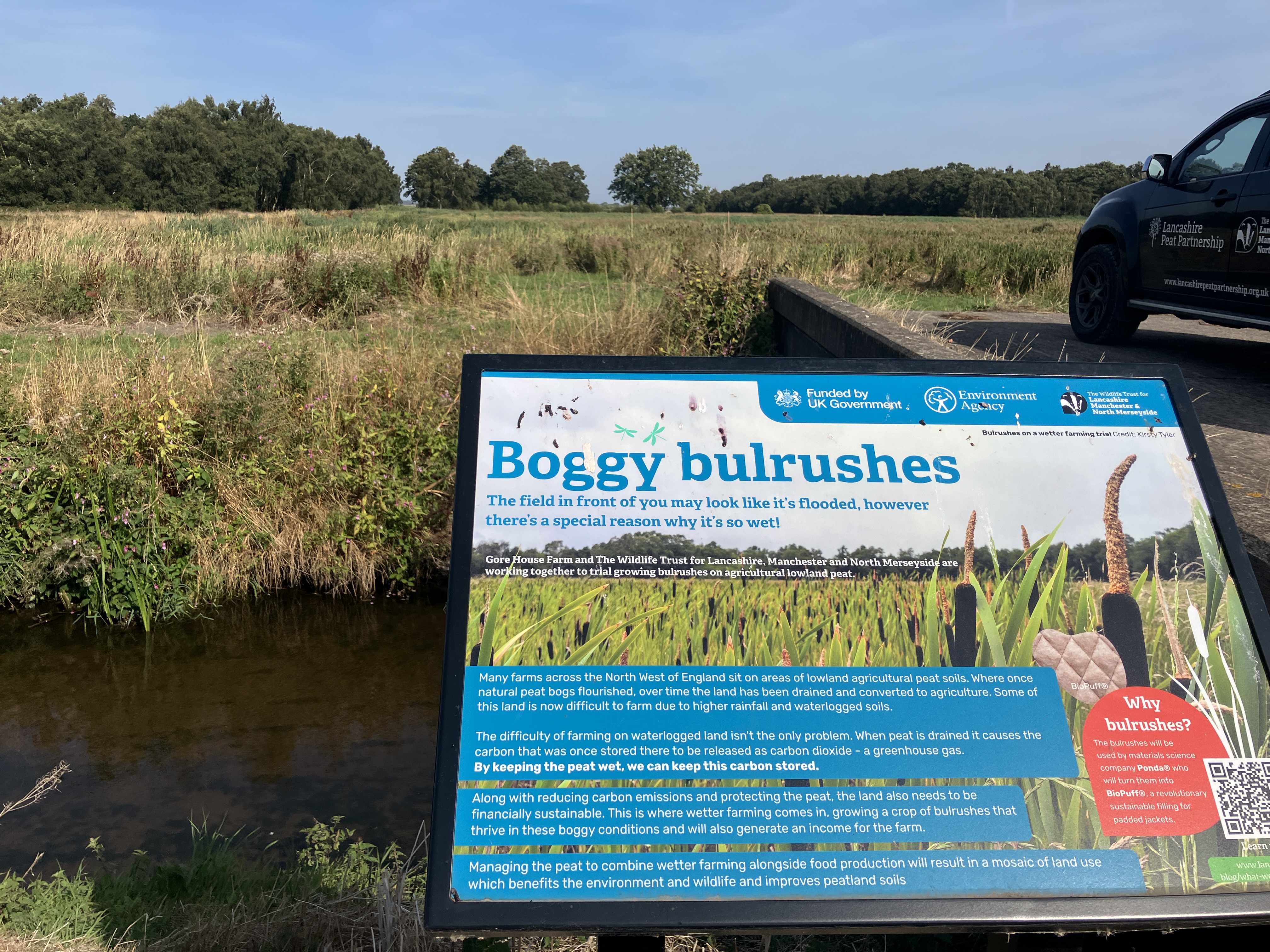
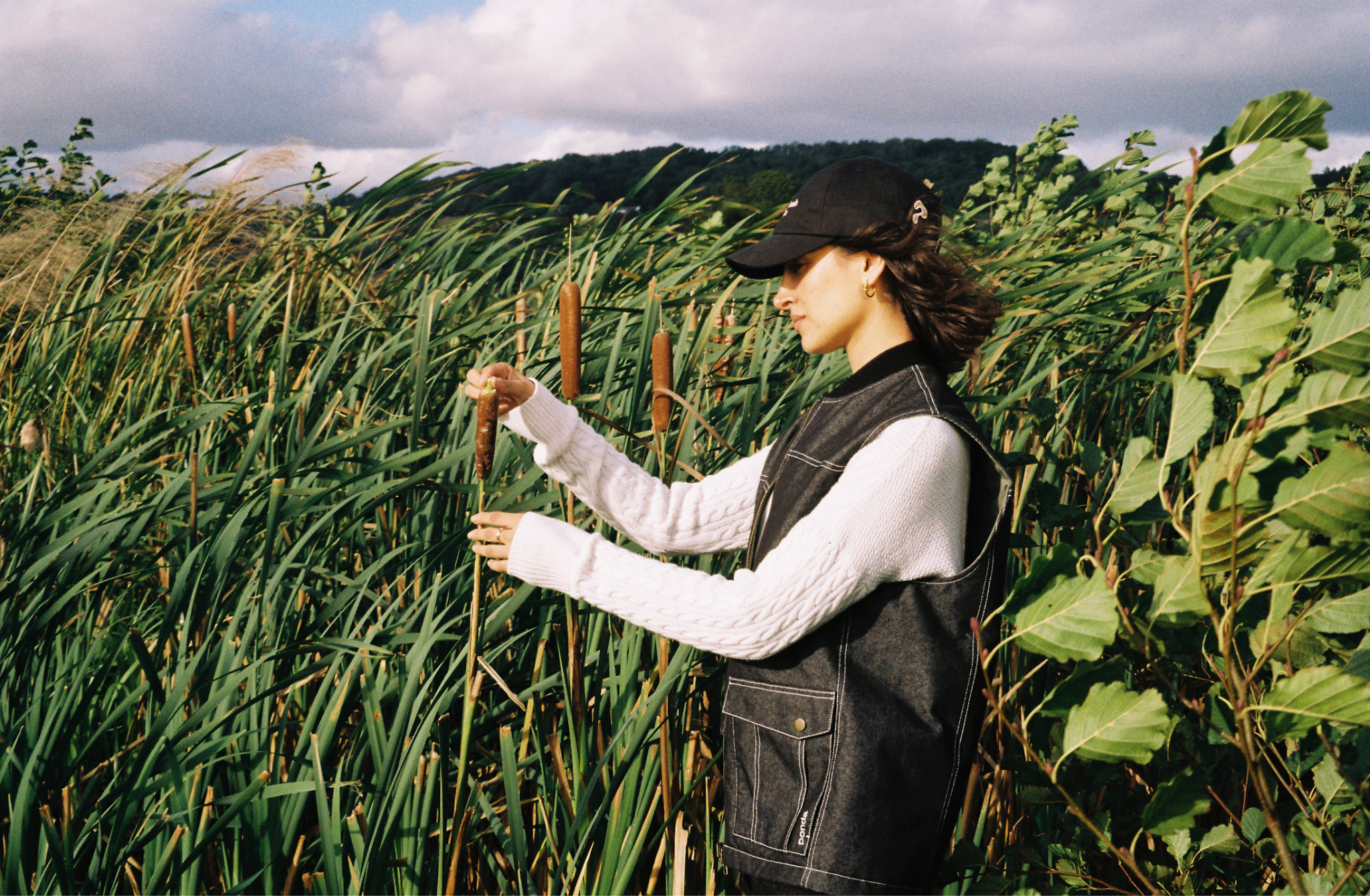
Choosing clothing for your team is also a choice about the materials and supply chains you support. With Wear the Wetland, every order creates demand for wetland-grown bulrushes. These plants thrive on rewetted land and can be cultivated through paludiculture: farming with crops suited to wet conditions. This gives farmers a way to earn an income while keeping the land wet, supporting wildlife and protecting the carbon stored in peat soils.
It’s the connection at the heart of Ponda: making high-performance materials that give wetland restoration a commercial future. Wear the Wetland brings that idea into clothing your team can wear on the morning commute, at work or on a weekend walk. We’ve designed the Otter, Heron and Mallard with quality, versatility and longevity in mind.
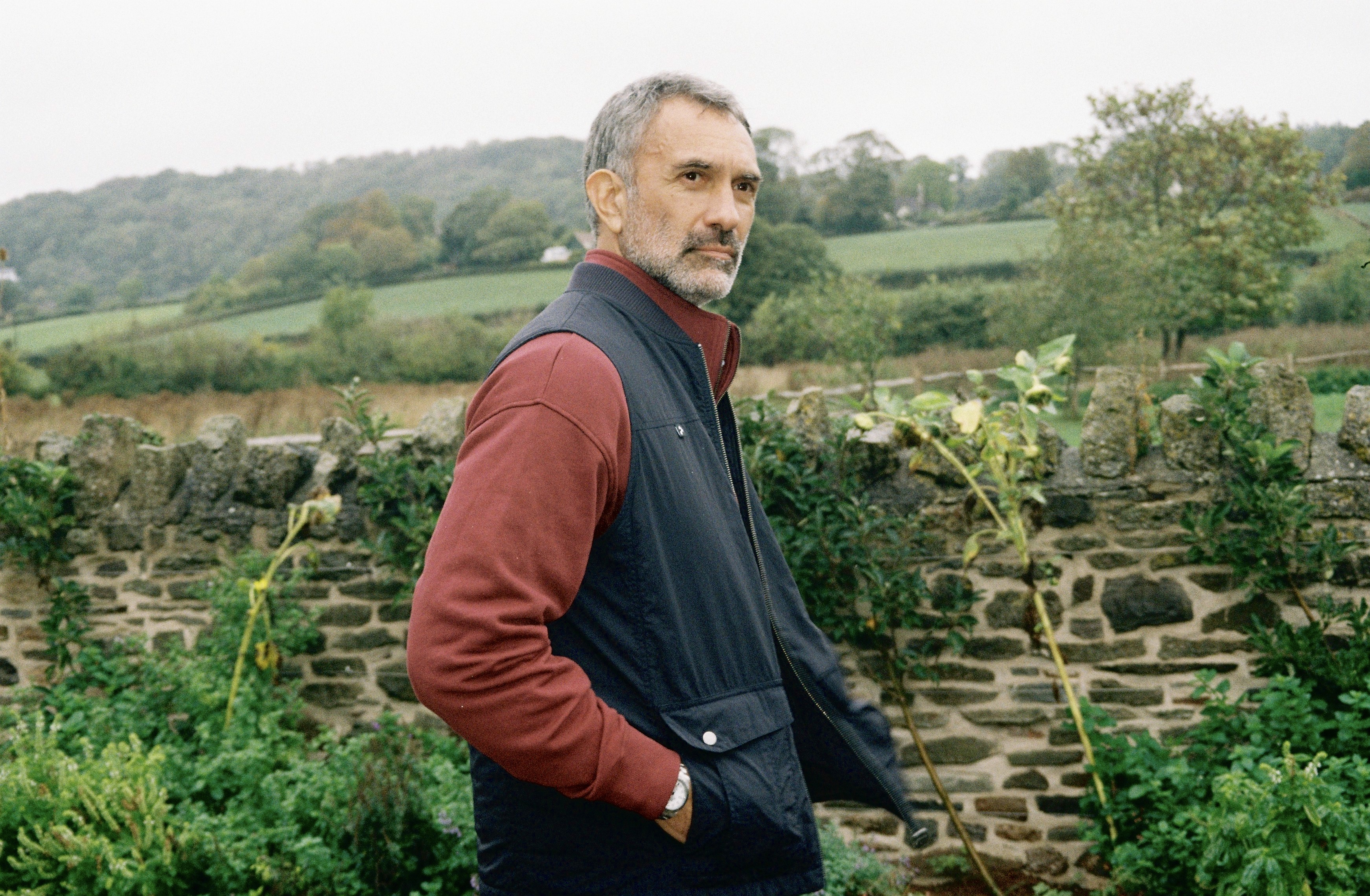
“Choosing Ponda for your branded merchandise helps restore wetlands, support wildlife and protect the carbon stored in their soils. Every order creates demand for bulrushes grown on rewetted land, helping farmers build a reliable income through wetland farming. We’re excited to give more people a way to wear the wetland.”
— Julian Ellis-Brown, Co-founder & CEO, Ponda
Made with the harvest
Our insulation starts with a crop, so the way we make our collections follows the seasonal rhythms of growing and harvesting bulrushes.
Organisations reserve their allocation in advance, and we make each collection in a single production batch. Committed orders help us plan how much to produce, reducing the need to hold speculative stock. By reserving a place, your organisation helps bring the collection into production and creates demand for the next harvest.
Our first commercial collaboration is particularly close to home. Imperial College London’s Mallard gilet and Fern cap bring our materials into the university’s branded range and student union shop. taking Ponda back to the institution where our founders first met and studied.
Now, we’re inviting more organisations to become part of that story. Batch 01 is open for reservations, with delivery in autumn 2027.
.png)